

Financial literacy cornerstone of entrepreneurship
02 Dec 2019
Financial literacy is the cornerstone of every business enterprise.
It is even more crucial for small, medium and micro enterprises that are struggling to raise capital for growth and expansion.
Many small and medium businesses in Botswana, especially those not funded by banks, struggle to survive due to insufficient funding and ignorance about available sources of finance in the market.
Save for commercial banks and development finance institutions such as Citizen Entrepreneurial Agency (CEDA), a lot of entrepreneurs are ignorant of stock exchange listing and raising capital in financial markets.
Some have limited information on stock market operations and how they can take advantage of it to grow their businesses.
This is a widespread phenomenon and requires information dissemination and capacity building among SMMEs on available opportunities at the Botswana Stock Exchange (BSE).
Twenty-six year old Mr Thato Rakosiana is not your typical graduate who moans about lack of job opportunities.
The business information systems graduate from Gaborone Universal College is confronting the youth unemployment scourge head-on and there is no stopping him.
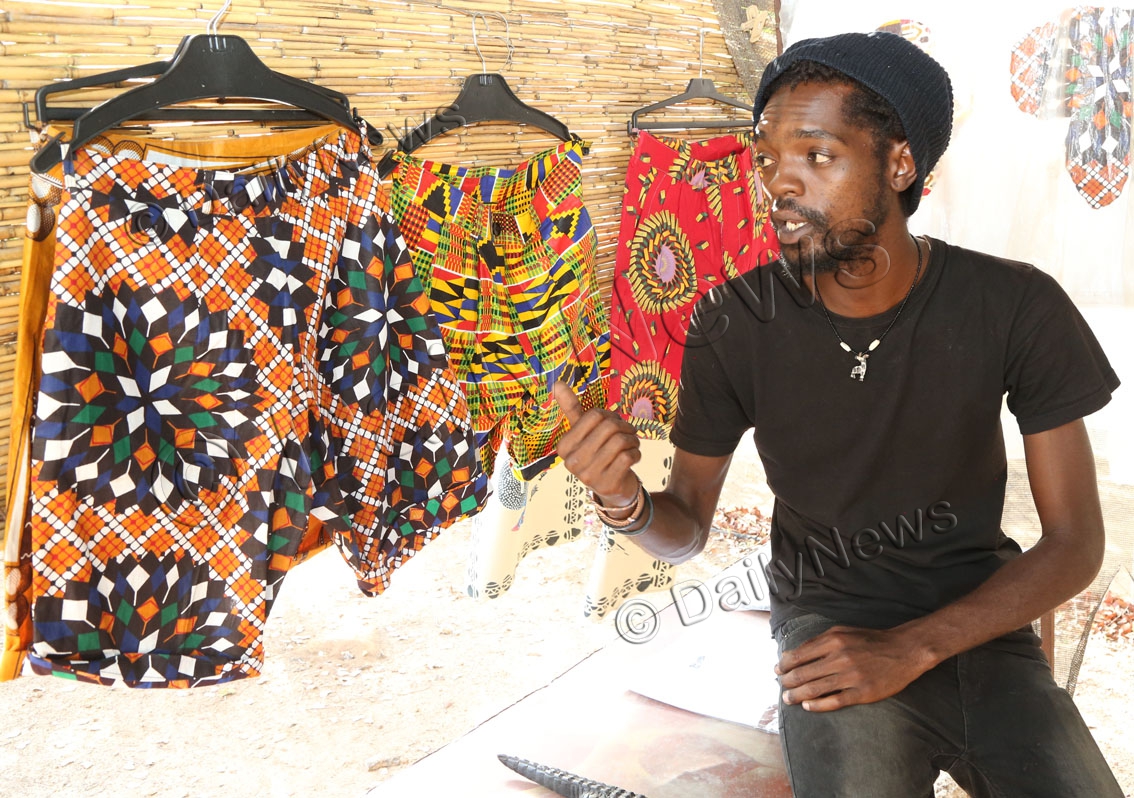
Mr Rakosiana plies his trade in the informal sector in the streets of Kasane where he has been selling crafts, earrings and bracelets made from recycled material.
An enterprising young man, who is at home with the queen’s language,Mr Rakosiana describes himself as an eternal optimist who wants to grow his business, operate from a secure place and employ others.
His life story is not a bed of roses.
After founding a music group, Farm Boys, he watched as his dream dissipated when he had to abandon what he considered to be his vocation to help look after his aged grandmother.
One thing stands in the way of realising his dream of expanding the business, lack of access to finance.
“I have heard about the stock exchange but I cannot tell you exactly what it is. I want to know more about the stock market,” he quips.
He is not the only entrepreneur who has little information about capital markets.
Ms Keresia Mupamanga, 35, is in the same boat.
She has never even heard about it.
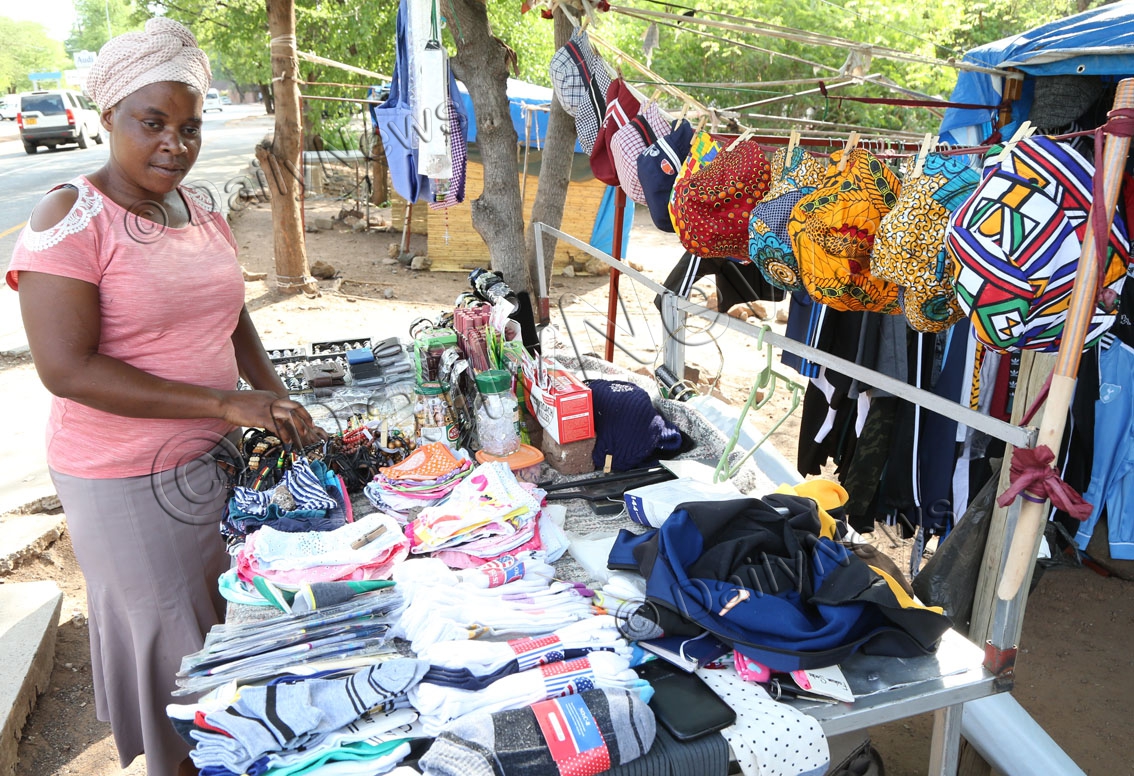
For the past three years, she has been running a roadside clothing business which is not doing too badly despite it being self-funded.
Ms Mupamanga also harbours ambitions of being a successful entrepreneur and dreams of owning a boutique.
“I’m still trying to raise money to go to Thailand to explore business that side. However, lack of finance is hindering me as the whole trip requires me to have close to P30 000 for transport, accommodation and sourcing products that I need to sell back home,” she said.
She has approached neither CEDA nor Gender Affairs for funding quipping; “Ke ntse ke tsaa gore tseo ke tsa bahumi (I’ve always thought they were the preserve of the rich)”.
The two were interviewed at the time the just-ended two-day African Securities Exchanges Association (ASEA) annual conference was taking place in Kasane.
Ms Mupamanga didn’t even know what was happening at Cresta Mowana Lodge but noticed many banners by the hotel entrance.
The dominant topic during the conference was the role of African capital markets in contributing towards economic development, especially with regard to assisting SMMEs access funding through listing on securities exchanges.
It became clear from the various presenters that SMMEs are still challenged when it comes to taking advantage of capital markets.
Small businesses, due to their unique character, are owner-driven and have little exposure to stock exchanges as well as knowledge about the benefits of listing.
According to the World Federation of Exchanges (WFE), a global industry association for exchanges and clearing houses, there is insufficient understanding outside the financial sector of what exchanges do and how they contribute to positive economic and societal outcomes.
A United Nations Conference on Trade and Development (UNCTAD) joint report, which looked at the role of stock exchanges and SMME development, indicates that although the businesses are important contributors to jobs and the growth of economies, they face significant constraints including lack of access to finance.
Given their importance to the economy, multilateral institutions and the private sector are focused on addressing SMMEs financing gap.
This, the report notes, requires that greater emphasis be put on the potential role of capital markets and stock exchanges in particular.
At the ASEA conference, the concern was compliance requirements and costs of traditional equity markets which were barriers to SMME listing on stock exchanges.
Delegates observed that the situation had prompted regulators and exchanges to develop regulatory regimes and platforms appropriate to SMMEs.
The result has been the development of junior exchanges or alternative investment markets which have grown significantly in response to demands to improve SMMEs access to finance.
They promote and support listing, not only by facilitating access to capital, but also by providing an environment that enables SMMEs to thrive.
In addition, they promote and support the needs of small businesses by eliminating or reducing listing fees, providing discounts on annual fees, relaxing entry requirements, giving business development assistance as well as offering access to additional capital and requiring less frequent reporting.
Mr Bame Pule, Africa Lighthouse chief executive officer (CEO), told the conference that more needed to be done to educate and expose SMMEs to the presence of equity funding in capital markets.
SMMEs, he added, needed venture partners to help them grow and prepare for listing on the stock markets.
African Development Bank Financial Sector Development director, Mr Stefan Nalletamby stressed the need for capital markets to respond to the needs of small businesses.
Where securities exchanges have SMME boards, it must be ensured that they served small businesses.
“We need an evolving regulatory environment to cater for SMMEs which want to list on the stock exchanges,” he stated.
World Federation of Exchanges CEO, Ms Nandini Sukumar asserted that if SMMEs were to list in capital markets in large numbers, regulation should not be cumbersome explaining that different businesses needed different levels of regulation.
Most SMMEs which list on alternative investment markets or SMME boards are typically small, early stage businesses facing various risks common to such companies such as low liquidity, increased risk of an unproven business model and higher risk of experiencing cash flow problems.
Local Enterprise Authority (LEA) CEO, Dr Racious Moatshe said the organisation assisted and submitted 14 SMMEs for Tshipidi mentorship at BSE.
Even though small business people interviewed had little or no information on the stock market and its benefits, BSE launched Tshipidi in 2017 to cater for small, medium, and micro enterprises with relaxed listing requirements.
The Tshipidi board for SMMEs has a lower threshold for companies such as the minimum number of investors required.
Its establishment followed the realization that prohibitive equity listing costs, restrictive listing requirements, stringent compliance rules once listed, as well as SMMEs behavior of not wanting to cede control of their entities and lack of financial literacy accounted for low SMMEs listing on the stock market.
The Tshipidi board endeavors to address the challenge of access to capital faced by many SMMEs and caters for businesses unable to meet main board requirements by offering less cumbersome rules more suited for their stage of development while facilitating market efficiency, risk control and developing the capital market.
In an economy dominated by SMMEs such as Botswana, BSE saw the need to establish Tshipidi board in order to promote access and growth of capital markets through easing entry into the stock exchange.
The concept of SMME exchanges originated from difficulties faced by small businesses in gaining visibility and attracting sufficient trading volumes when listed along with other stocks on the main board of stock exchanges.
The world over, dedicated SMME trading platforms exist and the most well known of these include AIM (Alternative Investment Market) in the UK, TSX Ventures of Canada, Hong Kong’s Growth Enterprise Market (GEM) and Catalyst in Singapore. Ends
Source : BOPA
Author : Puso Kedidimetse
Location : Kasane
Event : Interview
Date : 02 Dec 2019
Related News
29 Jul 2026
29 Jul 2026
Modisaotsile on rise to the top
28 Jul 2026
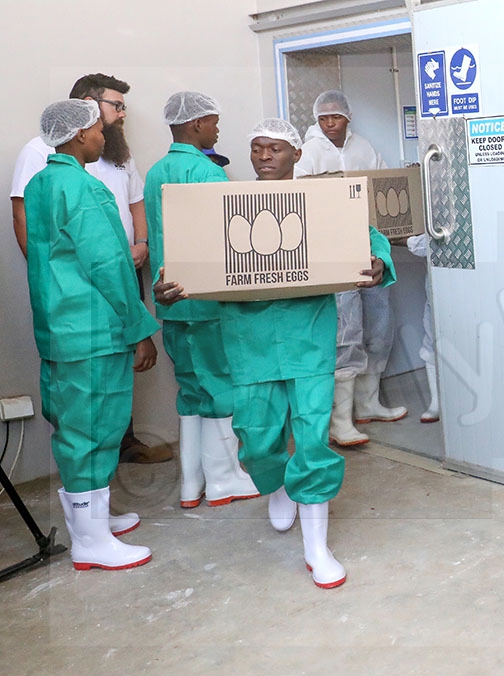
Ross Breeders pioneers Botswana poultry exports

28 Jul 2026
Value chain key to industrial growth - Ntsima

28 Jul 2026
Africa SME body honours Boko
28 Jul 2026