

Botswana milk import high
23 Sep 2019
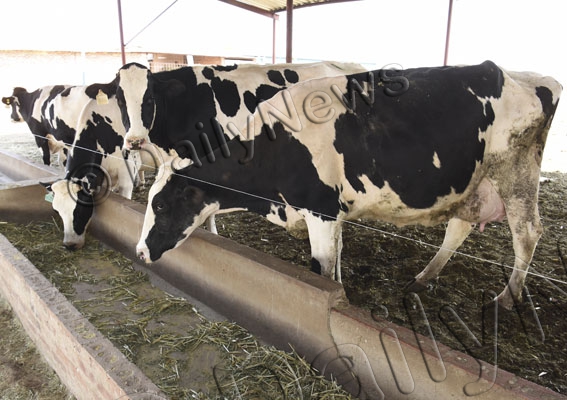
Botswana continues to import a significant amount of milk due to low production in the local dairy sub-sector.
An official from the Ministry of Agricultural Development and Food Security, Mr Letsomo Mariri, said this during a recent forum organised by Botswana Investment and Trade Centre (BITC).
He said the country’s annual milk demand was around 65 million litres.
Mr Mariri said the local supply was around nine litres per annum, which represented a significant shortfall of around 85 per cent.
“We produce about 15 per cent of our local demand. The rest is imported from outside, mainly from South Africa,” he said.
He said the low production was caused by a variety of factors, including the fact that the country had a dairy herd of only 4 000 cows producing a daily average of 16 litres of milk.
“If you look at the general trends, the dairy herd has declined over the years and that had an effect on overall production in the sub-sector,” Mr Mariri said.
He said the dairy sub-sector also faced challenges of repeated droughts and outbreak of cattle diseases such as foot and mouth. He further said another challenge was inadequate and expensive feeds, as well as lack of infrastructure.
To address the low performance of the dairy sub-sector, Mr Mariri explained that government was working on a dairy strategy containing eight pillars.
The pillars, he said, would focus on developing the dairy value chain, developing strategic dairy farms, fodder production, support infrastructure, and facilitation of market access.
“Another intervention is to increase the national herd of dairy cows and also increase their average daily milk production to 20 litres. If the cattle genes are good and the environment is good as well, then the daily milk production will go up,” he said.
BITC chief executive officer, Mr Keletsositse Olebile, pointed that the forum was aimed at discussing issues and challenges facing the dairy sub-sector in Botswana, and how to turn around the sub-sector to enable it to have more contribution to the economy.
Mr Olebile said government wanted the agriculture sector to be restored to being a pinnacle of the economy as it used to be in the 1960s when it contributed around 45 per cent of the Gross Domestic Product (GDP).
He said agriculture currently contributed about two per cent to the GDP, which called for concerted efforts to accelerate its growth. He said one way of increasing that growth would be by increasing output in the dairy sub-sector. Ends
Source : BOPA
Author : Jeremiah Sejabosigo
Location : Lobatse
Event : Interview
Date : 23 Sep 2019
Related News
29 Jul 2026
29 Jul 2026
Poultry industry attains self-sufficiency
28 Jul 2026
Ross Breeders pioneers Botswana poultry exports
28 Jul 2026
Value chain key to industrial growth - Ntsima
28 Jul 2026
Africa SME body honours Boko
28 Jul 2026