Botswana implements breast feeding initiative
05 Aug 2019
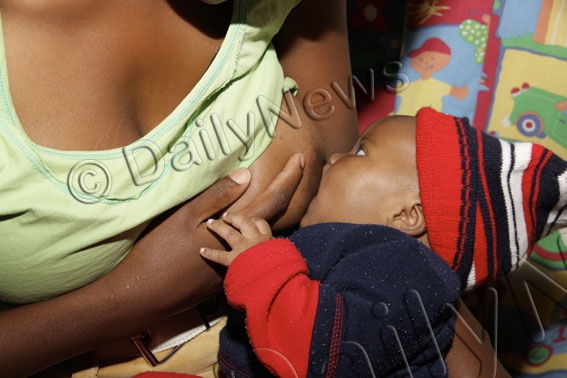
In an endeavor to create a healthcare environment that supports breastfeeding, Botswana has adopted and is implementing Baby Friendly Hospital Initiative (BFHI) at its facilities.
Responding to BOPA questionnaire, Public Relations Officer at Mahalapye District Hospital, Ms Pauline Bontle said BFHI was a global initiative by World Health Organisation (WHO) aimed at giving babies the best start to life.
She said in 2015, Mahalapye District Hospital was designated baby friendly and was among the facilities implementing BFHI, as the Ministry of Health and Wellness observed a general decline in breastfeeding and an increase in formula feeding.
She however, said the decline could not only attributed to increased use of breast milk substitutes, as some were doing so but was also due to health reasons while some mother just did it for personal reasons, compromising the health and growth of a baby.
Despite the challenges, she said efforts were made by health practitioners advocating for the rights of children.
As the world is observing breast feeding week (August 1 to August 7), Mahalapye will host commemorations of breast feeding week on August 7 to wrap up the activities of the campaign.
Ms Bontle said latest studies indicated that most infants born to women who were HIV positive were not at risk of being infected through breastfeeding. She said counseling had since become an integral part in encouraging and promoting breastfeeding among all pregnant women.
“Breastfeeding is recommended for all mothers as it has beneficial outcomes for the baby compared to formula feeding,” she stated.
She revealed that breastfeeding was not costly for mothers as the milk was readily available and it helped the mother to bond with the baby.
Ms Bontle added that health officials had observed that breastfeeding improves the immune system and therefore protects the baby against infections and that breastfed infants are likely not to be overweight hence reducing the risks of developing heart problems later in life.
She said there were negative perceptions that discourage mothers not to breastfeed their babies. For young mothers, she said there was a perception that breastfeeding would make them lose their youthfulness and make their breast lose firmness.
She observed that some mothers were also pressurised to abandon breastfeeding earlier than they had anticipated, citing that working mothers have a challenge of keeping breast milk in refrigerators to feed babies during work hours as it was considered unhygienic.
Despite the misconceptions, Ms Bontle said health practitioners were engaging the community and mothers through different forums advocating for breastfeeding. She said, even though there were no specified time when to stop breastfeeding, it was recommended that a child be breastfed for the first six months.
She observed that marketing of breast milk substitutes had contributed to the decline in breastfeeding globally and in response the World Health Assembly has agreed on an International Code to protect breast feeding.
As a member country, Ms Bontle said Botswana has adopted the recommendations of the code and therefore regulates marketing of foods for infants and young children,. ENDS
Source : BOPA
Author : Moshe Galeragwe
Location : MAHALAPYE
Event : breast feeding initiative
Date : 05 Aug 2019
Related News

15 Aug 2026
15 Aug 2026