No GMOs law in Botswana
20 Jun 2019
Even though Botswana is a signatory to the Cartagena Protocol, the country does not have a law on Genetically Modified Organism (GMOs).
A GMO is any organism whose genetic material has been altered using genetic engineering techniques.
The Cartagena Protocol on Biosafety to the Convention on Biological Diversity is an international agreement that aims to ensure the safe handling, transporting and use of Living Modified Organisms (LMOs) resulting from modern biotechnology that may have adverse effects on biological diversity, taking also into account risks to human health.
It was adopted in January 29, 2000, signed the same year and in 2002.
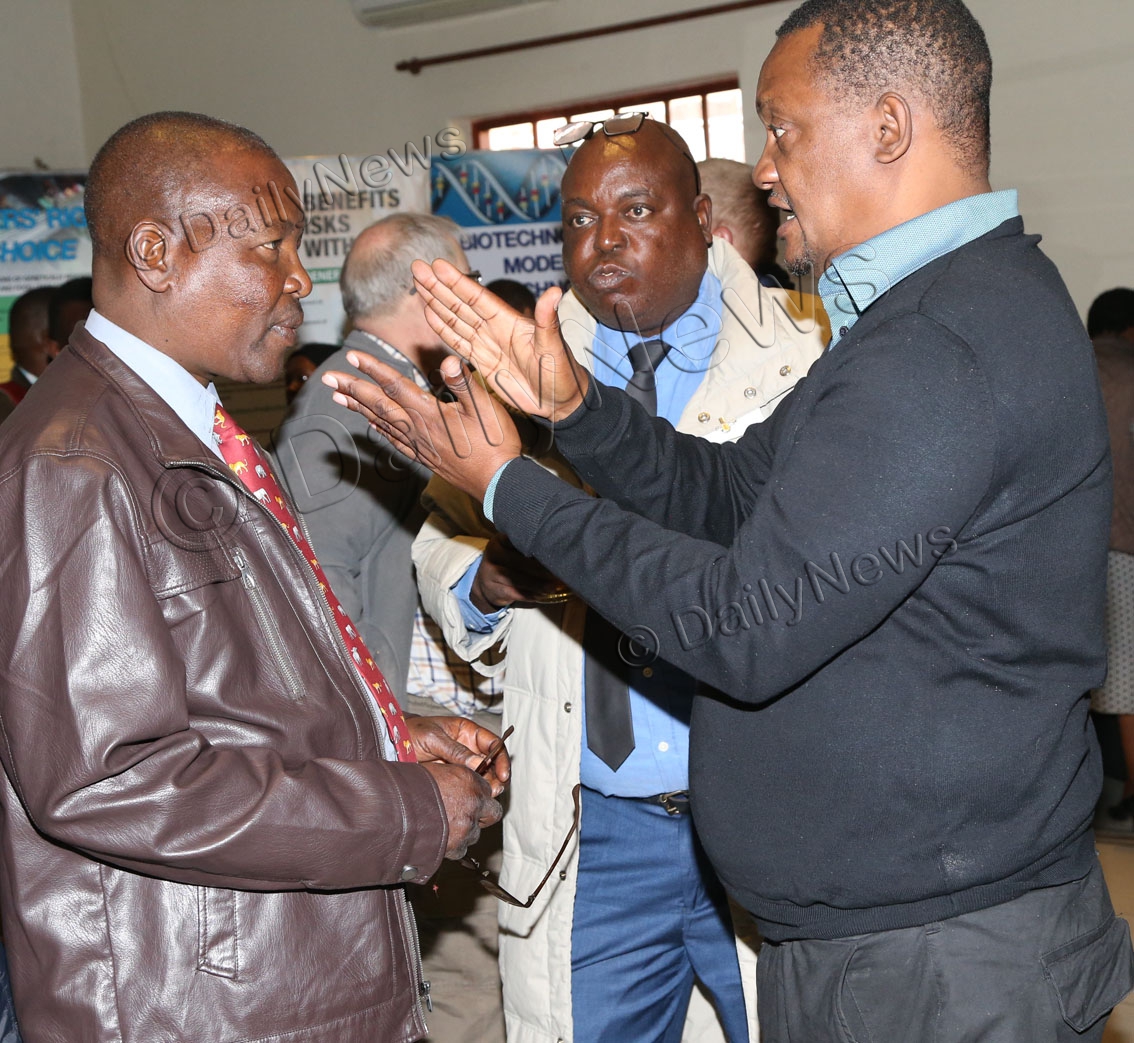
Speaking at a two-day workshop on the status of biosafety in Botswana, State Counsel at the Ministry of Agricultural Development and Food Security Mr Thamsanqa Silitshena said failure for Botswana to have such a law meant that the country would not be able to control genetically modified products entering the country, especially from South Africa.
He explained that a draft Bill had been submitted to Cabinet several times due to the misconception attached to the GMOs.
However, Mr Silitshena was optimistic that the draft Bill would be taken back to cabinet, thereafter he said it would be discussed in the winter Parliament sitting.
So far, he said that Botswana had made progress by establishing the National Biosafety Focal Point where all stakeholders could focus on objectives and provisions of the protocol.
For his part, director of Agricultural Research, Dr Pharoah Mosupi said the rapid advance in technology development such as genetic engineering called for efficient approaches and informed decision-making.
He added that the country’s decisions would be based on scientific information, policy and laws that would be accessed on the Biosafety Clearing House (BCH) website.
Dr Mosupi explained that BCH was a strategy based on agreed mechanisms and procedures for the flow of information on GMOs.
He said BCH was aimed at providing the country’s key stakeholders with an understanding of the common format of BCH records.
Furthermore, Dr Mosupi noted that it was also aimed at identifying operational linkages to gather information to be put on the BCH, which was in line with the National Biosafety Framework.
He said that Botswana hoped that the BCH project would contribute to achieving strategic objectives articulated in the strategic plan of 2011-2020 for the Cartagena Protocol on Biosafety.
The director explained that the workshop would also contribute to expediting the establishment of the Botswana National BCH website. In addition, Mr Mosupi said that the project would impact positively on several aspects of biodiversity conservation as well as sustainable agriculture and food safety. Ends
Source : BOPA
Author : Patience Molatlhegi
Location : Francistown
Event : Workshop
Date : 20 Jun 2019
Related News

15 Aug 2026
15 Aug 2026