

Beekeeping way to go - Ramatlapeng
20 Mar 2019
It had always been Mr Mooketsi Ramatlapeng’s dream to keep bees, but he never had the courage.
As a stroke of luck, there was a colony on his gate and he covered himself with plastics and managed to catch them in 2007, and that marked the beginning of his farming journey.
The Tlokweng-born man then went to the bee keeping department where he wanted to be taught the basics of farming bees. The department helped him by monitoring and harvesting the bees in 2008.
Furthermore, the department also enrolled him for an elementry course in bee keeping at the then Botswana College of Agriculture in 2009.
It was there that he realised that bee keeping could be commercialised, and was also taught about conservation. This was because they used to cut trees and burn tyres while catching bees. He also went for another course where he learnt how to cook wax, make candles and lip balm. In addition, Mr Ramatlapeng said some people could opt to buy honey from farmers before processing and selling it.
The business faces challenges in terms of equipment, but he has designed a machine that helps him harvest honey. However, when it comes to protective clothing, he has it.
Bees are important as the nutritional value of their products is high and can be used to supplement the diet of children, diabetic patients and those doing manual work.
His major highlight was when he was appointed to the Human Resource Development advisory council’s creative industries sector committee as a representative for bee farmers.
The passionate farmer pleaded with Batswana to go into bee keeping because it was marketable, adding that he has a tank to harvest rain water for his bees. Although Rams honey production is not yet registered, he is already reaping the benefits of the business. He expressed concern that although Batswana have kept bees and produced honey, they just do it for domestic use.
“If you harvest, you have to tell an agricultural demonstrator and they record because at the end of the year they send a report to the ministry detailing how much they produced locally,” he said. He said in the past bee farmers used to produce four tonnes out of the targeted 20 tonnes the government set.
Mr Ramatlapeng also lamented that there was no way they could ask government to regulate honey imports when they were not producing enough. The entrepreneur has nine boxes of bees which he keeps at home although the bee keeping department has advised that he should not keep more than five boxes at home. There are different types of bees being queen, workers and drone bees, and the drones lack stingers and they die immediately after mating.
The virgin queens attend one mating flight and store up to 100 million sperms within their oviducts and can produce up to 2 000 honey bee eggs per day. The queen lives for three to four years. In case the queen dies, the worker bees will feed the female larvae royal jelly, which is secreted by other bees so that it can develop into a large bodied, fertile queen.
In summer, the workers fan the air with their wings, keeping the queen and brood from over heating.
When it rains, bee farmers can harvest three to four times a year because of a lot of flowers and water.. ENDS
Source : BOPA
Author : Sylviah Disele
Location : Molepolole
Event : feature
Date : 20 Mar 2019
Related News
29 Jul 2026
29 Jul 2026
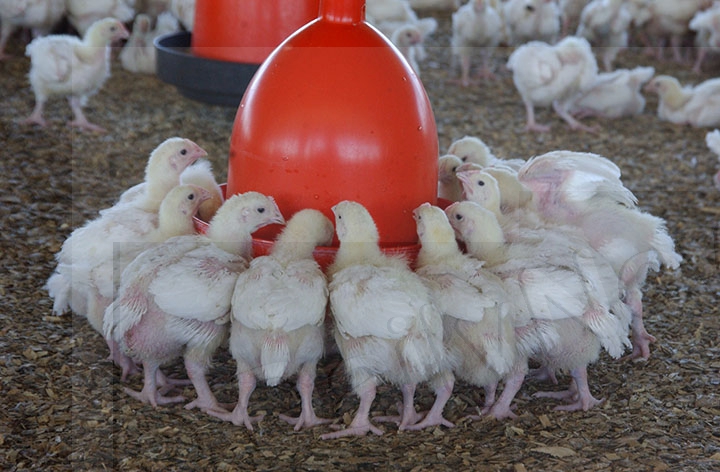
Poultry industry attains self-sufficiency
28 Jul 2026
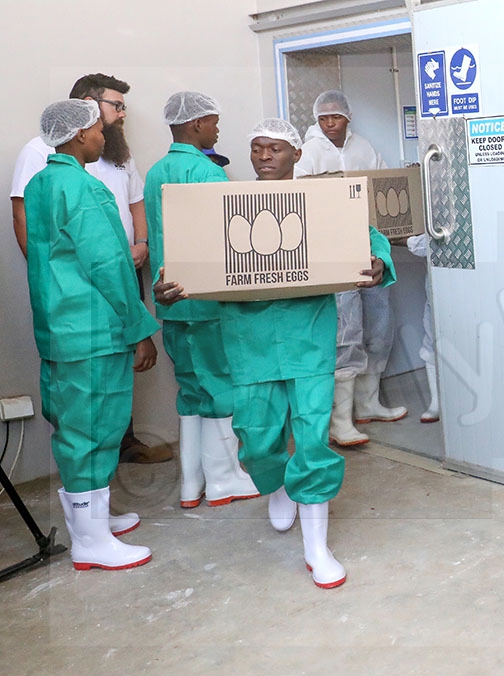
Ross Breeders pioneers Botswana poultry exports

28 Jul 2026
Value chain key to industrial growth - Ntsima

28 Jul 2026
Africa SME body honours Boko

28 Jul 2026