

Investment in human capital crucial
10 Mar 2019
Investment in human capital is central to development and contributes immensely to delivering substantial economic benefits in the long term.
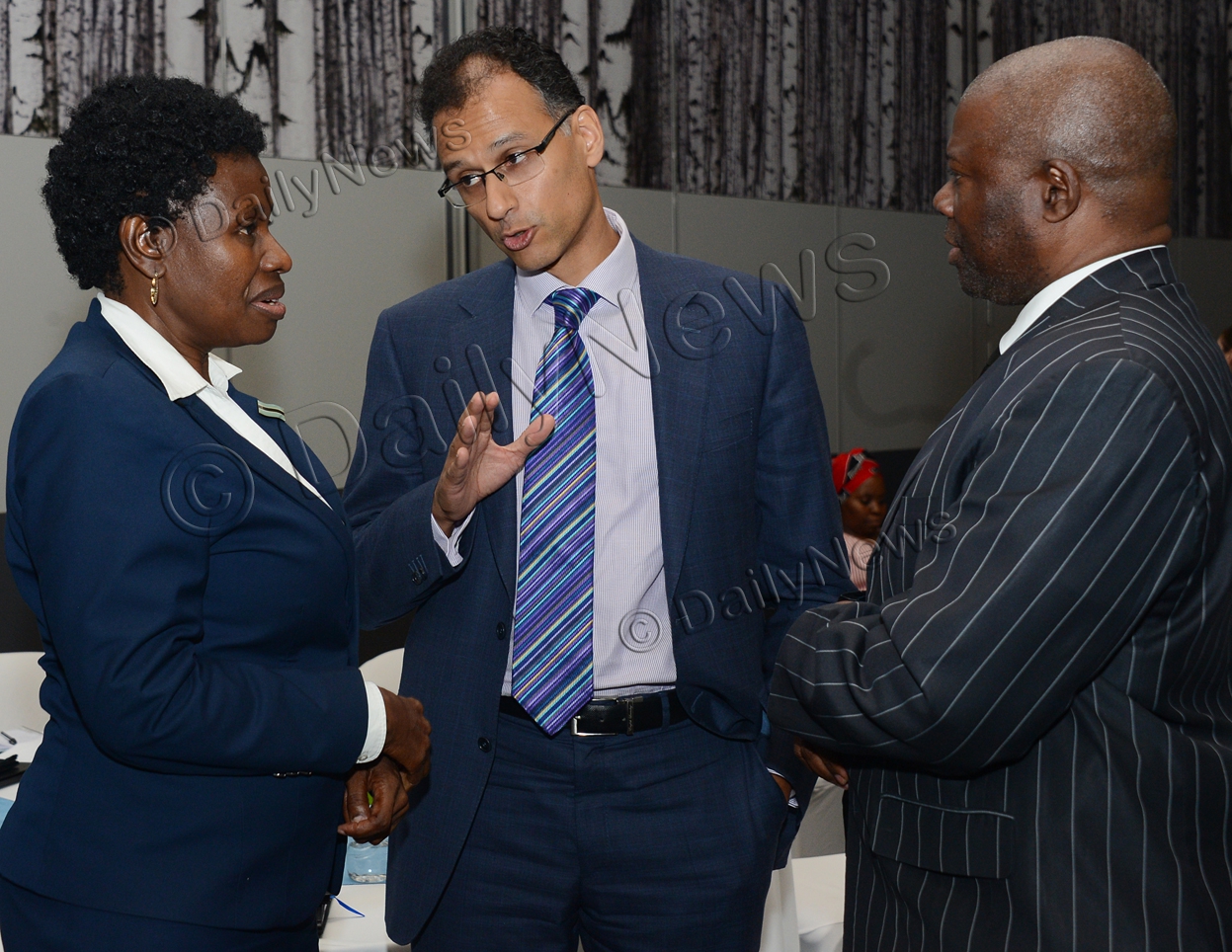
This was said by the development budget secretary in the Ministry of Finance and Economic Development, Ms Grace Muzila when officially opening the World Bank Human Capital Index (HCI) workshop in Gaborone recently.
Ms Muzila said following the launch of the Human Capital Project, which is a project of advocacy, measurement and analytical work aimed at raising awareness and increasing demand for interventions to build human capital, Botswana continued to strengthen human capital to bolster its economic competitiveness and attract Foreign Direct Investment (FDI).
Ms Muzila pointed out that Botswana’s score in the inaugural HCI was 0.42, suggesting that a Motswana child born today would only be 42 per cent as productive as one that would have received full health and education services during their lifetime.
She said while Botswana was commended for several decades of significant spending in the human capital development sectors of health and education, as well as other sectors important for human development such as social safety net transfers, water and sanitation, agriculture, among others, the Human Capital Index showed that the expenditure was yet to generate sustained improvements in child health, nutrition and learning outcomes, with evidence of declining progress in some areas.
Ms Muzila stated that there was need for a whole government approach, which embraced that productivity was not about the Botswana level of spending, but the value harnessed out of the investment put in.
She pointed out that trends indicated that over the past five years government expenditure on education, health and social safety nets had been among the highest priorities in the national budget.
However, she lamented that the national productivity rankings were still low.
She said it was crucial to dialogue extensively with key stakeholders on the issue of human capital in order to create a common understanding of what the concept entailed.
Ms Muzila highlighted that it was the first time that Botswana was measuring productivity in that way, saying the idea was for conversations to stimulate a reform agenda to spearhead efficiency in processes, governance as well as monitoring and evaluation.
“This is because, going forward, strengthening human and physical assets is one of the pillars which the government and the WBG will drive to achieve the desired impact in economic growth,” she said, adding that it entailed putting emphasis on education, health and social protection.
Ms Muzila mentioned that government’s strategic thrust was centred on the broad national priorities identified in NDP 11, which she said were developing diversified sources of economic growth being; human capital development, social development, sustainable use of natural resources, good governance and strengthening of national security as well as monitoring and evaluation.
She said through implementation of the NDP 11, government aimed to coordinate investment in human capital development through analysis of the skills demand and supply in the labour market, in order to redirect training in the identified priority areas to reduce skills mismatch.
She pointed out that one of the key objectives would be facilitated by prioritising programmes that addressed the needs of the economy.
Ms Muzila stated that it was important to acknowledge that progress in all aspects of human capital development required government to accelerate substantial improvements in human capital and improving the quality of education, developing skill sets demanded by the labour market and increasing access to appropriate job training programmes, which she pointed out were necessary for reducing unemployment and poverty.
“That includes pursuing further the country’s much-needed economic diversification, sustainable growth, job creation, addressing health barriers to skills acquisition and labour market participation to ensure that all individuals have the capacity to contribute to productivity and were in a position to enjoy human development outcomes,” she said.
For his part, the Health, Nutrition and Population Global Practice economist for South Asia Mr Zelalem Debebe pointed out that Botswana’s HCI was low even compared to much poorer countries.
Nevertheless, he stated that Botswana’s progress in reducing child mortality was above average.
He said Botswana’s recent progress in the reduction of premature adult mortality at 6.3 per cent per year was the best in the world, and that the other impressive results included progress in maternal mortality and adolescent fertility reduction.
Meanwhile, the World Bank Group country representative to Botswana, Mr Xavier Furtado commended Botswana, noting that since independence, Botswana’s government had done a lot of things right.
“In some other countries, the World Bank spends considerable energy trying to persuade governments to spend more in education, health, and social protection,” he said.
Mr Furtado stated that Botswana had spent approximately seven to nine per cent of annual GDP in the education sector, adding that their estimates also suggested that four to five per cent of annual GDP was spent on social safety nets with similar levels of spending in health.
He however commended the impressive levels of spending for Botswana.
He pointed out that in spite of high spending, education and learning outcomes were not as they should be, adding that they were declining.
Mr Furtado however said it was not only important to improve the effectiveness and efficiency of spending, but key reforms were needed in how some sectors were governed and managed.
“Significant opportunities exist to make better use of public funds while having a greater impact on human capital development, employment, equality and poverty reduction” he stated. ENDS
Source : BOPA
Author : Lesedi Thatayamodimo
Location : GABORONE
Event : Workshop
Date : 10 Mar 2019
Related News
29 Jul 2026
29 Jul 2026
Poultry industry attains self-sufficiency
28 Jul 2026
Ross Breeders pioneers Botswana poultry exports
28 Jul 2026
Value chain key to industrial growth - Ntsima
28 Jul 2026
Africa SME body honours Boko
28 Jul 2026