

Panelists want Botswana to be innovative
06 Feb 2019
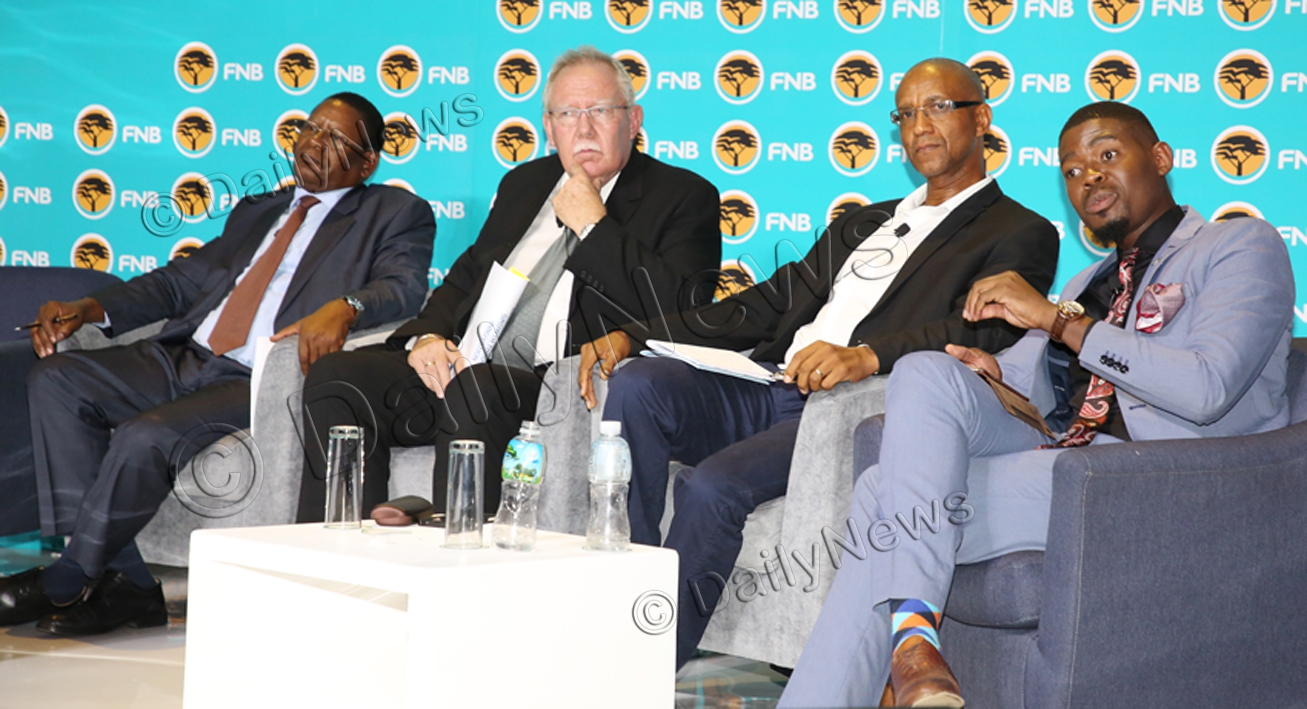
Contributors at the First National Bank of Botswana (FNBB) annual budget review seminar in Gaborone on Tuesday say Botswana needs to come up with innovative steps to grow its economic base and address social needs in order to graduate from an upper middle income to a high income economy by 2036.
Mr Oabona Kgengwenyane, Innolead group managing director stressed this point saying that while the country had laid down ambitious targets in Vision 2036, this needed to be backed by tangible innovative policies.
He said the country should work on practical steps to generate income and create jobs, as well as boost infrastructure development, while paying close attention to social justice, lamenting the fact that according to gini coefficient indices, Botswana records huge disparities between the rich and the poor.
Mr Kgengweyane said the country had to look beyond the gross domestic product (GDP) and gross national product (GNP) figures in calculating the well-being of its people, but should rather evaluate the social, economic and environmental aspects such as access to decent housing, clean water, education, healthcare and household income.
But he also cautioned that the happiness of a nation did not always correspond to wealth, and urged the political leadership to ensure that people lived in an open society that would promote wellness.
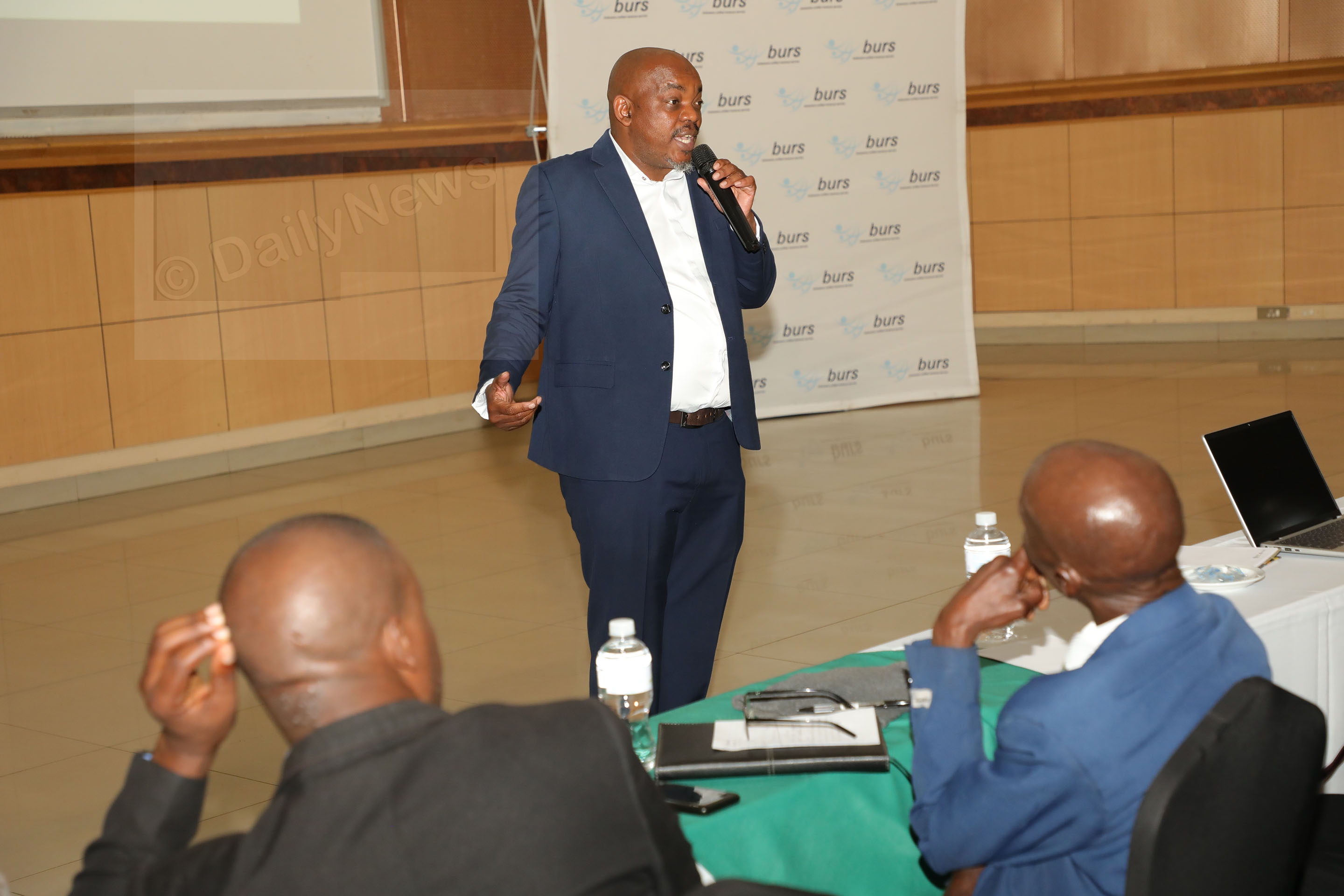
Acting Botswana Unified Revenue Services (BURS) commissioner general, Mr Segolo Lekau, said lack of personal commitment to paying tax by individuals and corporate bodies could be a hindrance to the country’s long term ambitions.
“Our country’s ambition to transform into a high income state will remain a mirage unless the taxpayer behavior changes and people embrace voluntary compliance.
Already, taxes contribute a significant amount of the national budget and with greater compliance, we could have more funds generated for national development,” Mr Lekau said.
He also explained that some of the reforms that had been made with regards to taxation in the country, including the Income Tax (Amendment) Act of 2018, which amended the territorial scope of International Financial Services Centre (IFSC) companies and the proposed use of the national identity card (Omang) number as an individual’s personal tax number.
Mr Lekau explained some of the tax incentives introduced for companies to invest including the double taxation avoidance agreements with other countries such as the 15 per cent corporate tax for companies involved in the Innovation Hub, as well as the five per cent corporate tax for the first five years and ten per cent thereafter for companies operating in the Selebi Phikwe Economic Diversification Unit (SPEDU) area.
For his part, FNBB chief executive officer (CEO), Mr Steven Bogatsu said one of the biggest challenges the country faced was youth unemployment, stressing the need for workable solutions to address this problem.
Mr Moatlhodi Sebabole, FNBB chief economist said they had forecast 2019 as a “Year of Two Halves,” in the global economy, projecting a good first half, a lot of challenges in the second half with lower global growth. He however said Botswana had room to manoeuvre given the country’s healthy debt to GDP ratio.
He noted the fact that several African states including Botswana, South Africa, Namibia, Nigeria and Mozambique are due to have elections this year, there could be pressure on social spending as governing parties endear themselves to the electorate. ENDS
Source : BOPA
Author : Pako Lebanna
Location : GABORONE
Event : FNBB annual budget review seminar
Date : 06 Feb 2019
Related News

30 Jul 2026
29 Jul 2026
Modisaotsile on rise to the top
29 Jul 2026
Poultry industry attains self-sufficiency
28 Jul 2026
Ross Breeders pioneers Botswana poultry exports
28 Jul 2026