

Boro women eke out living through mokoro trips

22 Aug 2018
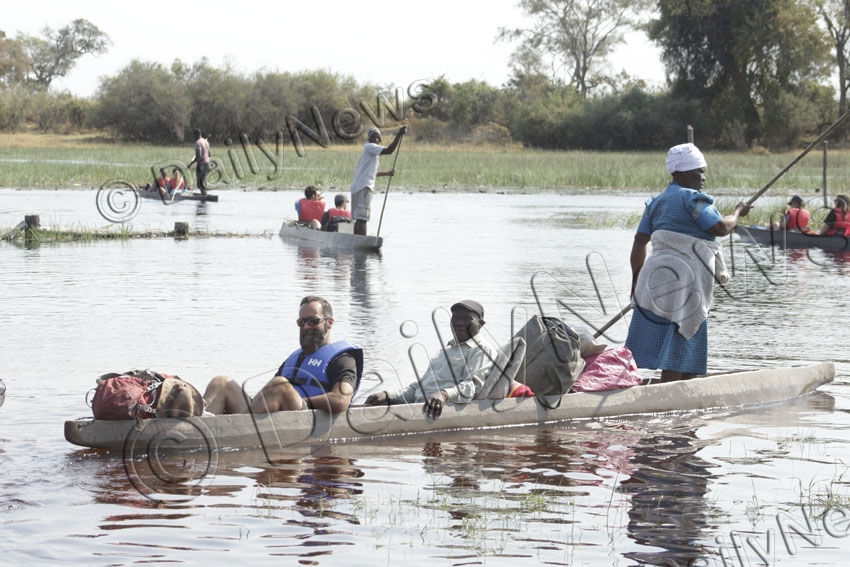
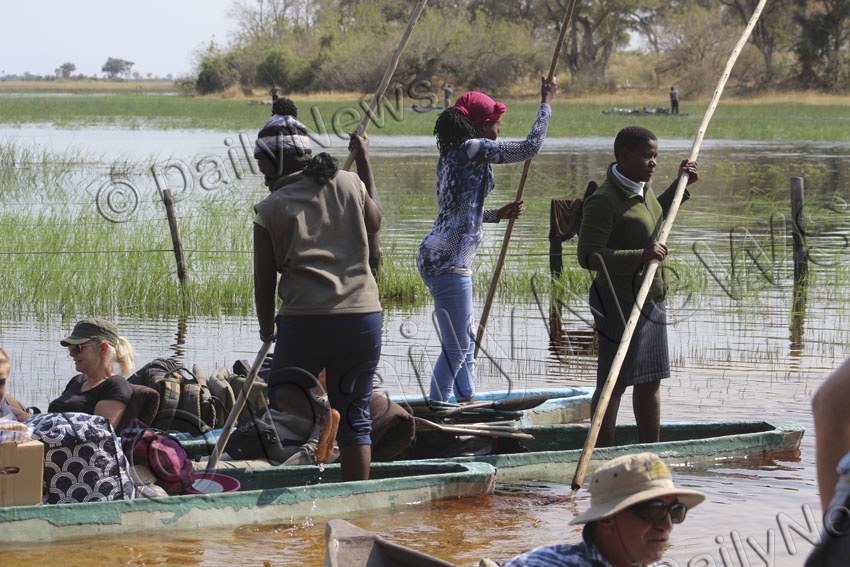
Ferrying tourists using the traditional mokoro (canoe) is a source of living for communities of Boro 2 settlement situated about 18 kilometres from Maun.
Boro 2 also known as DRC by its locals due to its lively poler station is ray of hope for its communities. Women in the area are not left behind as they cash from the many tourists that prefer guided tours using the traditional dugout canoes.
In an interview, one elderly woman who is a professional guide and a poler, Ms Bofelo Nageng said she had been in the canoe ferrying business for decades.
Ms Nageng said the business has sustained her and has ensured her children schooled, with some at local tertiary schools and one in the United Kingdom.
Another elderly woman, 50-year-old Ms Keeleditse Xhereku who could not recall when she started ferrying tourists also said she made a living through the trade.
Ms Xhereku said she had also managed to take her children to school through the proceeds from canoe ferrying business. “A bojanala bo se fele, ke gone ha re tshelang teng,” she said
Another interviewee, Ms Nonofo Mothogaathobogwe who has been ferrying tourists since 2008 said the job has been sustaining her.
However, Ms Mothogaathobogwe feels poling is a heavy task for them as women yet they only make inadequate profit.
She noted that the tourists paid P180 per day for polers and P200 per day for guides. Ms Mothogaathobogwe said they had aired their grievances through their Okavango Kopano Mokoro Trust regarding increment in rates but to no avail.
She also said they do not have canoes therefore work as freelancers which limits their returns.
However, a member of the Okavango Kopano Mokoro Trust Mr Otsisetswe Moruti in an interview said the canoe ferrying business is reserved for individual community members to make a living while the gate takings are for the community trusts.
Regarding reviewing of charges for polers and guides, Mr Moruti said the Trust has made efforts by discussing the matter with Safari companies who book for tourists.
He however said the Safari companies in question have turned down the proposal saying there has to be improvement of services for the charges to be increased.
Mr Moruti however said the tourists are impressed by the service and patience displayed by the Boro 2 people therefore failed to understand the contention by the Safari companies.
He noted that the traditional transportation business is key to their community since it is a livelihood activity for many and helped curb unemployment.
One of the tourists, Mr Meshack Ngulube from Zimbabwe said he preferred using the locals in canoe business because it was a way of local empowerment.
Mr Ngulube said people should practice ‘responsible tourism’ which benefits local communities compared to big Safari companies.
Local communities, he said directly fend for their family members therefore assist the country while big companies may spend the monies elsewhere.
Mr Ngulube who travels across Southern African countries including Botswana also said there was a need for a micro bank scheme which could help the Boro 2 locals with loans to buy their own canoes so as to eliminate costs in hiring. ENDS
Source : BOPA
Author : Kedirebofe Pelontle
Location : MAUN
Event : Interview
Date : 22 Aug 2018
Related News


30 Jul 2026
BMC eyes new export deals

29 Jul 2026
Modisaotsile on rise to the top
29 Jul 2026
Poultry industry attains self-sufficiency

28 Jul 2026
Ross Breeders pioneers Botswana poultry exports

28 Jul 2026