

Molalatu cluster garden thrives despite challenges
14 Jun 2018
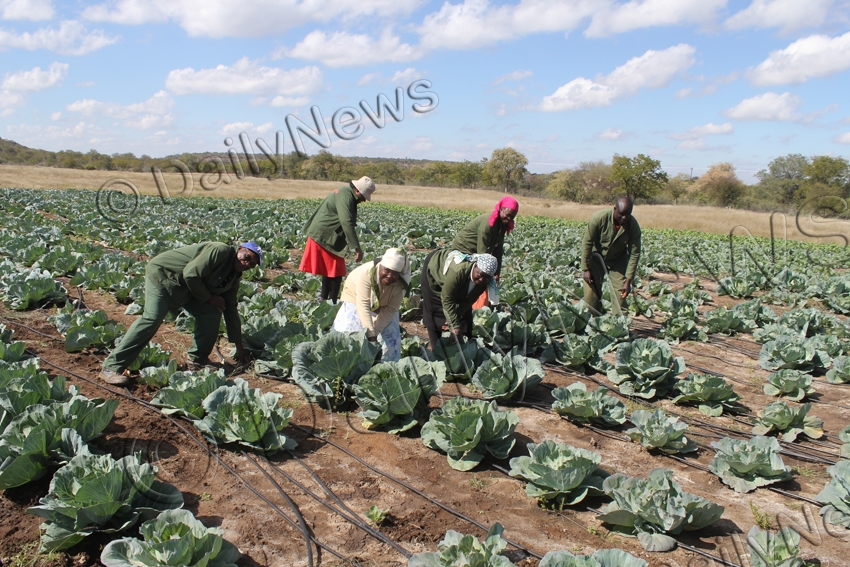
Molalatau Cluster Garden, a project funded through the Poverty Eradication Programme, continues to survive despite hardships pertinent to farming.
The nine members of the cluster, which is located at Mmakoloi, approximately eight kilometres from the village, are able to make ends meet through farming.
The 11 hectare land started operations in September 2017 as the brainchild of two men and seven women who were determined to fight poverty within their homes and ensure that the nation attained food security.
Initially, the garden had 10 members, two youths, an elderly man and seven women, but the other youth dropped out after realising that profits were not forthcoming during the initial stages.
The cluster garden intends to maximise profits as witnessed by the engagement on both sectors of agriculture being horticulture and agronomy.
When it comes to crops, the men and women of the garden are not selective, they have used the alluvial soils at Mmakoloi and adequate water from the nearby borehole to plant maize, spinach, butternuts, rape, tomatoes cabbage, onions, beetroots and melons, looking at the demands of the market.
Speaking in an interview, the members narrated that they acquired the land through the assistance of Village Development Committee and the village leadership. They noted that the land belonged to the community while government serviced it to enable them to carry out their farming activities.
The main mandate of the project is to eradicate poverty and feed the area, explains Mr Winnie Rakgetsana, who is the chairperson of the cluster.
Mr Rakgetsana said prior to starting the work on their farm, they were offered an induction to equip them with the necessary skills to run horticultural activities and the business part of the project.
He said the farm was still at the infancy stage and continued to face many hurdles such as low crop yield, poor profits and pests, which were common in farming.
The other problem was that when “we first started last year in this farm, we had a poor water supply system because there were no pipes to carry water from the borehole to the crops, which led to many plants dying due to heat stress,” he added.
He said many seedlings they were given to plant died with a few surviving thus affecting their crop yield.
Mr Rakgetsana explained that it was a setback on their business, but they managed to make profits from maize cobs, beetroot, spinach cultivated on a 1.5 hectare piece of land.
He said they managed to make P20 000 and saved P10 000 for operational issues such as buying seeds, while the other went to salaries.
He said water was no longer a challenge as connections had been completed, but said they were yet to prepare land to plant more crops to meet demand.
Mr Rakgetsana said the other challenge, which was a thorn to business, were pests as they negatively affected harvests, reiterating that since they were still new in the business, they lacked skills to fight them with reliable pesticides.
He also stated that stakeholders, especially some government institutions attached to the project, delayed with assistance whenever they requested them, but was hopeful that they would mitigate such challenges. The biggest challenge, he said, was the lack of a tractor to prepare the soil for planting, adding that they had to wait to get the ISPAAD tractor since they did not have funds to hire private ones leading to failure to meet deadlines for certain seasonal crops.
Further to that, he said they were not able to penetrate established markets due to lack of transport as they ended up relying on individual buyers and local schools who visited the farm to buy their produce, which he said, was not enough.
For her part, the cluster garden’s secretary, Ms Moladelo Majelantle also reiterated the need for transport to penetrate established markets, stating that they needed it to deliver their goods and ferry them to and from the village and farm.
Ms Majelantle said it was also difficult for them to walk eight kilometres to and fro every day but they continued to persevere.
However, she said to mitigate the challenge, the office of the district officer erected some tents for them although they were not habitable, especially during the rainy season.
Asked if the project was beneficial to their lives, the cluster members said though profits were not forthcoming, at least they were able to put food on the table.
“We hardly make ends meet to provide for our families,” said Mr Rakgetsana.
As a group of people working together, disputes are also bound to arise, but they say they were able to iron out any issues through constant communication to instill the spirit of team work.
Concerning the future prospects and goals of the farm, the chairperson said they wished to own farming implements such as a tractor that would enable them to work their land and a vehicle so that their produce reached the market on time. He further said if they owned a tractor, they would be able to plant most of the land hence higher yields.
Mr Rakgetsana expressed gratitude to the village kgosi, Mr Solomon Pharithi and the area councillor, Mr Nathaniel Moribame, who constantly supported and assisted them. ends
Source : BOPA
Author : Masa Oagile
Location : BOBONONG
Event :
Date : 14 Jun 2018
Related News


30 Jul 2026
BMC eyes new export deals
29 Jul 2026
Modisaotsile on rise to the top
29 Jul 2026
Poultry industry attains self-sufficiency
28 Jul 2026
Ross Breeders pioneers Botswana poultry exports

28 Jul 2026