

WIBA promotes participation in economy

07 May 2018
Women in Business Association (WIBA) has been encouraged to continue with its mandate of inspiring and promoting participation of women in the economy through advocacy, training, mentoring and linkages.
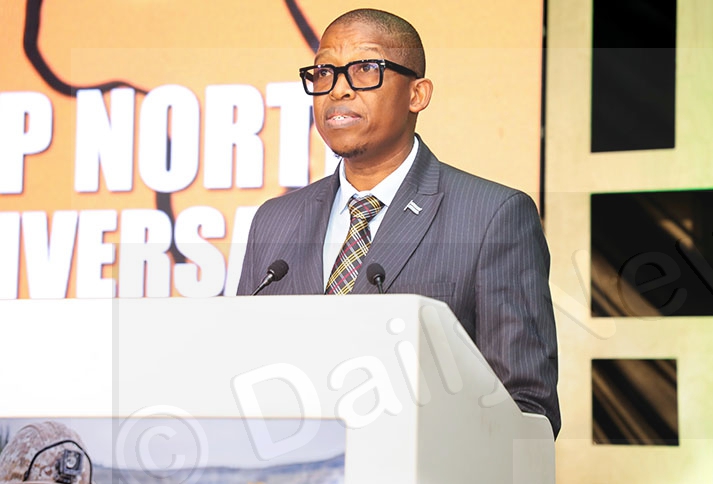
The call was made by a member of the executive council for Rural, Environment and Agricultural Development in the North West Province of South Africa, Ms Manketsi Tlhape at the WIBA second high tea expo in Maun on May 5.
She said if women participated in economic activity, owned and controlled productive assets, it would lead help to overcome poverty, reduce inequality and improve children’s nutrition, health and school attendance.
“Hard work, responsibility and strong work ethics,” she said, were the key values that needed to be embedded in women’s mentally which WIBA embraced and continued to uphold.
Ms Tlhape admitted that there were many women who struggled to be heard. She encouraged other women to create platforms to share their journey of how they found their voices and made an impact in their fields.
“The key difference between successful women and women that are not successful is the way they think and feel about themselves,” she said.
Ms Tlhape urged women to believe that, like their male counterparts, they could be entrepreneurs, scientists and presidents, saying being a woman does not make them any less capable.
“If you align your passion to your particular skills set and talents, by so doing you are more likely to get to your winning idea,” Ms Tlhape pointed out.
She noted that business was about making a profit. “Building a company and starting a business is not for the faint hearted, you need to create a compelling vision in order to define the road map to execution,” she said.
Ms Tlhape also encouraged women to network, meet the right people, learn, create opportunities of collaborations, identify a pipeline of talents and build a strong support system of mentors, sponsors and funders.
As the North West government, she said they were convinced that women entrepreneurs could drive economic growth, but only if they were enabled to realise their rights and if they worked in partnership with businesses, government and civil society to improve their opportunities and outcome in the global value chain.
Ms Tlhape also noted that there was social, cultural and family pressure on women which acted as the main issue to gender equality.
“Women have a lot of pressure from parents, religion, culture and society, as they are forced to be the main caregivers and caretakers of all family members,” she said
Such pressure in society and home, Ms Tlhape said, lowered the careers of women than men.
She further encouraged women to register their companies and attend workshops and meetings because that was where information was shared and new networks found. Ends
Source : BOPA
Author : Sefhako Sefhako
Location : MAUN
Event : tea expo
Date : 07 May 2018
Related News

30 Jul 2026
BMC eyes new export deals
29 Jul 2026
Modisaotsile on rise to the top
29 Jul 2026
Poultry industry attains self-sufficiency
28 Jul 2026
Ross Breeders pioneers Botswana poultry exports
28 Jul 2026