


Ngamiland organisations pin hope on report
02 Aug 2017
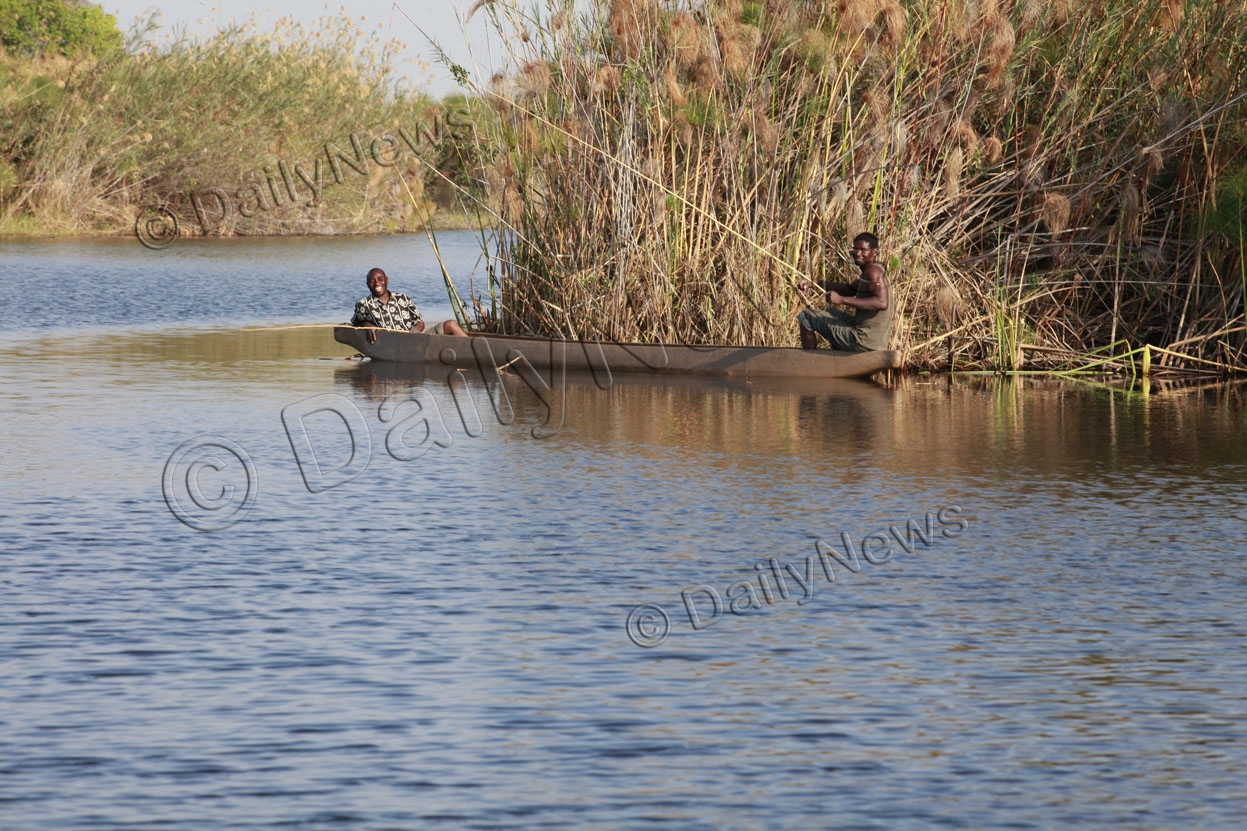
Civil based societies have pinned their hopes on the Okavango Delta mapping exercise report.
They said it would exploit available opportunities as far as environmental conservation was concerned.
The report identified, categorised and assessed the many civil society organisations and resources already in place in the region to determine the best way to serve the various needs in the delta. The report aims to protect and conserve the Okavango Delta going forward.
In an interview, the chairperson of Ngamiland Council of Non-Governmental Organisations (NCONGO), Mr Themba Bitsang said they were hopeful that the report would be an answer to the challenges facing Ngamiland communities.
He was optimistic that the communities’ living standards stand a chance of changing for the better if the report recommendations in relation to opportunities in the area were being exploited with the support of all relevant authorities.
He explained that the report reviewed relevant policies and acts with the aim of recommending the alignment of the said policies for effective sustainable economic development of the community without compromising conservation.
“Now we would approach the government knowledgeable because the report has indicated all the available opportunities. This report puts us in an informed position to better advocate with the government with the aim to improve the livelihoods of our people,” he added.
The report, he said, held keys to unlock Ngamiland prosperity if properly implemented by all stakeholders involved in rural development and tourism.
Mr Bitsang revealed that the civil society would start its engagement with the government on how to create employment opportunities and reduce poverty levels in the district.
He said key challenges which affected the daily lives of the community included eco-tourism, water and fisheries, arable and livestock farming and natural resource conservation.
Furthermore, he revealed that the manner in which some decisions were made by government was unilateral because there was no community input to advise the decisions.
He said they believed that as much as the government was doing to develop communities, it was in the best interest of NCONGO to have highly capacitated and educated community to make sustainable living out of the abundant natural resources surrounding them.
Mr Bitsang said they experienced some decisions which were not informed by research at the expense of the community, citing the transformation of the Community Based Natural Resource Management (CBNRM) programme.
The transformation, he said, left communities concessions being put under the land bank policy as such removing communities from the equation.
Another example he mentioned was the banning of the dry fish export despite the fact that the fish industry created economic opportunities and improve livelihoods in Lake Ngami and the country at large.
The chairperson said some of the decisions taken had the potential to chase investors away because the reasons advanced were baseless and not convincing.
He said he was hopeful that with the report in place, they would be able to re-instate the CBNRM and ensure communities benefitted as expected.
“We want to see communities having ownership on the resources within their vicinity and eventually eradicate poverty,” he added. ENDS
Source : BOPA
Author : Esther Mmolai
Location : MAUN
Event : Interview
Date : 02 Aug 2017
Related News

21 Aug 2026

20 Aug 2026
Botswana Donates FMD Vaccines To Lesotho
20 Aug 2026