


Ceasefire Brings Renewed Hope
09 Apr 2026
A fragile sense of calm has begun to return to parts of the Gulf region following weeks of heightened conflict involving Iran, Israel and the United States.
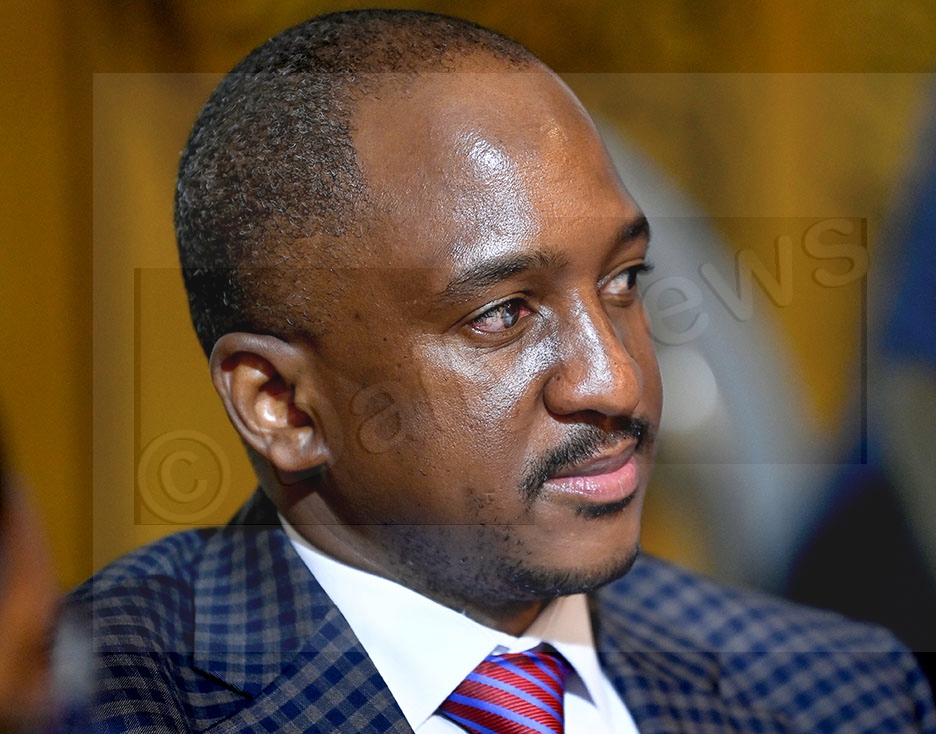
In an interview, Botswana’s Acting Ambassador to Kuwait, accredited to Qatar, the United Arab Emirates, Bahrain and Saudi Arabia, Mr Amangwe Madisakwana said the April 7 ceasefire announcement has brought renewed hope for diplomacy, though conditions remain tense and unpredictable.
Mr Madisakwana said the region had experienced intensified attacks over the past week, targeting energy infrastructure, military installations and key transport hubs, including airports in Kuwait.
While these developments raised alarm, he noted that the ceasefire has resulted in a noticeable, though cautious, de-escalation.
He said the situation has been unsettling but manageable for Batswana living and working across the Gulf.
“Only a small number, approximately 30 people, have returned home to Botswana since the conflict began.
Many have opted to remain in their host countries, monitoring developments while continuing with their professional and academic commitments,” he said.
More than 200 Batswana are estimated to be spread across Qatar, the United Arab Emirates, Kuwait and Bahrain, working in sectors such as education, hospitality and corporate industries.
Mr Madisakwana said restraint by Gulf states has been key in maintaining relative stability.
“Despite sustaining significant economic losses, particularly to infrastructure and aviation, countries such as Saudi Arabia, Kuwait, the UAE, Bahrain and Qatar have avoided retaliatory strikes.
This measured response has helped prevent broader regional escalation,” he said.
However, daily life remains disrupted. Residents, particularly in Bahrain and Kuwait, continue to report nights punctuated by explosions, interspersed with periods of calm.
Governments have urged people to stay indoors unless necessary, limiting movement and altering social routines.
Economic pressures are also mounting.
Disruptions to maritime trade have increased the cost of goods, while sectors such as hospitality and aviation have recorded reduced revenues.
Some workers have experienced salary cuts or reduced working hours.
In Kuwait, schools have shifted to online learning, while workplaces have adopted hybrid systems, operating at about 30 per cent physical capacity with rotating staff.
Travel remains a major challenge. Since late February, flights in and out of Kuwait and Bahrain have largely been suspended.
Travellers are often forced to use road transport to Saudi Arabia to access international flights, an option described as costly and inconvenient. Limited flight operations continue in Qatar, Saudi Arabia and the UAE.
Mr Madisakwana said Gulf governments have prioritised security, investing heavily in air defence systems and maintaining high alert levels, with emergency protocols such as public sirens in place.
Despite the uncertainty, he expressed cautious optimism, noting that Iran’s call for a permanent end to hostilities could mark a turning point if supported by sustained diplomatic efforts.
He encouraged Batswana in the region to remain calm and focused.
“This is a passing phase,” he said, expressing confidence that normalcy will eventually return.
He also reassured families in Botswana that Gulf states continue to prioritise safety, adding that their restraint has been critical in preventing further escalation.
As the region navigates a delicate path forward, much will depend on continued diplomacy and the willingness of all parties to pursue lasting peace. ENDS
Source : BOPA
Author : Lesedi Thatayamodimo
Location : GABORONE
Event : Interview
Date : 09 Apr 2026
Related News


10 Oct 2026
Feature Reliving the Long March 90 years on



09 Oct 2026