


New land-use policies target FMD crisis
25 May 2026
The Ngwaketse landboard must forge its legacy during the current Foot and Mouth Disease (FMD) crisis by prioritising biosecurity, protecting veterinary buffer zones and slashing land allocation turnaround times to 48 hours.
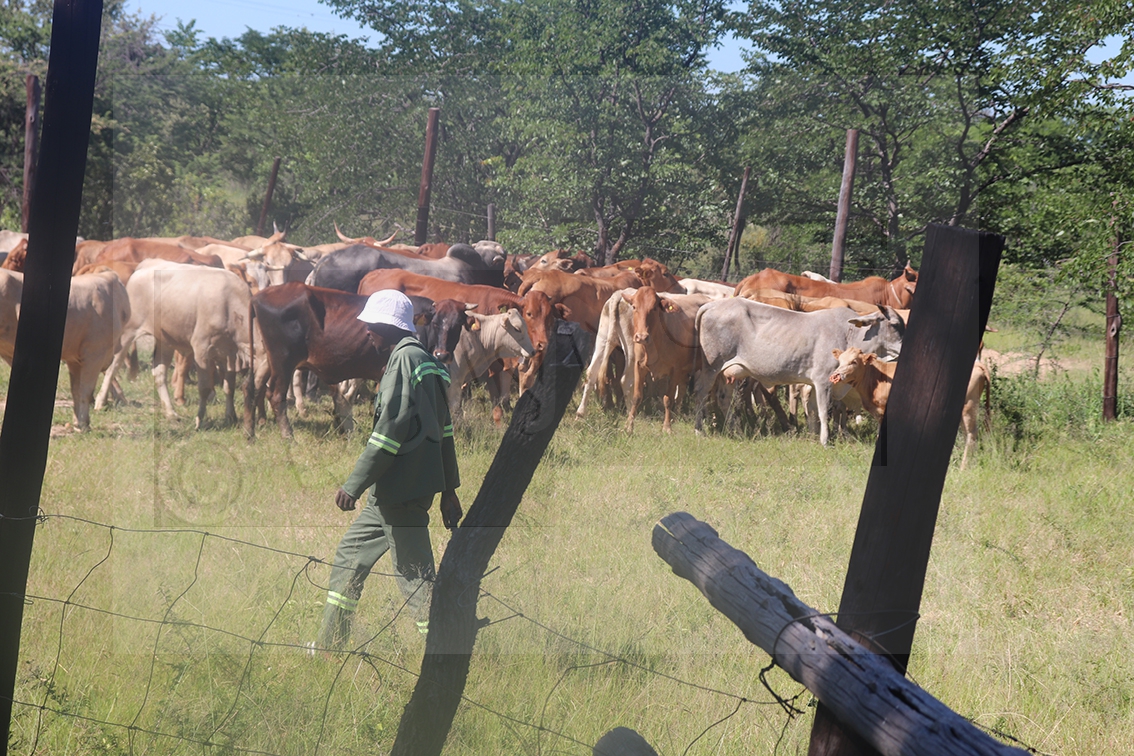
Speaking at a Strategic Planning Retreat in Lobatse recently, landboard chairperson, Mr Bobby Tlhabiwe said the leadership was meeting under extraordinary circumstances. For the first time in 50 years, FMD was spreading through communities in the Southern region, leaving cattle locked in kraals and local markets silent.
Mr Tlhabiwe thus urged the board to recognise the critical impact of the outbreak, particularly given the presence of the Botswana Meat Commission (BMC) in Lobatse. He noted that the disease has had untold devastating effects on exports, revenue, income and local livelihoods.
“This is not the easy ending anyone hoped for, but it is the ending that matters most. Let true leadership prevail in this difficult time, leadership that is unwavering, focused, resilient and purposeful. A legacy is not built in calm years, it is forged when the ground shakes,” Mr Tlhabiwe said.
To leave a lasting legacy, he proposed strict land-use policies that chose biosecurity over convenience, which included enforcing land-use plans that explicitly protected buffer zones along veterinary fences and ensure that no agricultural fields, settlements, or cattle posts were approved within one kilometre of a cordon fence.
On one hand, to ensure that future boards can act swiftly, a joint delegation consisting of the Ngwaketse landboard chairperson, board secretary and the Phitshane Molopo sub-landboard chairperson recently toured the length of the buffer zone along the South African border to investigate enhanced protection measures.
Furthermore, Mr Tlhabiwe announced a standing resolution to empower the Department of Veterinary Services. Acknowledging that past delays in allocating land for roadblocks and quarantine camps costed the district valuable weeks, he said the board would now approve emergency FMD-related land requests within 48 hours, a move he said was expected to save millions in livestock and market access.
Again, to safeguard farmers’ incomes within the ‘red zone,’ the chairperson outlined plans to allocate tribal land for feedlots and holding grounds in affected areas, which he said would allow farmers in Ramatlabama, Kanye, Goodhope, Pitsane and surrounding areas to continue selling beef through Commodity-Based Trade (CBT) during movement restrictions.
Mr Tlhabiwe also emphasised transparency, committing to communicating all FMD-related land decisions to dikgosi, communities and stakeholders within seven days.
“Land decisions made quietly create suspicion and land decisions explained openly create trust. Trust is the tool that makes restrictions work,” he stated.
For his part, Ngwaketse landboard secretary, Mr Godiramang Moepeng highlighted that despite operating with limited resources, the board had successfully adopted a high-performance culture under the ministry’s mandate.
Mr Moepeng listed several historic milestones achieved by the Ngwaketse landboard, noting that the board reached the 100 000 land allocation milestone in Kanye and became the first in Botswana to issue a Secure Land Title (SLT) to a citizen, eventually producing a leading total of 5 700 SLTs.
Additionally, he said it pioneered issuance of the first-ever Mining SLT to Debswana and became the first to allocate land utilising the Land Information System (LIS) through the Geo-Spatial Information Centre (GSIC), successfully hosted a visiting Ugandan delegation in 2024 and became the first landboard to actively educate school children on FMD controls.
Meanwhile, the retreat was attended by members of the main Ngwaketse landboard as well as its subordinate boards from Kanye, Moshupa, Phitshane Molopo, Mmathethe, Mabutsane and Maokane. ends
Source : BOPA
Author : Grace Sebape
Location : Kanye
Event : Strategic Planning Retreat
Date : 25 May 2026
Related News

09 Oct 2026
Duma Boko School prepares for January intake

09 Oct 2026
Botswana and Zimbabwe seal waste management deal

08 Oct 2026