


Malaria cases on the rise in the North West district
09 Apr 2026
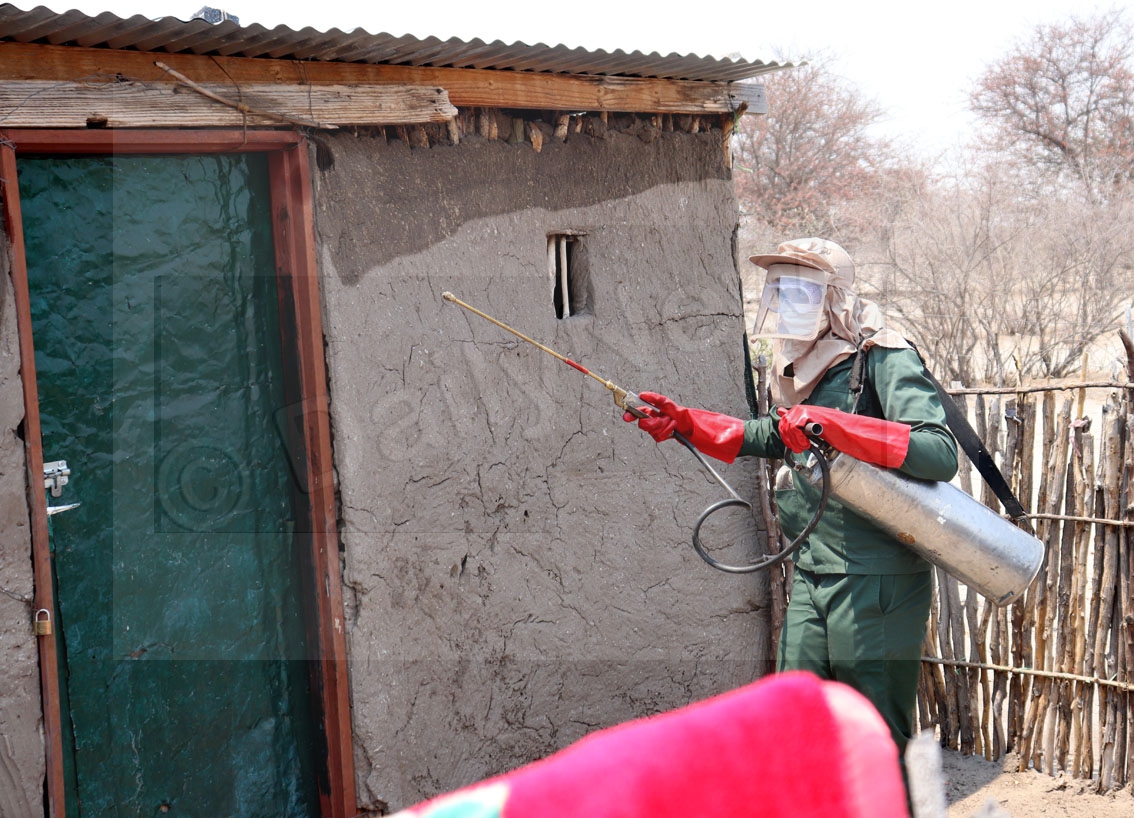
Community rejection of Indoor Residual Spraying (IRS) for malaria control is a significant challenge in the North West district, often resulting in low coverage rates.
To effectively mitigate malaria transmission, each year around October to December, IRS campaigns against malaria are conducted with a coverage target of 80 to 85 per cent.
However, efforts of the health spraying teams often get frustrated by members of the community who refuse to cooperate and decline to have their houses sprayed.
While studies have shown that when IRS is properly implemented, it can contribute to a significant decline in mosquito population and reduce malaria morbidity and mortality, Deputy Council Secretary - Primary Health, Dr Sandra Maripe-Ebutswe expressed displeasure that community refusal undermined efforts to tackle the malaria epidemic in the district especially during peak season.
This season, she said they failed to attain the set target as coverage stood at 47 per cent despite heavy rainfalls that fuelled mosquito breeding grounds, raising cases of malaria infection and fatalities.
She highlighted that IRS was considered the most effective intervention in malaria elimination citing that in other countries, the method was working wonders with malaria cases falling dramatically as members of the community had fully embraced it due to its effectiveness against mosquitoes.
“Rejection of IRS by the community is a serious concern and yet people are dying of malaria. On daily basis, we record cases of malaria in various areas within our district,” Dr Maripe-Ebutswe emphasised.
She called on the public to change their mindset and accept IRS by allowing health workers into their homes during campaign, especially since the North West and Okavango districts were classified as malaria-prone areas because of the high number of cases registered annually.
Reports have indicated that increased cases of malaria were expected in North West district due to water pools across the district. Currently, one death and 115 clinically confirmed cases, of which 11 were children aged under five, have been recorded.
Community health nurse, Ms Cindrella Gaebowe confirmed the number, explaining that 100 cases originated from the district, 13 were imported from other districts while the rest were imported beyond the border from countries such as Ghana, Zambia and Namibia.
To control the disease, Ms Gaebowe said IRS campaign was conducted in Nhabe, and in areas within the Okavango Delta and that distribution of treated mosquito nets was also done.
Meanwhile, some officials had indicated that early floods were anticipated to hit Maun, with water levels continuing to rise in the Okavango River at Mohembo due to persistent heavy rainfall experienced within the Okavango and North West districts.
They indicated that rivers, lagoons and floodplains in the delta which had been dry for years had recharged and some were already overflowing, resulting in some areas becoming inaccessible due to flooding.
North West deputy district commissioner, Mr Ramogaupi Gaborekwe stated that a team had been tasked to conduct a surveillance in hotspot areas and see how best they could mitigate the situation before it got out of hand.
“Recently, we had to rescue one family by boat as their homestead was engulfed by water, making accessibility difficult. We anticipate more inflows as the water levels continue to rise and efforts are ongoing to strengthen early warning and community awareness systems,” he added.
A hydrologist from department of Water and Sanitation, Ms Gofaone Maradu stated that based on the observed trends, hydrological flood disaster was anticipated as the inflows from Mohembo were increasing significantly.
She said the 2025/2026 hydrological season was characterised by significantly improved flow conditions across the Okavango Delta system compared to the 2024/2025 season, noting that sustained upstream inflows, coupled with localised rainfall contributions had resulted in rising water levels and increased system response.
“We have observed increased inflow volumes from the upper Okavango Basin, recharging of previously dry rivers, lagoons, and floodplains, the rising water levels along the Boro, Gomoti, Thamalakane, and Boteti river systems and that the flood head along the Nhabe River from Thamalakane River is advancing and has now passed Komana Primary School,” she added.
Ms Maradu also noted that the Thamalakane River back flow along the Boronyane river had crossed the bridge and was about 20 metres upstream the bridge while the Okavango River peak water level recorded during the 2025/2026 hydrological year was still rising but had already approached approximately 3 metres at an earlier stage in the season, indicating a potentially higher or earlier peak.
However, she explained that the main flood wave from Mohembo had not yet fully propagated to the Thamalakane River but that based on observed trends, downstream areas, including Maun, were expected to experience rising water levels once upstream floodwaters arrived.
Despite the favourable hydrological conditions, Ms Maradu said monitoring operations were currently constrained by challenges such as continuous rainfall, which had rendered many access roads muddy and impassable, and limited resources including shortage of transport to perform routine monitoring.
Therefore, she stressed the need for rehabilitation of access roads to key hydrometric sites, re-installation and upgrading of gauges and benchmarks as well as consideration of automated or telemetry-based monitoring systems to improve data continuity during extreme conditions. ENDS
Source : BOPA
Author : Esther Mmolai
Location : Maun
Event : IRS Campaign
Date : 09 Apr 2026
Related News


10 Oct 2026
Feature Reliving the Long March 90 years on

09 Oct 2026