

Ear tags requirement for EU market- Molapong
04 Jul 2017
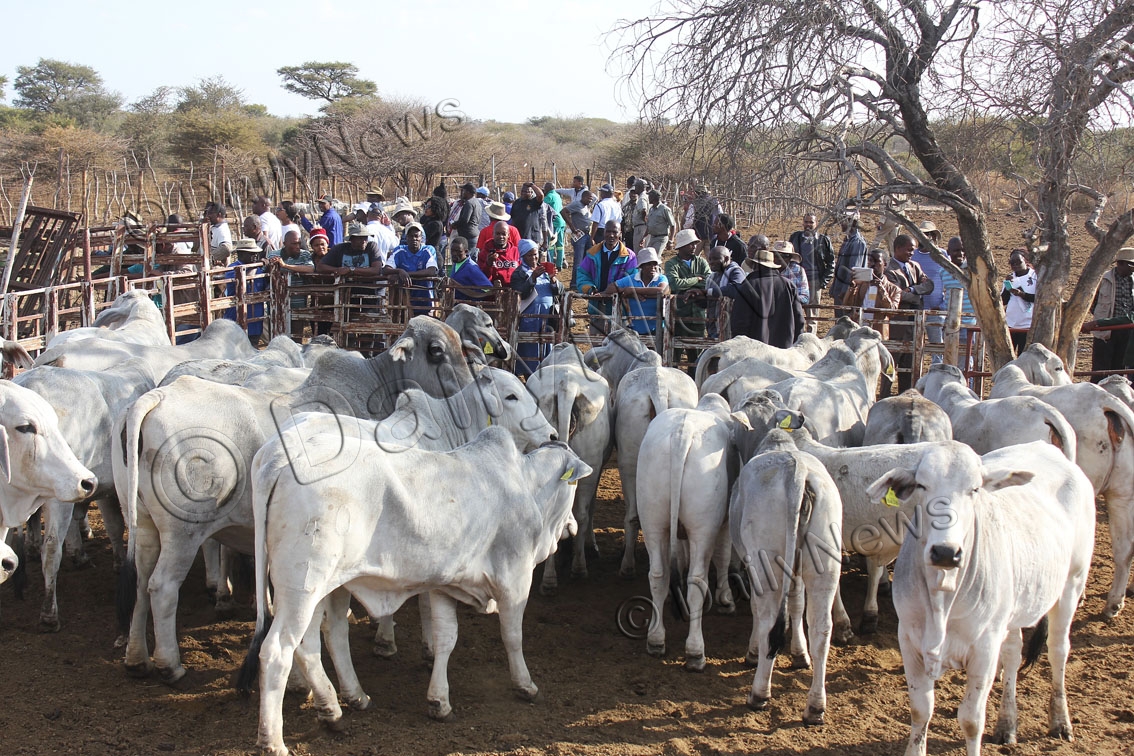
The deputy permanent secretary in the Ministry of Agricultural Development and Food Security (MADFS), Dr Keoagile Molapong said failure to use ear tags on cattle by farmers posed a risk of Botswana losing access to the lucrative European beef markets.
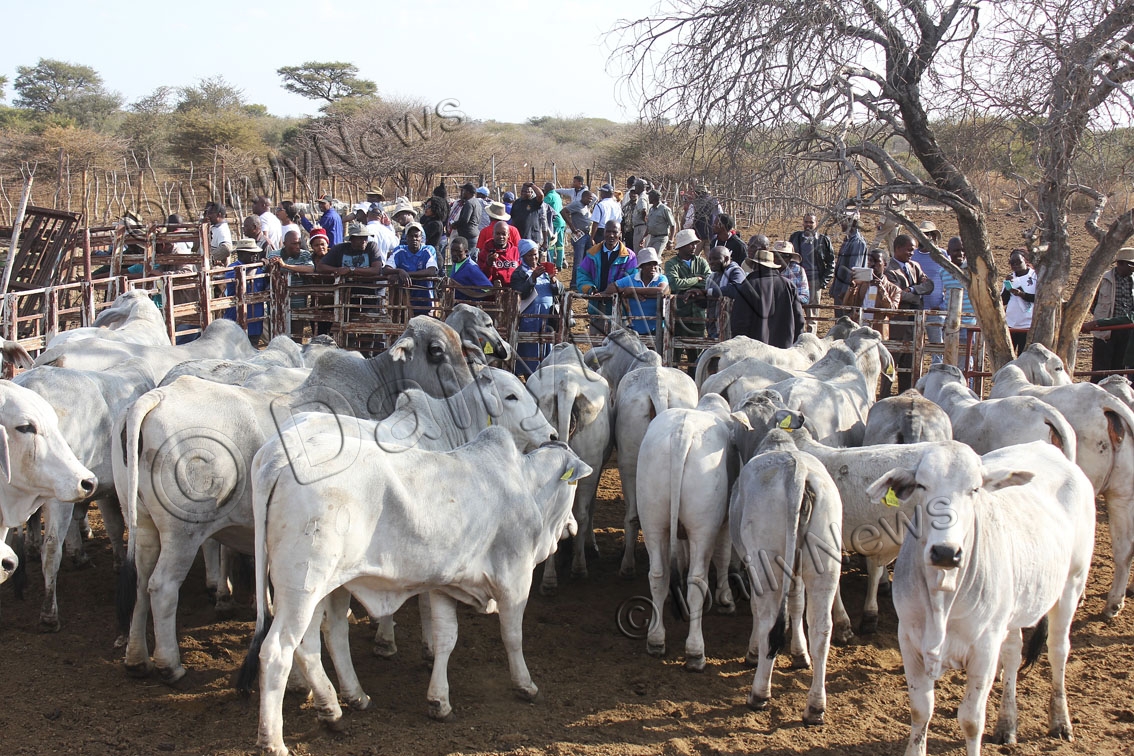
Officiating at Tshepe Field Farmers Day at Nakatsakgama cattlepost on July 1, Dr Molapong indicated that the slow rate at which farmers had embraced the ear tag-based cattle identification system since its introduction was worrisome.
He said since the transition from the bolus based system, 1.1 million ear tags had already been supplied to farmers out of which only 600 000 had been tagged.
“This situation is worrisome as it not only reduces marketability, but also presents a risk to the livestock sector as the country lose eligibility for exporting meat to Europe and other lucrative markets,” he said.
Dr Molapong therefore pleaded with farmers to tag their livestock and report to veterinary officers or online as the system also allowed.
He also cautioned farmers about measles which he said also had the potential to seriously affect the export marked on top of depriving farmers much deserved income from investment in their livestock.
He however, said this was despite the lifecycle of measles being relatively easy to break though proper hygiene.
Despite these challenges, Dr Molapong said that the beef sector still remained a major player in the Gross Domestic Product (GDP) as it still accounted for 80 per cent of the contribution.
He however, expressed concern that challenges such as low birth-rate of 50 per cent against the ideal 80 per cent, poor nutrition and climate change still affected the sector.
However, he advised farmers that the threat of climate change would be around for decades and that small holder farmers were the most likely to be affected as communal shared rangelands that they depended on were the most vulnerable to climate change.
He said the effects of climate change included among others, death due to starvation and increase in the rate of vector borne diseases due to floods.
Dr Molapong therefore advised farmers that the best responses to climate change would be adaptation and mitigation through developing climate change resilient livestock and improved feeding.
Dr Molapong therefore said that farmers associations such as Tshepe farmers club were very much welcome as they facilitated collective identification of problems as well as sharing experiences.
“I commend you for holding this event successfully through the years and I am very humbled to see such dedication and commitment ,” he said.
He said the club’s objectives were in line with those of the ministry, which had put in place various policies as a way of helping farmers produce and feed the nation.
He said such policies included the Livestock Improvement Act of 2009 which supports efficient management of livestock through registration and traceability. ENDS
Source : BOPA
Author : Olekantse Sennamose
Location : LETLHAKENG
Event : Tshepe Field Farmers Day
Date : 04 Jul 2017
Related News


30 Jul 2026
BMC eyes new export deals

29 Jul 2026
Modisaotsile on rise to the top
29 Jul 2026
Poultry industry attains self-sufficiency
28 Jul 2026
Ross Breeders pioneers Botswana poultry exports

28 Jul 2026