

Community radio stationsTo be or not to be
24 Nov 2016
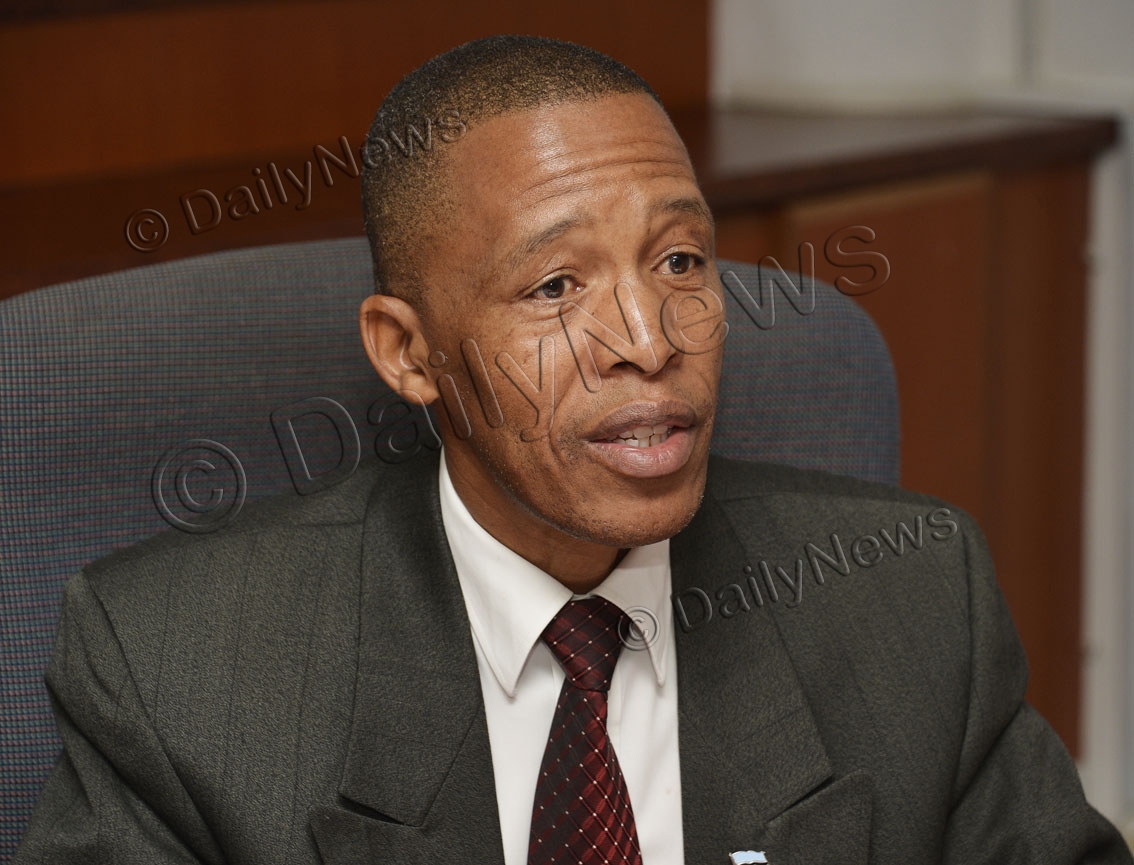
Deputy permanent secretary in the Ministry of Presidential Affairs, Governance and Public Administration, Mr Mogomotsi Kaboeamodimo has advised Francistown City Councilors that policy guidance and direction will be needed if community radio stations were to be established in Botswana.
Addressing a full Francistown City Council meeting on Monday, Mr Kaboeamodimo said there is currently no provision for community radios in the Communications Regulatory Authority Act of 2012 (The BOCRA Act). The BOCRA Act regulates broadcasting other than state broadcasting services.
However Mr Kaboeamodimo explained that the BOCRA Act empowers the minister responsible for broadcasting services to make regulations with respect to broadcasting or re-broadcasting licenses.
He further explained that while there may be three tiers of radio broadcasting in practice, the law in Botswana currently provides for two tiers being public service broadcasting and commercial broadcasting.
Responding to Councillors’ questions as to what it would take for community radios to operate in Botswana, Mr Kaboeamodimo said rules and regulations which normally come in the form of broadcasting licenses would be required, emphasising that this is the purview of policy makers.
He further explained that there were different and conflicting points of view as to whether community radio stations were good or bad for any country.
He said that those in favour considered community radios to be a voice for the voiceless, and a democratising tool that enabled specific communities to express themselves in terms of their culture and way of life.
He said the favourable view of community radios further considered them as a means of empowerment for defined communities, in that the said communities can produce their own content and run the radio stations in line with their interests and aspirations for cultural expression, as well as music, sport and entertainment.
“In South Africa for instance, they are said to broadcast local free expression of culture, music and a way of life” of the communities for which they were established, he said.
Opposition to community radios argues that they can fuel social and political conflict that could destroy peace and order in a country, Mr Kaboeamodimo said.
“Those who object to the prospect of community radios describe them as the root of all evil, a divisive factor that can spark disorder and compromise the integrity of a nation,” he said, adding that “community radios cannot be used as a source of hate speech, or a springboard to attack, ridicule or cast aspersions on the integrity of individuals or persons in the performance of public duty”.
Mr Kaboeamodimo emphasised that this is why normally community broadcasting licenses require license holders to be accountable to a state institution in respect of their sources of funding, as well as procedures for redress and complaint resolution in instances of public displeasure.
Some councillors however argued that community radios posed no threat in Botswana, and that they would provide coverage where state media is not able to do so, thereby allowing marginalised communities their fair share of the public media space.
One of them, former Mayor of Francistown Councillor Peter Ngoma argued that community radios were needed in Botswana as they would allow communities that do not understand Setswana or English to communicate in their own languages among other benefits. BOPA
Source : BOPA
Author : BOPA
Location : Gaborone
Event : Council meeting
Date : 24 Nov 2016
Related News
24 Aug 2026
Currency strength depends on diversified economy
24 Aug 2026
Government achieves core goals

25 Aug 2026