


Smuggled drugs and phones undermine prison rehabilitation
20 Apr 2026
The smuggling of illicit drugs and mobile phones into Botswana’s prisons is undermining offender rehabilitation efforts, Assistant Minister of Justice and Correctional Services, Mr Augustine Nyatanga, has said.
Mr Nyatanga raised concern during a visit to inmates at the First Offenders Prison in Gaborone on Friday, noting that contraband such as marijuana and cellphones continues to be discovered during routine searches.
He said the situation was particularly troubling as some of the confiscated phones had been linked to criminal activities outside prison walls.
“People complain of robberies, and when phones are tracked, they lead to prisons,” he said.
The Assistant Minister warned that such conduct defeats the purpose of incarceration and rehabilitation, as some inmates continue to engage in unlawful behaviour while serving their sentences.
“You should be disciplined to show that you are indeed rehabilitating,” he told inmates, adding that similar concerns had been raised across all seven prison facilities he recently visited.
Mr Nyatanga further noted that nearly half of the inmates at First Offenders Prison could be eligible for parole, but ongoing misconduct significantly reduces their chances.
He encouraged inmates to participate in rehabilitation programmes such as character building and anger management, saying such involvement demonstrates a genuine commitment to reform.
The Assistant Minister also announced that government would soon begin reviewing prison meals, following complaints from inmates particularly those on special diets. The review aims to ensure menus meet appropriate health standards.
Earlier, Commissioner of Prisons, Mr Anthony Mokento, acknowledged that the smuggling of marijuana and phones remains a persistent challenge. He said prison authorities continue to counsel inmates against such behaviour, warning that it hampers rehabilitation progress.
Mr Mokento also revealed that many inmates had requested visits from judges and magistrates, while others raised concerns about delays in accessing court records, which hinder their ability to lodge appeals.
During an open discussion, inmates
One inmate, Opelo Kgathi, attributed the prevalence of contraband partly to idleness and lack of meaningful engagement.He therefore proposed the establishment of specialised prisons focused on vocational training and skills development. He suggested that inmates could participate in mass production initiatives to generate income for themselves and the prison service.
Another inmate, Chippo David, called for improved access to legal assistance, arguing that some individuals remain incarcerated due to limited knowledge of the law.
Inmate John Masawe raised concerns about dietary support, suggesting that prisoners especially those with special nutritional needs should be allowed to receive food from relatives.
He also highlighted disparities in access to specialised medical care for foreign inmates, foreigners were not adequately assisted with specialized medical treatment that is not available in public hospitals, while locals can be taken to private hospitals.
Additionally, he proposed participation in public works programmes such as school construction, government houses and road maintenance, saying this could help reduce government expenditure while providing them with practical skills.
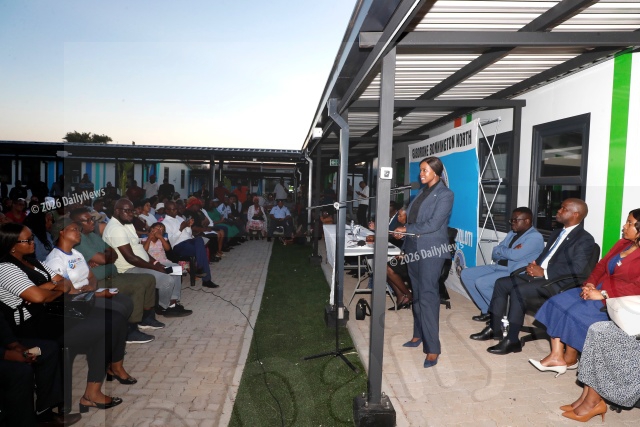
Mr Nyatanga is currently on a nationwide tour of prison facilities to engage inmates and assess conditions within correctional institutions.ENDS
Source : BOPA
Author : Bonang Masolotate
Location : Gaborone
Event : Visit to inmates
Date : 20 Apr 2026
Related News


10 Oct 2026
Feature Reliving the Long March 90 years on

09 Oct 2026