

Mmaothate receives over P600m for learning centre
24 Oct 2016
The Korean National Commission for UNESCO has funded Mmaothate settlement in the Kweneng District with P699 million to facilitate learning to the less privileged.
The funds would be spent on procurement of learning materials such as books, stationary, chairs and tables for pre-school pupils .
Teachers who run the community learning centre would also be trained. Volunteers from the settlement run the centre where a pre-school, clinic and a literacy programme for adults were offered.
Through a project called UNESCO Bridge for Africa, the Koreans promoted development in communities with little access to education.
Botswana, Lesotho, Malawi, Rwanda, South Africa, Swaziland, Zambia and Zimbabwe were selected as beneficiaries of this project.
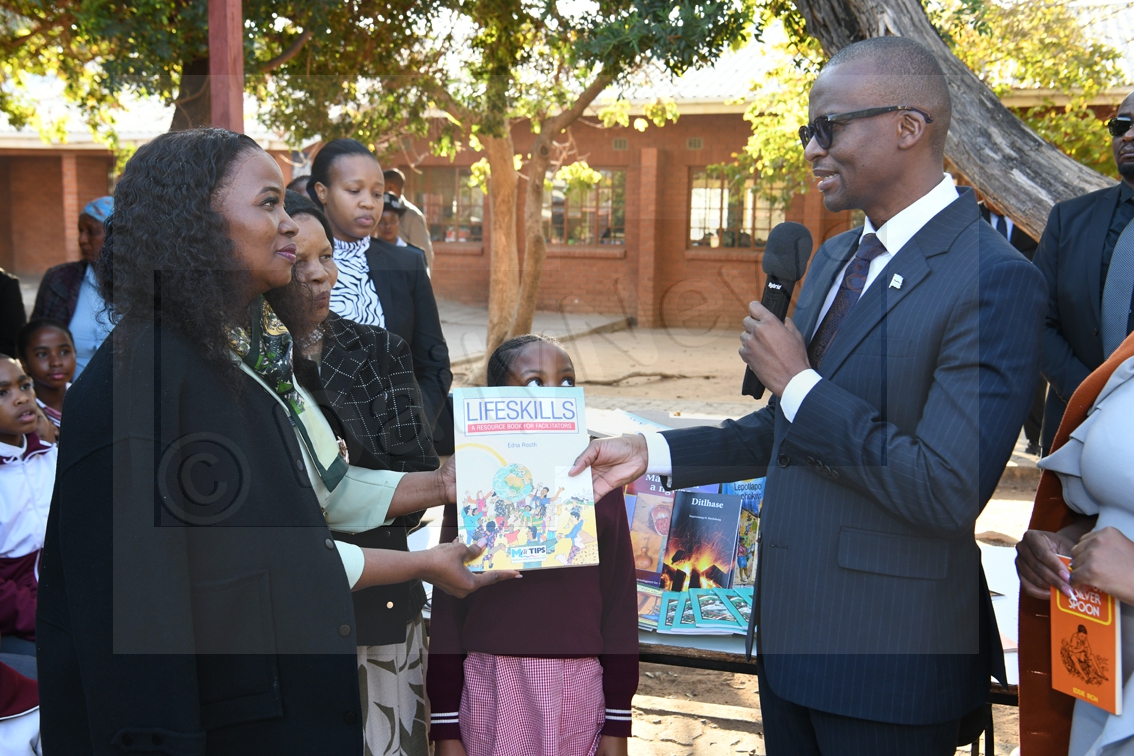
The Korean National Commission for UNESCO delegation together with authorities from the Ministry of Basic Education and Kweneng authorities delivered the good news to the residents of Mmaothate.
The deputy permanent secretary in the Ministry of Basic Education, also the secretary general for Botswana National Commission for UNESCO, Ms Helen Chilisa said the project focused on three areas of support for pre-schools, improvement of literacy and provision of vocational training.
She said “the project came at the right time as the Ministry of Basic Education is working on a strategy to incorporate pre-schools into the education system.”
She said though the project was first launched in 2010, Botswana became a member in April this year, upon when a project officer was dispatched from Korea to Botswana for a five-year term.
A technical team was established in April, which identified Mmaothate as well as Kacgae and New Xade settlements in Ghanzi as beneficiaries.
The director of basic education, Mr Ndondo Koolese said the Koreans were here to see what Botswana National Commission for UNESCO was doing, what teething problems they were facing and what structures were in place to ensure that the project was a success. He said while they were out to inform people about the project and its intentions, they were also looking for advice on how they could give people of Mmaothate an opportunity to learn.
She stressed that given that the project was only for five years, it was important to start thinking of how they would sustain the project when funding ended.
The director for Korea National Commission for UNESCO, Mr Sangkyu Kang said through the bridging programme, they had developed relationships with communities to provide them with better education. He said that Mmaothate was the first project in Botswana, pointing out that the initial plan was to locate areas where there was no government or organisation based interventions to provide education to the people. Mmaothate was therefore given priority as the community was already doing a lot by themselves.
“The most crucial requirement for the project is community involvement in both the implementation and the running of the project.
I was really fascinated by your initiative to use donkey carts to take both children and adults to and from the community learning centre,” he said.
He promised that they would bring as many opportunities as they could for provision of education to the less privileged.
The UNESCO programme officer, Ms Dineo Modimakwane, said they decided to provide education hubs where a pre-school, literacy and technical and vocational services could be offered in areas where there was no provision from the government.
Mmaothate was selected out of other areas because the community was willing and engaged as they had already started a centre where both the young and old met for the sake of education.
“The community has identified a place for themselves and has turned it in to a learning hub. It is run by volunteers.
This place is a pre-school, clinic and a place for non-formal education for adults.
The community hires a donkey cart to collect children to come to school, and this just shows how determined people of Mmaothate are,” she said.
She pointed out that Mmaothate was a school 12 to 13 kilometers away from Monwaane.
So far, there are 19 pre-school learners, 25 primary school learners and 19 non-formal learners.
She said that construction of the community center would depend on the increasing numbers. Currently locals use one VDC house for learning and clinic services.
Councilor for Monwaane, Mr Rutang Rasega thanked the Koreans for their intervention, saying the area faced challenges of taking children to school because of long distances they have to travel.
He said a lot of children were dropping out of school but hoped that with this project the situation would change. He commended residents for their perseverance to get education for themselves and urged them to look after what they would be given. ENDS
Source : BOPA
Author : Maranyane Ngwanaamotho
Location : MMAOTHATE
Event : DONATION
Date : 24 Oct 2016
Related News
26 Aug 2026
26 Aug 2026
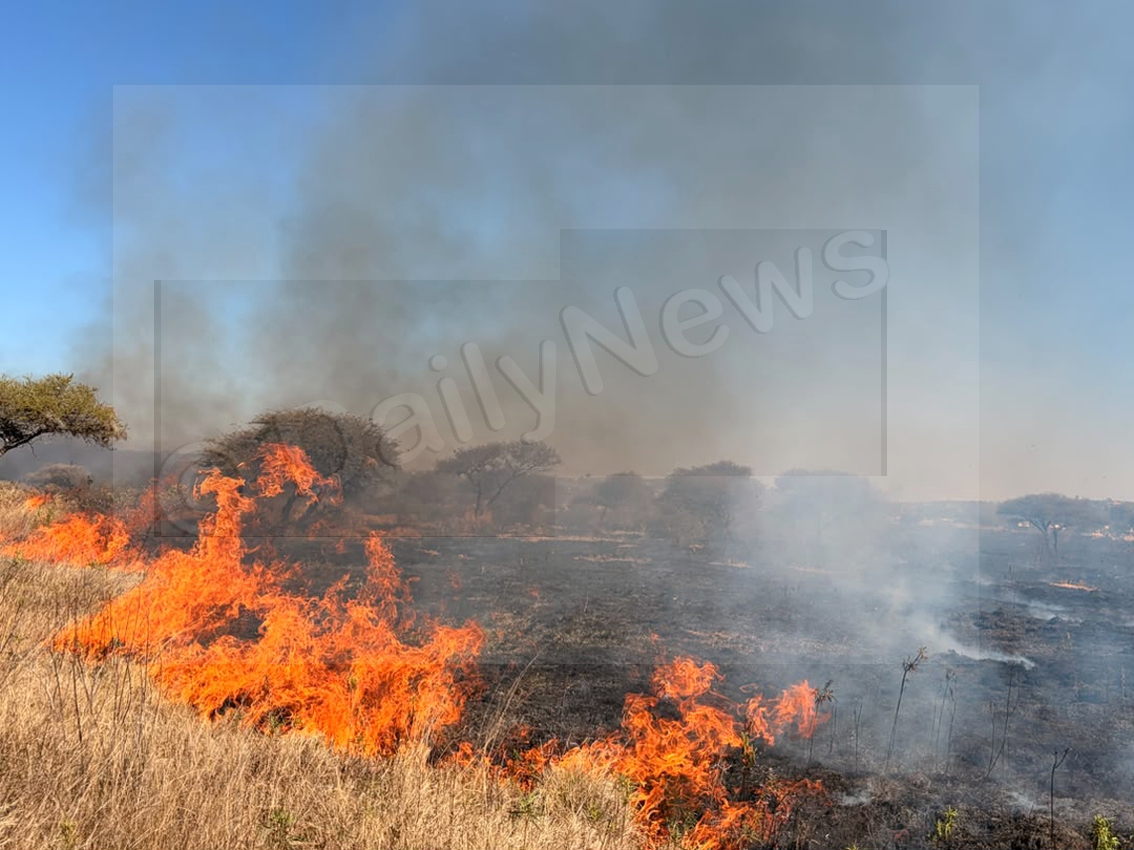
Veldt fires at peak countrywide
26 Aug 2026
Mophane earns reputation for excellence
26 Aug 2026