

Late cancer diagnosis can be fatal
07 Sep 2016
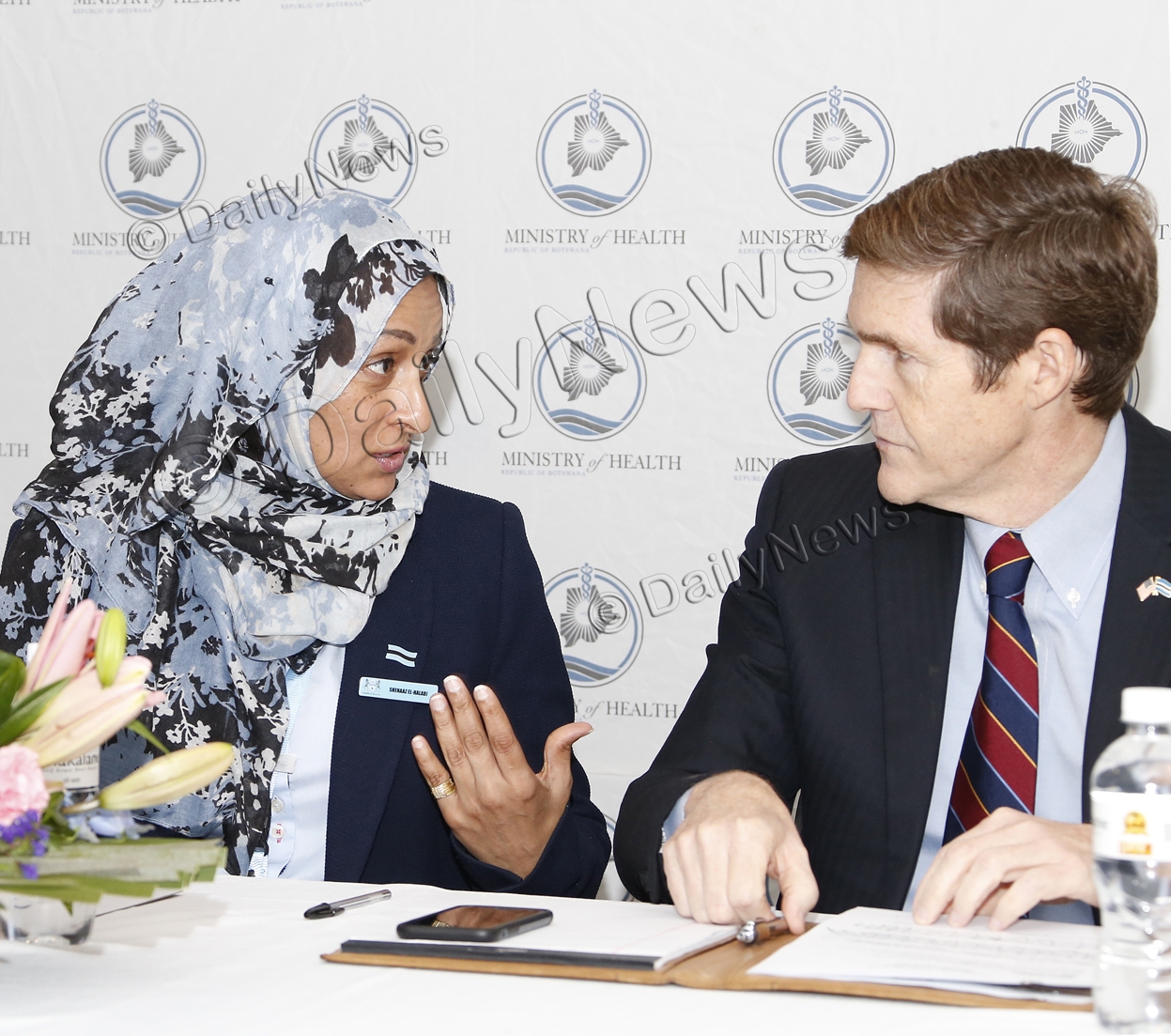
USA Ambassador to Botswana, Mr Earl Miller says late diagnosis of cancer contributes to deaths claiming over eight million lives worldwide.
Delivering a keynote address in Phakalane on Tuesday at the second national symposium on cancer prevention and control, Mr Miller said 72 per cent of cancer deaths occurred in low and middle income countries.
He highlighted that cervical cancer was a leading type of cancer among women and a leading cause of death among HIV positive women in Botswana and the rest of Africa.
However, he noted that Botswana had made some progress in addressing cancer with a notable achievement being the national cervical cancer control programme, which uses a multi-pronged approach to reduce cervical cancer.
Ambassador Miller said to date, there are eight facilities with ‘see and treat’ services, which allow for the detection and removal of lesions in the cervix before they turn into cancers allowing more women to have access to screening services.
Mr Miller stated that the first national HPV vaccination campaign was launched in 2015, as a primary prevention to reduce the lifetime risk of cervical cancer for future mothers and leaders of Botswana He stated that those notable achievements had been possible through broad and invested partnerships, including with several US government institutions. Mr Miller noted that many patients are cared for late or not at all, adding “late diagnosis contributes to poor survival hence cancer diagnosed and treated early is more likely to be cured.”
He stated that Botswana and the USA shared a long history of fruitful collaboration in health explaining that “cancer is not the first major health challenge the two countries faced together.”
Mr Miller said two decades ago, the HIV epidemic posed a serious threat to Botswana of which Botswana responded by forging strategic partnerships with leading institutions and technical agencies of US government.
He noted that the symposium intended to bring all stakeholders in those partnerships to the table, to jointly discuss what more could be done to reduce the number of lives claimed by cancer in Botswana and also identify approaches of how this could be done in a way that accelerates cancer efforts and achieves sustained far-reaching impact.
For her part, permanent secretary in the Ministry of Health, Ms Shenaaz El- Halabi said the Non-Communicable Diseases (NCD) could become a pandemic if not dealt with as they continue to claim many lives.
She noted that NCD required multi sectorial approach for discussions to map interventions that could help fight detect them early.
The permanent secretary said 1200 cases of cancer are diagnosed every year in Botswana noting that this was shocking.
She said patients are diagnosed late which she said was worrying hence needed to be interrogated if people are aware and sensitised about cancer. ENDS
Source : BOPA
Author : Portia Ikgopoleng
Location : GABORONE
Event : national symposium on cancer prevention and control,
Date : 07 Sep 2016
Related News


28 Aug 2026
When patriotism meant everything
28 Aug 2026
Teacher registration protects students
28 Aug 2026
