


ACHAP records positive results in SMC operations
20 Apr 2015
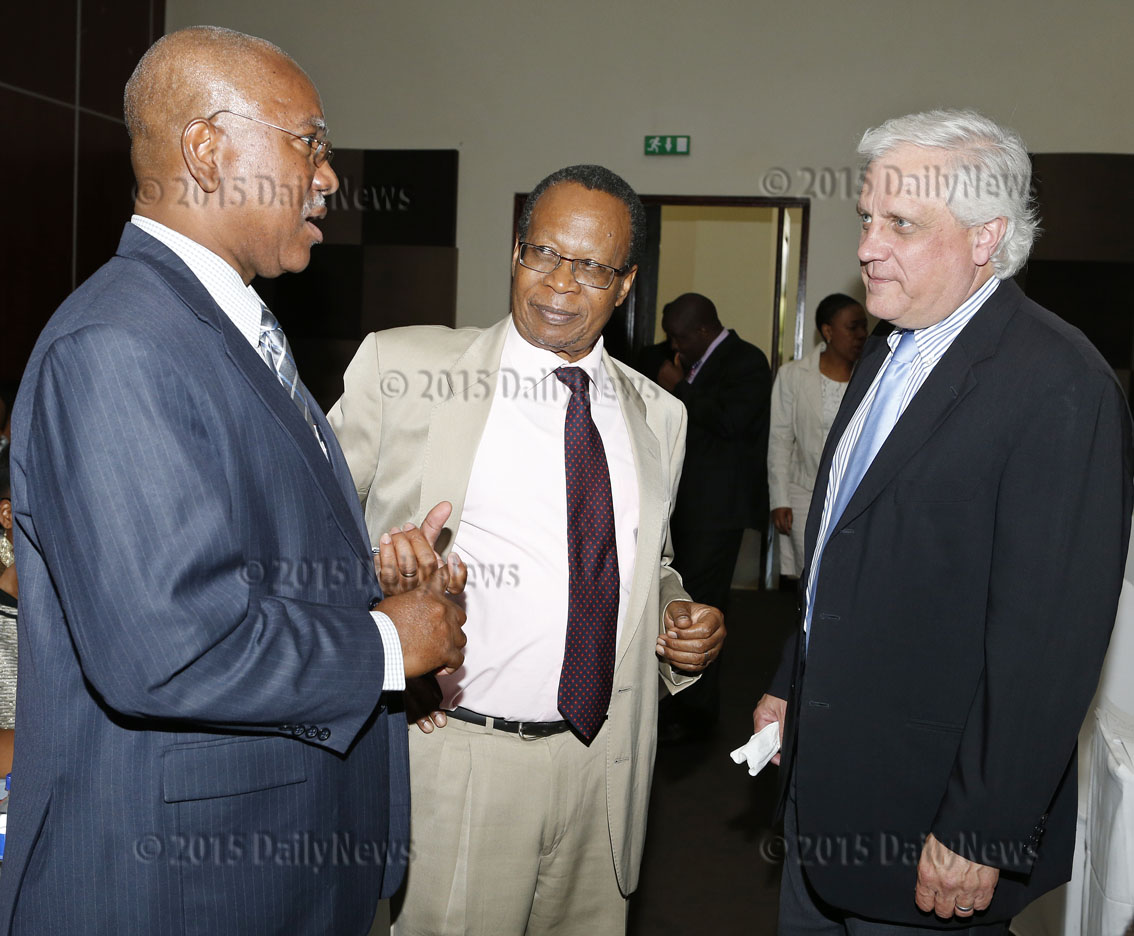
The African Comprehensive HIV/AIDS Partnership (ACHAP) has scored progressive results in relation to Safe Male Circumcision (SMC) operation as at end of 2014.
Briefing participants at ACHAP Phase II dissemination workshop in Gaborone recently, head of new projects at ACHAP, Mr Blessed Monyatsi, said the organisation achieved an average of 80 per cent of its male circumcision target.
He said the organisation in real figures managed to perform 101 680 SMCs against initial target of 127 000 for a five-year-period spanning from 2009 to 2014.
The operation was conducted on males aged between 13 and 29. On one hand the Ministry of Health's revised national target of 385 000 on males aged between 13 and 49 within the same period scored a cumulative 136 250 or 35 per cent.
Mr Monyatsi noted that experience and lessons learnt informed changes in SMC staffing structure and implementation methods and these resulted in consistent increases in annual numbers achieved and significant decreases in per SMC costs.
He explained that costs were computed based on total objective specific costs and a proportional amount of overall indirect and programme management costs.
Meanwhile, he said the success of SMC has assisted in improved planning for the community campaigns, with involvement of all district stakeholders, improved District Health Management Team/Ministry of Health (DHMT/MoH) programme ownership, further improvement in relating with Ministry of Education and Skill Development, Parents Teachers Associations and targeted outreaches with greater involvement of community leaders.
The success, he further said, has brought about stable availability of supplies, improved logistical support and operational re-structuring, improved access to resources, programme/technical support.
Mr Monyatsi told participants that the bulk of SMCs have been through outreach activities; increase in delivery capacity and team efficiency during campaigns by modified MOVE teams and quarterly bonus for clinical teams when they exceed 90 per cent of the targets.
In addition the use of school break and outreach campaigns were highly influential in creating higher SMC demand and delivering on that demand through increased service delivery capacity.
Still at the same event, Head of Treatment and Care Support at Department of HIV/AIDS Prevention in the MoH, Ms Elsie Hulela when briefing participants about ACHAP contribution to MASA programme said ACHAP in 2001 financially supported the ARV programme feasibility study that was carried out by McKenzie and Company.
Ms Hulela also said from 2001 to 2010 ACHAP contracted Harvard School of Public Health to intensively and extremely train Health Care Workers (WCWs) and ARV therapy management and care, adding that in 2002 to 2005, ACHAP supported the Preceptorship training programme for ARV therapy rollout in Botswana.
In addition among other things, she said, ACHAP played a major role in networking in cabling the ARV facilities as well as providing computers.
These services were accompanied by a Health Information System Software. ACHAP has spearheaded the development of the TB/HIV Policy Guidelines, their launch as well as dissemination.
Over and above, she noted, it also had valuable financial and technical input towards the development of Botswana National HIV/AIDS Treatment Guidelines and training curricula.
The workshop was aimed at presenting ACHAP’s contributions to the comprehensive Botswana National HIV/AIDS and TB, response. ENDS
Source : BOPA
Author : Benjamin Shapi
Location : GABORONE
Event : ACHAP Phase II Dissemination Workshop
Date : 20 Apr 2015
Related News
16 Jun 2026
15 Jun 2026