


Substance abuse worrisome
30 Mar 2015
Botswana faces a serious challenge of substance abuse and dependency amongst both the youth and adults in rural and urban areas.
A report on substance abuse and dependency from service providers revealed that the commonly abused drug was alcohol and that the illicit use of marijuana, cocaine and heroin has grown significantly over the years.
According to the United Nations world drug report of 2012, illicit drugs undermined economic and social development and contributed to crime, instability, insecurity and the spread of HIV.
The Botswana Substance Abuse Support Network (BOSASNet) held a pitso engaging with stakeholders addressing issues regarding the drug and substance abuse under the theme drug abuse Botswana; the new epidemic.
The pitso was meant to brief policy makers on the alcohol and substance abuse situation in Botswana and solicit their recommendations on strategies to address the epidemic.
“I am a mother of a recovering addict. My only son has been clean for the past four years. He was a serious alcohol and cocaine addiction,” said World Health Organisation (WHO) representative, Dr Felicitas Zawaira.
She said the ordeal she had to go through as a mother to see her son deal with recovering from the addiction was the worst challenge of her life. Dr Zawaira said the first point in helping addicts to full potential was to note and discuss the fact Botswana does not have a rehabilitation centre hence unable to assist patients.
With regards to the theme of the day, Dr Zawaira said the complicity of the topic was sound and simple and almost narrow when in fact it was deep and loaded, adding that from a WHO perspective they were looking for a broad spectrum of psychoactive drugs or substances.
Furthermore, she said WHO has a little evidence of the extent of use, disease burden and death caused by particular illicit drugs. However, she said this year the organisation collected data across the world including Botswana, which would be combined and ready for approval by the World Health Assembly.
Psychoactive substance use could lead to psychological and psychosocial problems, employment loss, legal issues and difficulty in participating in education. Substance use disorders include dependence syndrome and harmful use of psychoactive substances.
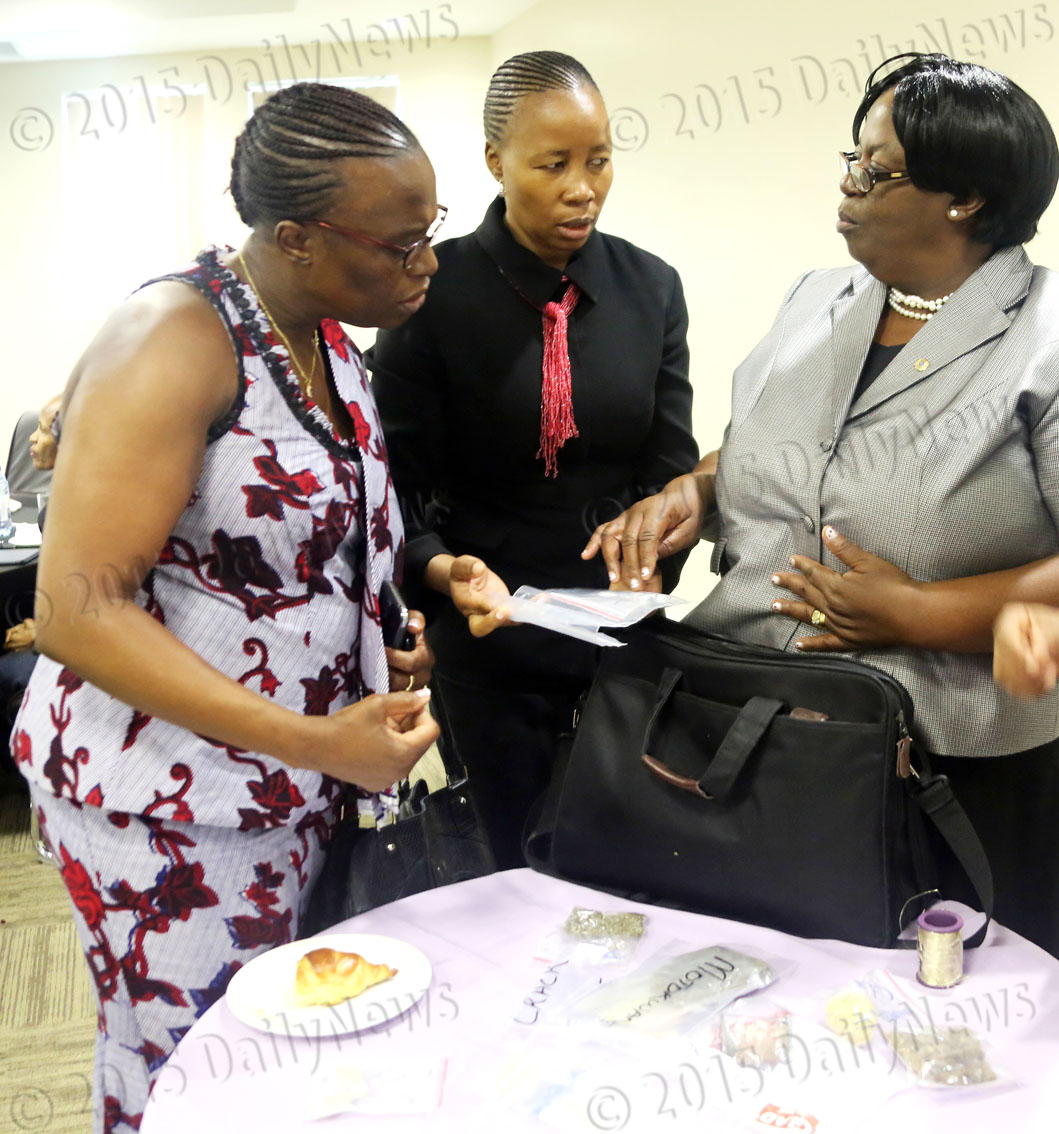
Senior Superintendent Mariam Kilano, officer commanding narcotics fauna and flora investigating unit, said Botswana like other countries was faced with a serious problem of drug trafficking. She said Botswana was at one point used as a transit country for drugs, but that now the locals were dealing with drugs.
Updating attendees on the situation of drugs in Botswana, she said the drug used most commonly was cannabis followed by crack cocaine. Others in the list include ecstasy, cat and heroine. She added that Botswana does not produce these drugs but were smuggled into the country from neighbouring countries.
Drug and substance abuse contributes to the indiscipline and all social illness that dominate society, but more with students at school and at home, said Detective Kilano. She said gone was an era when HIV was the only epidemic.
When providing the scenery in regard with the statistic with the years between 2010 and 2014, she said they had 2 985 cases on dagga weighing 7 364 kilograms which resulted with them arresting 4 177 Batswana and 198 foreigners. She said they have a record of 73 cocaine cases with 4 177 locals while foreigners were 198.
The results depict that more Batswana were involved with dealing with drugs as compared to foreigners, adding that women dominate men in dealing with drugs. However, the fauna and flora investigating unit have collaborated with other organisation to curb the epidemic. ENDS
Source : BOPA
Author : Bulukani Hubona
Location : Gaborone
Event : Pitso
Date : 30 Mar 2015
Related News

16 Jun 2026

15 Jun 2026