


DCEC engages civil society
26 Mar 2015
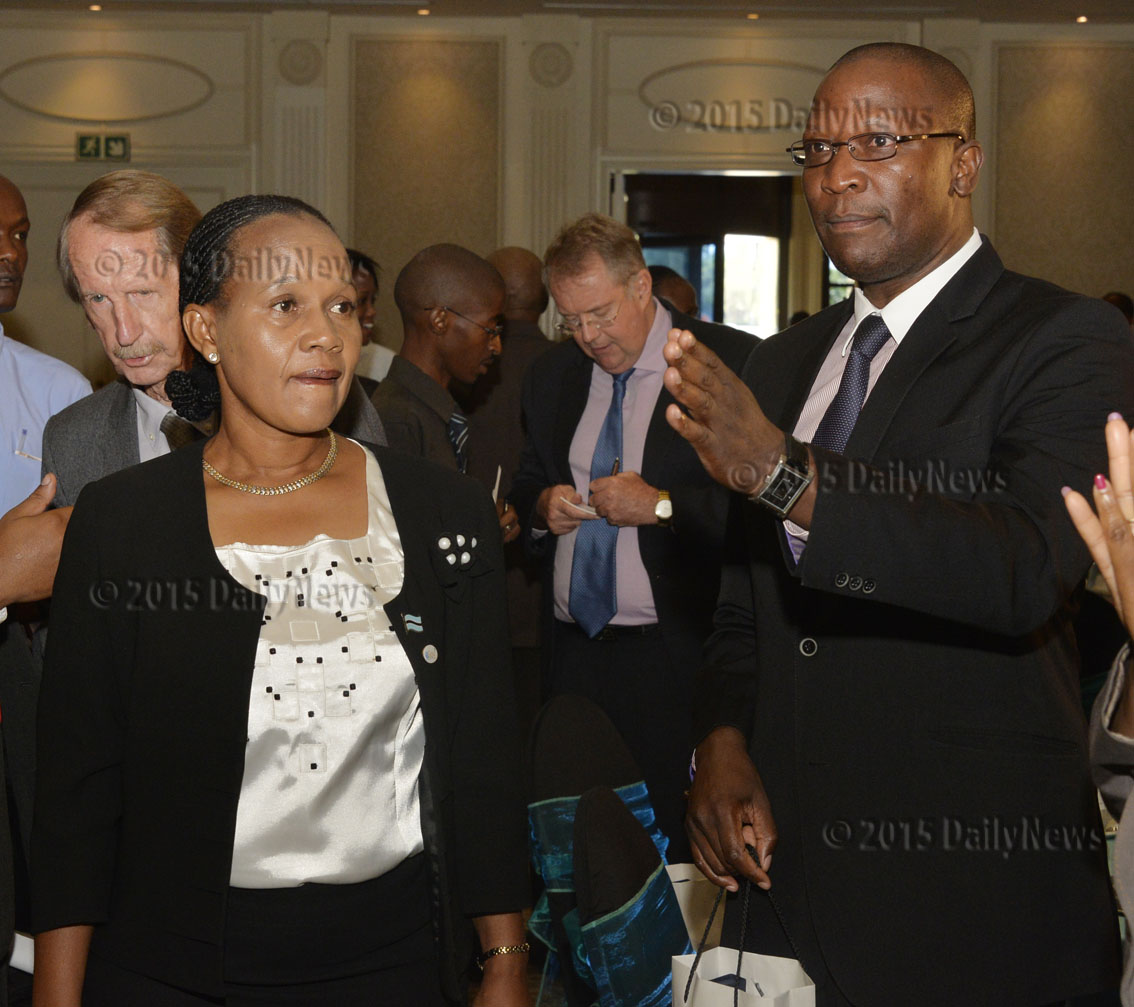
The Director General of Directorate on Corruption and Economic Crime (DCEC), Ms Rose Seretse, has emphasised the need to engage the civil society in combating corruption.
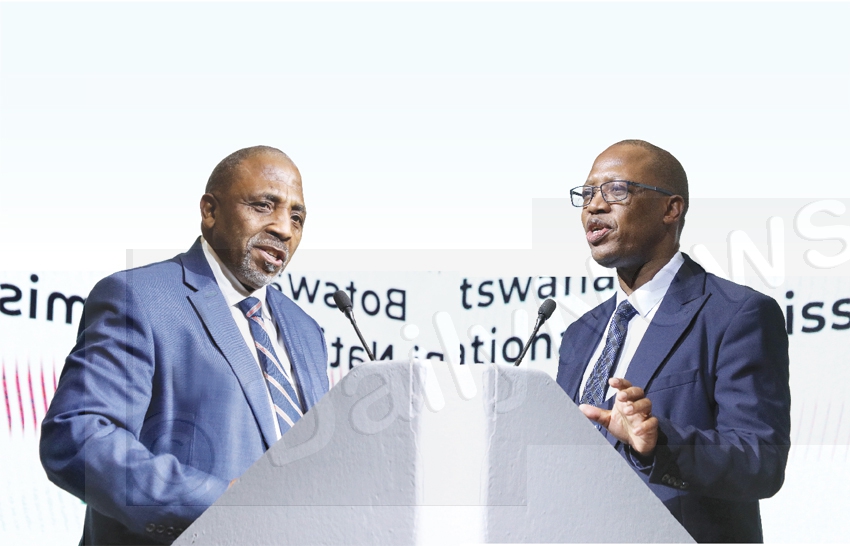
Speaking at the commonwealth Africa Anti- corruption conference recently in Gaborone, Ms Seretse said the main objective of the conference was to promote collaboration between anti-corruption agencies and civil society organisations.
She said the conference was a platform for dialogue between the DCEC and the civil society organisations to discuss roles that they could both play in combating corruption as well as the expectations from both parties.
Ms Seretse said combating corruption could only be achieved through collaboration that ranges from awareness raising to policy formation, and ultimately monitoring of issues such as the quality and delivery of public goods and services to the nation and the implementation of the anti- corruption strategies at a national level.
She noted that even though Botswana was rated the least corrupt country in the continent it did not call for complacent adding that it meant that concerted efforts should be made to ensure that the scourge be dealt with.
“Now is the time for all of us to take an active part in in the fight against corruption so that we can create a legacy of a corruption free Botswana for future generations; there is no better time to make the voice of our civil society heard, especially at policy making level,” said Ms Seretse.
Furthermore Ms Seretse said the Commonwealth Secretariat had developed a guide called “Commonwealth Strategies to Combat Corruption: The Commonwealth Updated Legislative and Technical Guide”, which calls for the participation of civil societies such as NGO’S, trade unions and mass media.
She added that one of the identified challenges was promoting civil society participation in prevention of corruption highlighting that the DCEC had tried on numerous occasions to establish collaborations and it had not been easy.
For his part Commonwealth Secretariat Adviser on Governance and Anti-Corruption Dr Roger Koranteng said while corruption was a global phenomenon, the impact was felt more in poor and undeveloped countries, where resources for development were diverted into private hands which exacerbated poverty.
He indicated that the 2007 Global Corruption barometer showed that Africa was considered to have suffered most public corruption.
Dr Koranteng highlighted that Africa has many institutions that were set to fight corruption but their efforts were being frustrated by slow implementation of anti-corruption protocols at the national level as many of the institutions were struggling with capacity problems and credibility issues.
“In efforts against domestic corruption, commonwealth Secretariat recognises the contribution civil society can make which will be more important if they are well integrated into society, and not compromised by questionable political allegiances,” said Dr Koranteng.
Dr Koranteng said there was need for international response to illicit financial flows across borders, in which embezzled funds were transferred out of Africa and deposited in offshore centres.
He highlighted that solving this could form the international agreement to enhance monitoring of suspicious financial transactions. ENDS
Source : BOPA
Author : Thusoyaone Sechele
Location : GABORONE
Event : Africa Anti- corruption conference
Date : 26 Mar 2015
Related News
16 Jun 2026
15 Jun 2026