

Corruption can lead to instability - Morupisi8232
10 Dec 2014
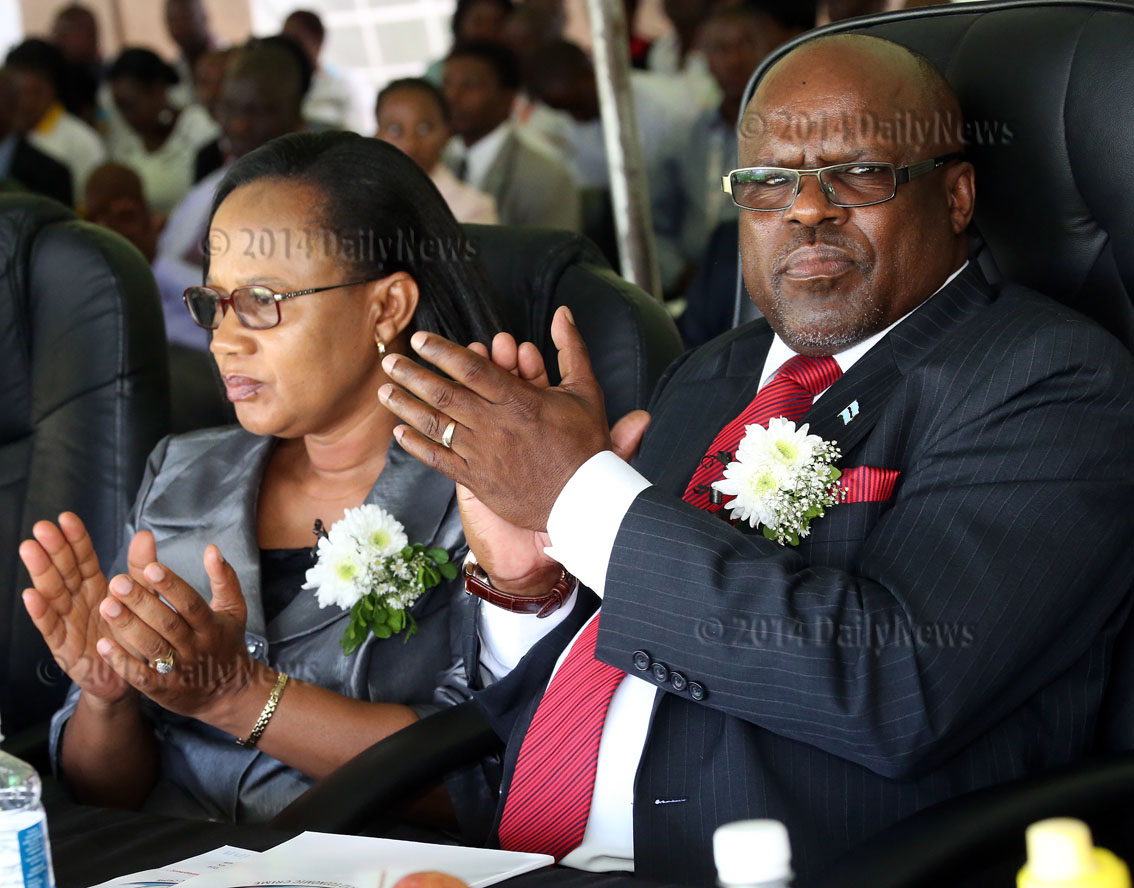
Permanent Secretary to the President (PSP), Mr Carter Morupisi says corruption can lead to an increased level of poverty, unemployment, soaring crime levels, inequalities as well as a decline in the quality of life.
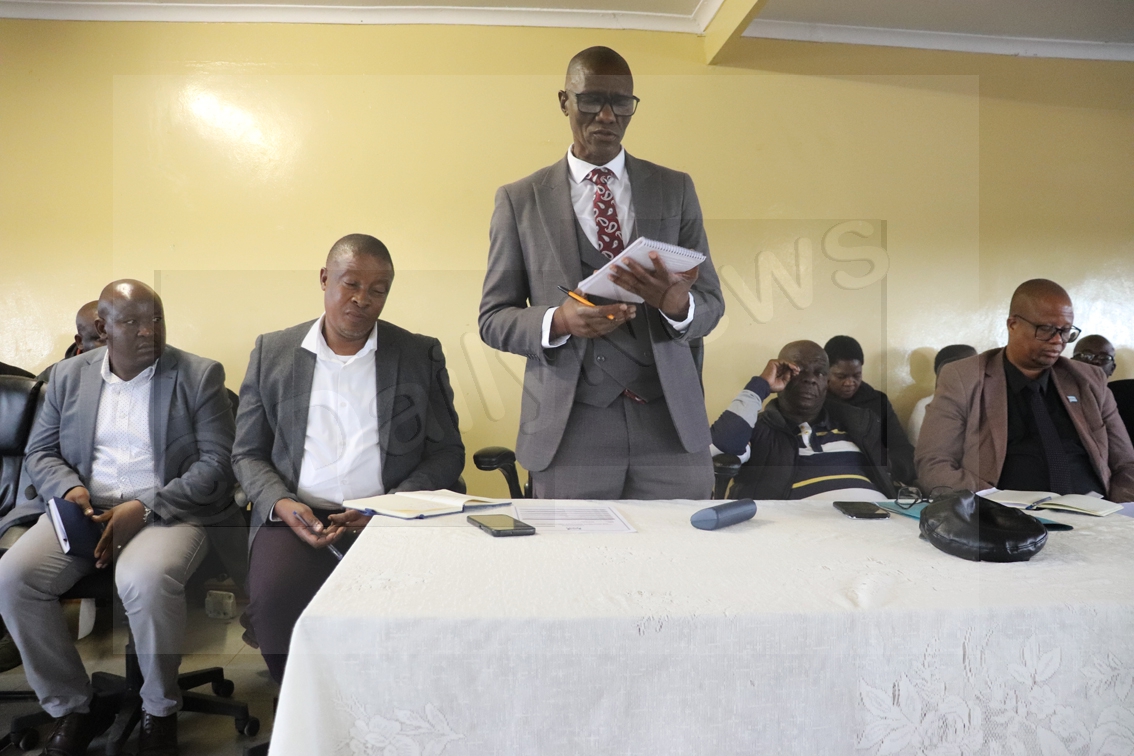
Speaking at the international anti-corruption day on Tuesday, December 9, in Francistown, Mr Morupisi said there was need for all stakeholders to tackle corruption because it had potential of leading to social unrest and instability.
Mr Morupisi said corruption was a barrier to development as it diverted resources away from worthy endeavours like poverty-eradication efforts and sustainable development.
“Corruption undermines human development and democracy and it reduces access to public services, diverting public resources for personal gain. It means that there is need to understand the consequences of choosing as individuals to tolerate corruption,” he said.
Mr Morupisi noted that corruption had become the major challenge that confronted governments across the globe, and Botswana had joined the rest of the world in bringing awareness to the public by recognising the day every year since 2011.
He said apart from combating corruption, government had reviewed several laws, which included amongst others, the Corruption and Economic Crime Act, the Counter Terrorism Act, the Electronic-Evidence Act as well as the Proceeds and Instruments of Crime Act.
Mr Morupisi said the Corruption and Economic Crime Act was amended last year to give it more powers to deal with new offences such as trading in influence, abuse of office as well as providing for blacklisting of companies and directors convicted of corruption.
He said the Proceeds and Instruments of Crime Act makes provisions for dealing with asset forfeiture and provision for civil and administrative forfeitures. “This is a remarkable breakthrough in the long and difficult journey of battling corruption and economic crime and it must be applauded,” he said.
He noted that the Directorate on Corruption and Economic Crime (DCEC) cannot alone fight crime hence the support from institutions such as the Ombudsman, Auditor General, Botswana Unified Revenue Services (BURS), Directorate of Intelligence and Security Services (DISS), Financial Intelligence Agency (FIA), Botswana Police, Competition Authority and Public Procurement and Asset Disposal Board (PPADB).
Mr Morupisi said the institutions collectively provide the core foundations for dealing with corruption because corruption by its nature was sophisticated and manifests itself in many ways.
He assured the audience that the government would continue to fight corruption by providing the necessary support to the DCEC by setting up specialised court to deal with corruption cases, a specialised unit within the Directorate of Public Prosecution (DPP) to deal with corruption.
“All these efforts demonstrate the government’s desire to expedite the handling of corruption cases,” he said.He said the just released 2014 Transparency International Corruption Perception Index has rated Botswana once again as the least corrupt country in Africa and one of the least corrupt in the world.
“Botswana scored 6.3 out of total score of 10 and ranked 31 out of 173 countries surveyed and I thank the DCEC for their efforts in the fight against corruption and encourage them to do more,” he said.
Mr Morupisi said the Transparency International Perception Index results do not suggest that there was no corruption in Botswana but only meant that the country was doing well comparatively with other African countries and there was need to commit to zero tolerance of corruption.
In her welcome remarks, the Mayor of Francistown, Ms Sylvia Muzila said the event came at an opportune time as the city is on its drive to becoming an investment hub, which may in the process attract undesirable elements such as corruption and economic crime.
‘’It is for this reason that we have corruption prevention as one of our key areas for consideration in the proposed Urban Development Plan IV for the city,” she said.
Ms Muzila said by contributing towards the fight against corruption, people would be investing in a bright and secure future for the country because great nations were built when citizens have the capacity to contribute positively.
“I urge the government, private sector and civil society to take a collective stand against this corruption to achieve an equitable, inclusive and more prosperous future for all and even foster a culture of integrity, transparency accountability and good governance,” she said.
The DCEC director general, Ms Rose Seretse said the government appreciates the assistance rendered by United Nations Development Programme (UNDP), more especially on areas such as the fight against corruption, adding that the DCEC collaborated with UNDP on two corruption audits on the Health and Education Sectors.
Ms Seretse reiterated that corruption was one of the paramount national concerns, which cannot be won by DCEC alone and there was need for all to be determined to fight corruption and economic crime within the country and internationally. ENDS
Source : BOPA
Author : Keamogetse Letsholo
Location : FRANCISTOWN
Event : International anti-corruption day
Date : 10 Dec 2014
Related News
08 May 2026

07 May 2026
Kagame wraps visit with DTCB tour
07 May 2026
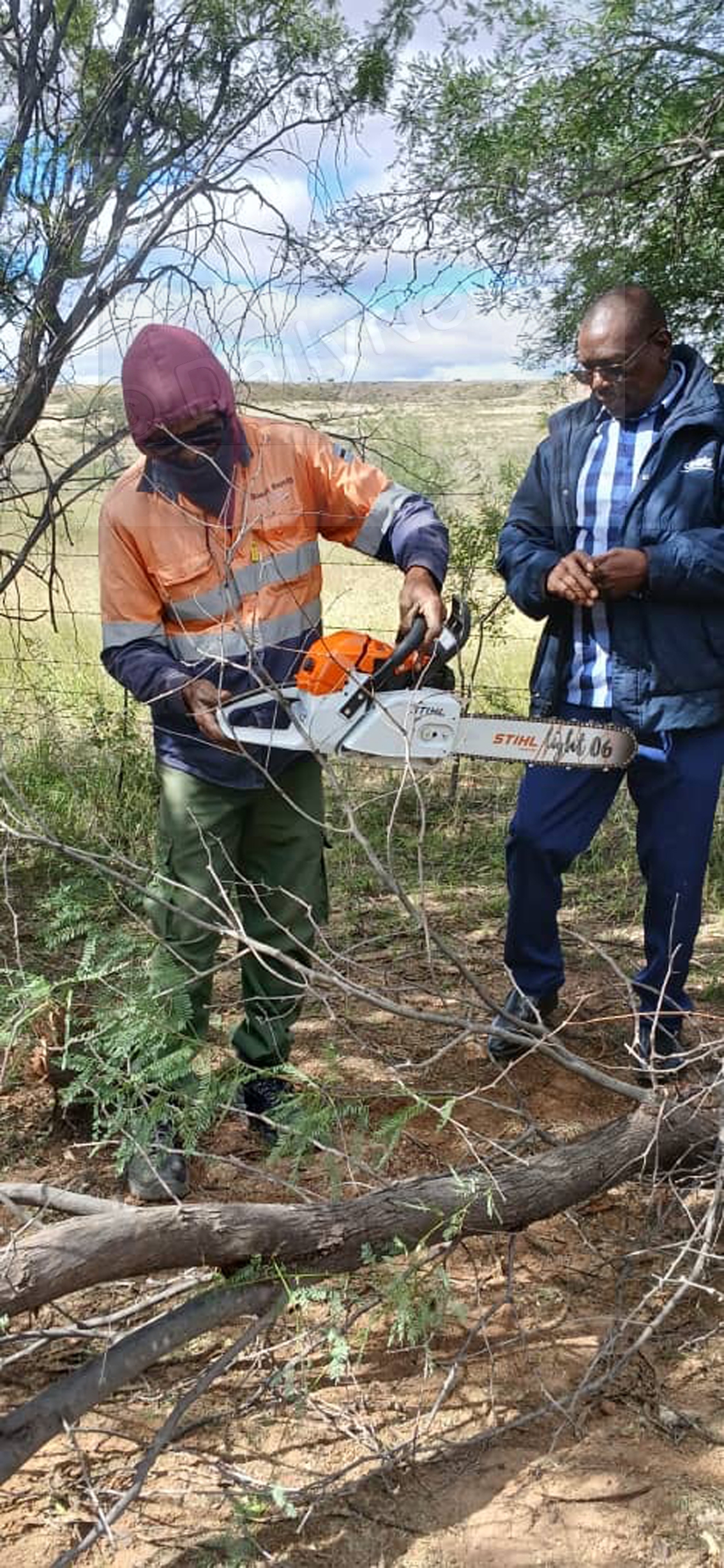
BURS donates nine chain saws
07 May 2026
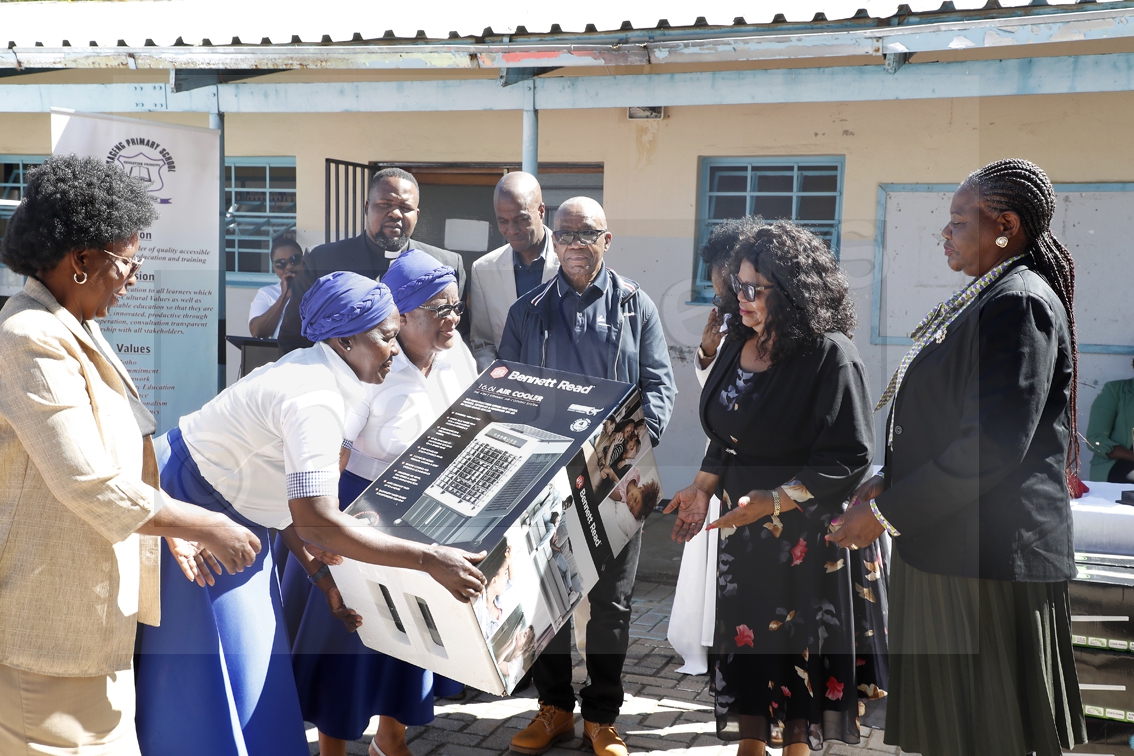
Donation boosts primary schools in Gaborone
07 May 2026