Traditional games ideal past timers

04 Nov 2014
Television games, internet and other technological devices are what most people use in the modern day to pass time and as a form of leisure.
These days, children get accustomed to these devices which bring about a disadvantage of less social interaction among others at an early age. These developments, have alienated people as they keep them glued to these gadgets either cellphones or computers.
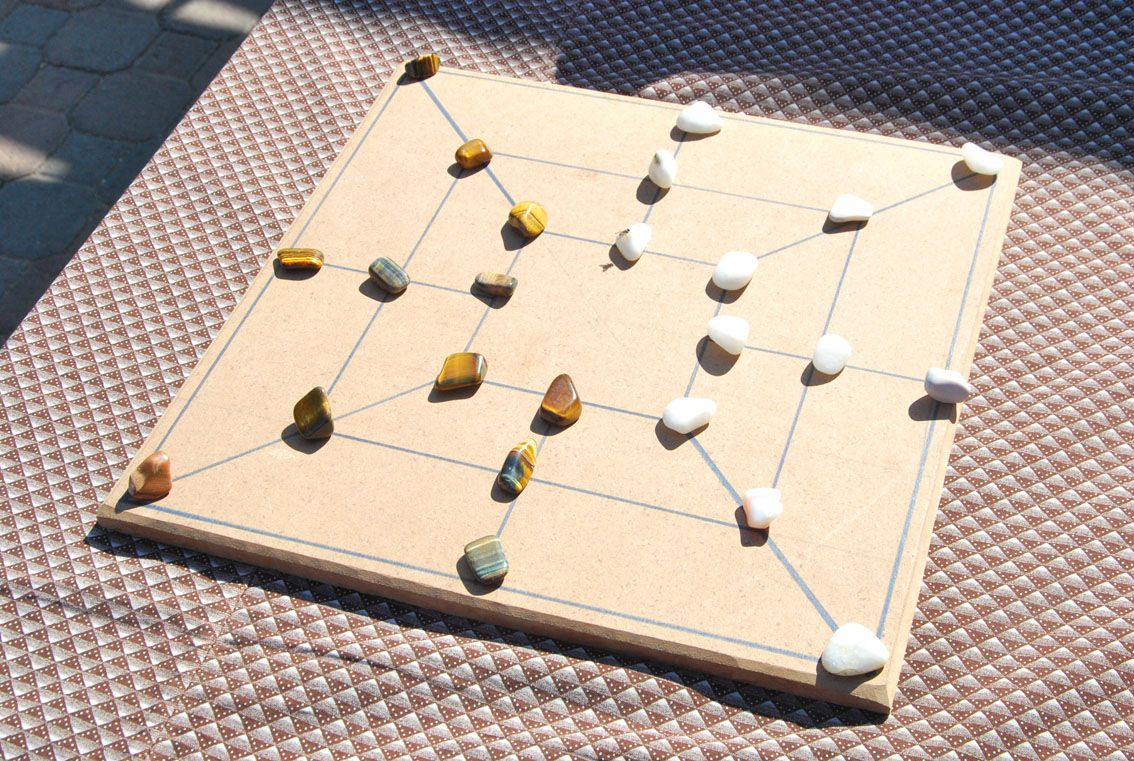
Despite these technological changes sweeping across the world, there are some people who still believe strongly in traditional games. One such person is the 19-year old Kedibonye Baitsilenyane, aged 19, who enjoys playing traditional games like morabaraba, mohele and diketo.
“I have been playing these games from an early age and even today I still play them. I am not moved by these new games,” she said in an interview. Baitsilenyane, who hails from Tonota said this might be the fact that she comes from humble beginnings, whereby they grew up without these modern privileges.
“I grew up in Tonota, and looked after by my grandmother who was not accustomed to the culture of buying toys and games for us, and she taught us these traditional games,” she said.
She said she owns a cell phone with internet accessibility and they have a television set in their home, but still she is not interested in these new games. “My day is not complete without a game of morabaraba or mohele,” she said.
Baitsilenyane said she mostly enjoys morabaraba because it usually takes longer to play as compared to mohele. She said she is fortunate to have a cousin who also shares the same interest and the two women said at times when their grandmother is not busy, she joins them in the game.
“My grandmother taught us this game in detail and I can confidently say I have now become a master player,” said Baitsilenyane. She said she prefers the real morabaraba, whereby holes are dug on the ground, not the artificial one that is sold in shops.
The young woman said that basically the game is played by two people, and 12 or 15 shallow holes are dug on the ground, depending on the kind the players would like to play.
“I prefer 16 holes one because that way the game becomes longer,” she said. Baitsilenyane said each person then occupies half the total number and three stones are put in each hole.
She said the main aim of the game for each player is to gather all the stones into one hole before another person does, adding that whoever gathers the stones into the hole first wins the game.
“This game exercises one’s brain a lot and I like it. Basically it improves one’s thinking process,” she noted. Baitsilenyane’s cousin, Chandapiwa Baitshepi who is also 19, believes the game is some form of art.
She said whenever she plays, she gets into the same kind of mood she gets into when she does painting. “I did art at school and I get the same kind of feeling when I play this game as I would when I draw or paint,” she added.
The two women said they wish other young people would play these games as well because they enhance social interaction. ENDS
Source : BOPA
Author : Terry Makgoeng
Location : FRANCISTOWN
Event : LIfestyle feature
Date : 04 Nov 2014
Related News

06 Aug 2026

06 Aug 2026
Mayor implores creatives to be innovative

05 Aug 2026
Batho Ba Metsi honours Okavango Delta custodians

05 Aug 2026