

Ministries US government embrace initiative
23 Sep 2014
Ministries of Health and Local Government and Rural Development have, through US government support, embraced Community Led Total Sanitation (CLTS) as a strategy to transform sanitation and hygiene behaviour.
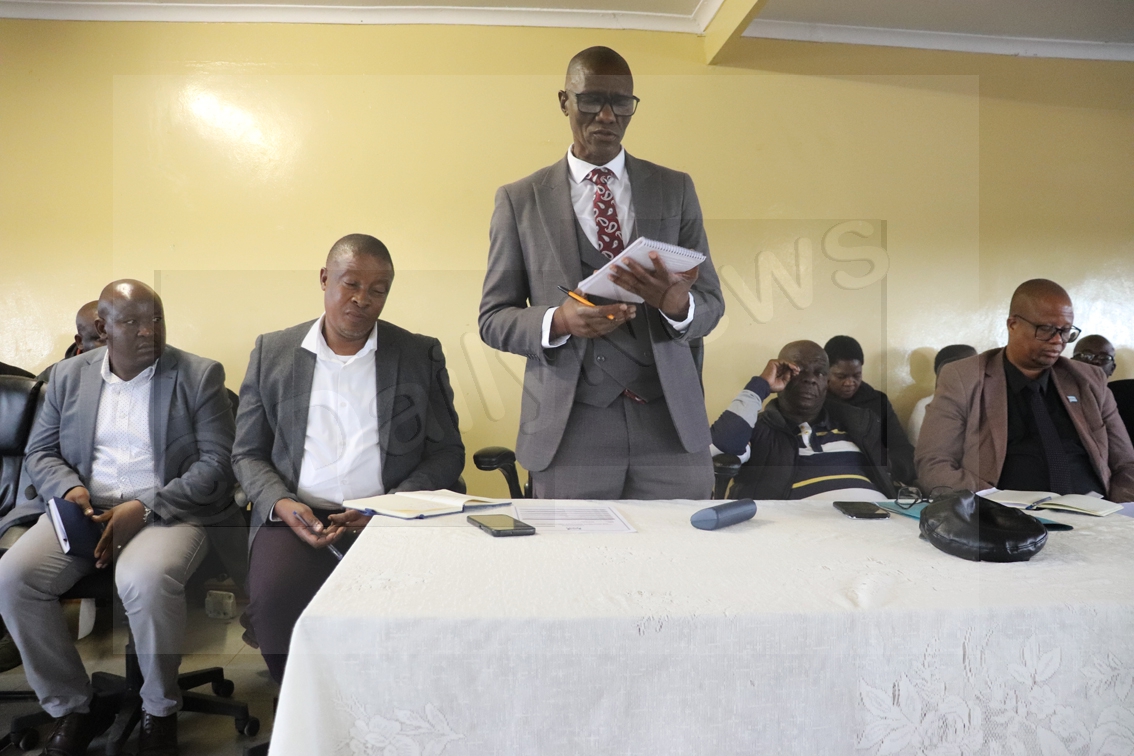
Last Thursday, September 18, an awareness meeting was held which also endeavoured to inform key actors of the planned adoption of a strategy to roll out CLTS across the country.
CLTS is aimed at eradicating open air defecation through a process of community empowerment that demonstrates communities can lead the way toward improving their own health status.
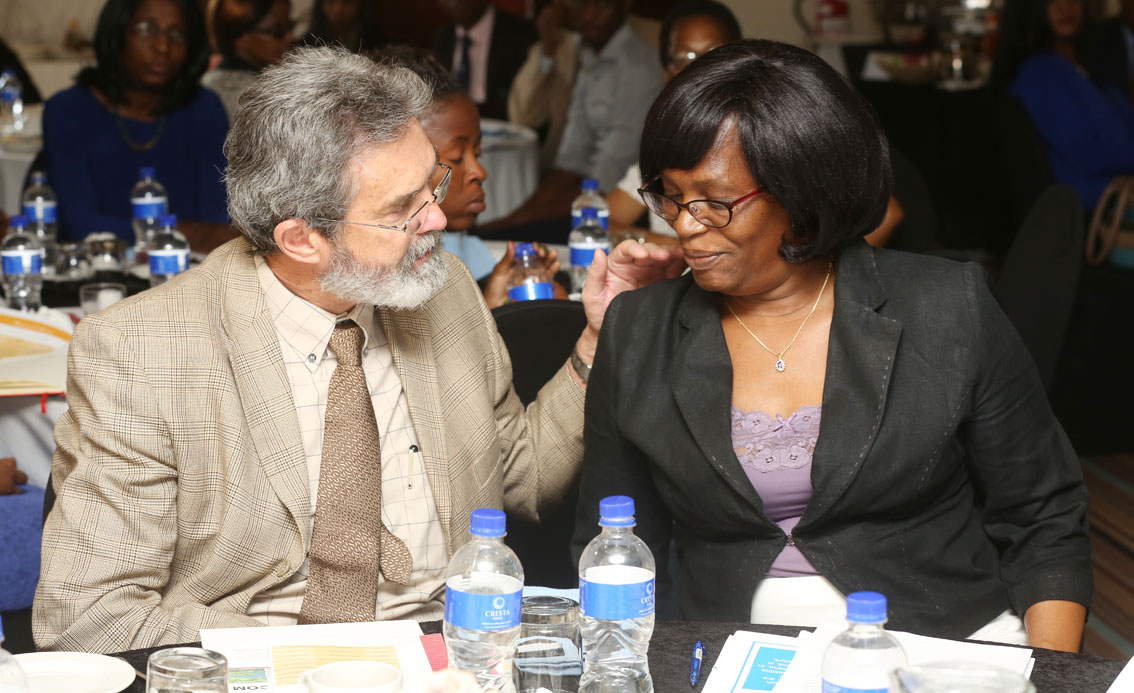
Speaking at the breakfast meeting for high level advocacy for CLTS in Botswana, the USAID programme manager for the Southern Africa Regional Environmental Programme (SAREP), Mr Steve Horn said SAREP works collaboratively with the Permanent Okavango River Basin Water Commission (OKACOM), the Botswana government and local authorities, under a SADC umbrella to improve trans-boundary water and environmental management and demonstrate sustainable development pathways.
He said in line with the strategic action programme of OKACOM, one component of the programme focused on improving water supply and sanitation services to Okavango Basin Communities and specifically Ngamiland communities in Botswana.
“This effort has the complementary objectives of improving the health and well-being of the people and to protect the water quality and natural resources of the Okavango delta, which contributes so significantly to this nation’s, and indeed the region’s economy,” he said.
He further stated that their engagement with the issue of rural sanitation in Ngamiland quickly identified the widespread practice of open defecation as the principle problem to be addressed as well as the need to move away from traditional infrastructure-led solutions.
He said CLTS emerged as the most appropriate and tested approach that has succeeded on a large scale across a number of countries in Africa.
SAREP introduced CLTS in the Ngamiland Region in November 2012, of which Mr Horn said after a slow start and sustained support, it has gained a strong foothold.
“We are pleased that to date it has been taken up in five wards of Shakawe and a number of nearby villages, as well as four wards of Gumare; and recently in the village of Shorobe and people are building their own latrines and taking ownership of their own health issues,” he stated.
When giving the overview of world sanitation, World Health Organisation (WHO) country office representative, Dr Felicitas Zawaira said WHO and 14 collaborating research institutions have estimated that 842 000 diarrhoea deaths in low and middle income countries can be attributed to poor water, sanitation and hygiene.
“This amounts to 1.5 per cent of the total disease burden and 58 percent of diarrhoeal disease,” she said. ENDS
Source : BOPA
Author : Obuilwe Nkokonyane
Location : GABORONE
Event : Awareness meeting
Date : 23 Sep 2014
Related News
08 May 2026

07 May 2026
Kagame wraps visit with DTCB tour
07 May 2026
BURS donates nine chain saws
07 May 2026
Donation boosts primary schools in Gaborone
07 May 2026