

Poaching leads to extinction
15 Sep 2014
Wildlife resources are vital to human’s economic and social development but people do not recognise this value and still perceive wildlife as an infinite resource that does not add value to their livelihood.
Giving a presentation at a workshop at Dikwididi recently, Mr Maika Maika from the department of wildlife and national parks said elimination of viable wildlife populations or decline in the target species was one of the effects of illegal hunting on wildlife.
He said illegal hunting also affected behaviour of affected species adding that due to this behavior wildlife became aggressive towards human.
“People don’t know that high alertness levels and longer flight initiation distances to approaching human particularly in protected areas is also an effect of illegal hunting on wildlife,” he noted. Skewed sex ratios, he said occurs if certain sex are required.
Giving an example Mr Maika said if poachers prefer male animals it affect viability of the population and productivity of the affected species.
He noted that commercial poachers prefer high quality trophy species.
Overexploitation, he said, leads to poor quality species in the affected area adding that it also leads to variability of gene pool. “Reduction in prey densities leads to predators preying on livestock, to avoid all this we should stop illegal poaching as this will also affect our livestock,” he said.
Mr Maika also noted that there is likely population expansion of other species due to elimination of their natural predators adding that due to the effects the destruction of their habitat leads wildlife in moving into human inhabited areas which he said is dangerous to human.
Implications of poaching on the wildlife industry, he said, include loss of direct benefits accumulated from sustainable hunting, culling, medicinal and genetic harvesting.
“Loss of recreational and tourism opportunities, loss of opportunities such as education and research are some of the implications on poaching,” noted Maika.
He also noted that the dependents on wildlife may have no source of livelihood due to the implications of poaching on them. He said illegal harvesting of wildlife is in two forms which he said are subsistence and commercial poaching adding that subsistence is for domestic consumption and targeted species include kudu, giraffe, gemsbok and others.
Commercial poaching he said is for international trade in wildlife and their parts like ivory, skins and egg shells are major products sold in the international market.
Moreover, he said in Kalahari district the most targeted species are young predators such as cheetah and lions adding that those involved in commercial poaching are organised syndicates. Ends
Source : BOPA
Author : Mary Mofaladi
Location : MOCHUDI
Event : Workshop
Date : 15 Sep 2014
Related News

08 May 2026

07 May 2026
Kagame wraps visit with DTCB tour
07 May 2026
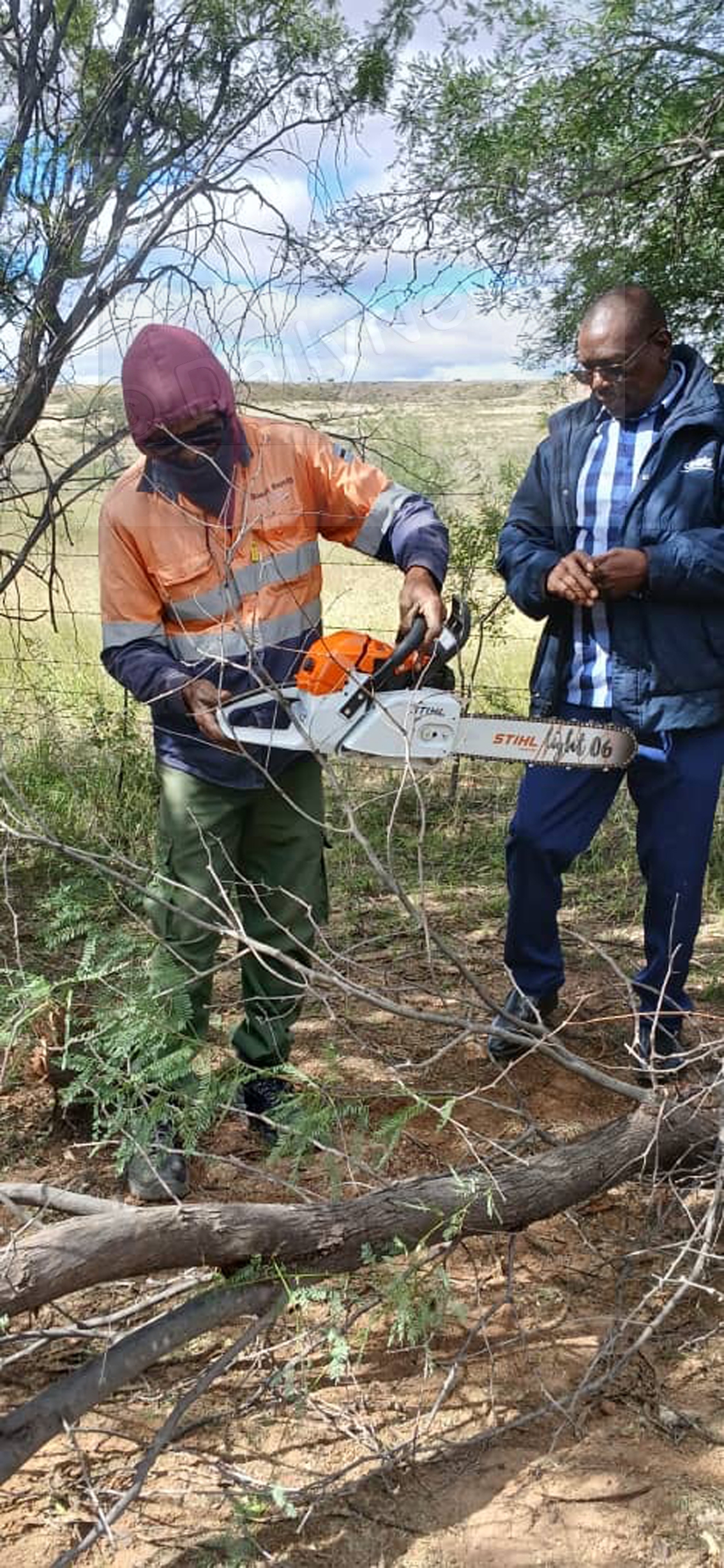
BURS donates nine chain saws

07 May 2026
Donation boosts primary schools in Gaborone


07 May 2026