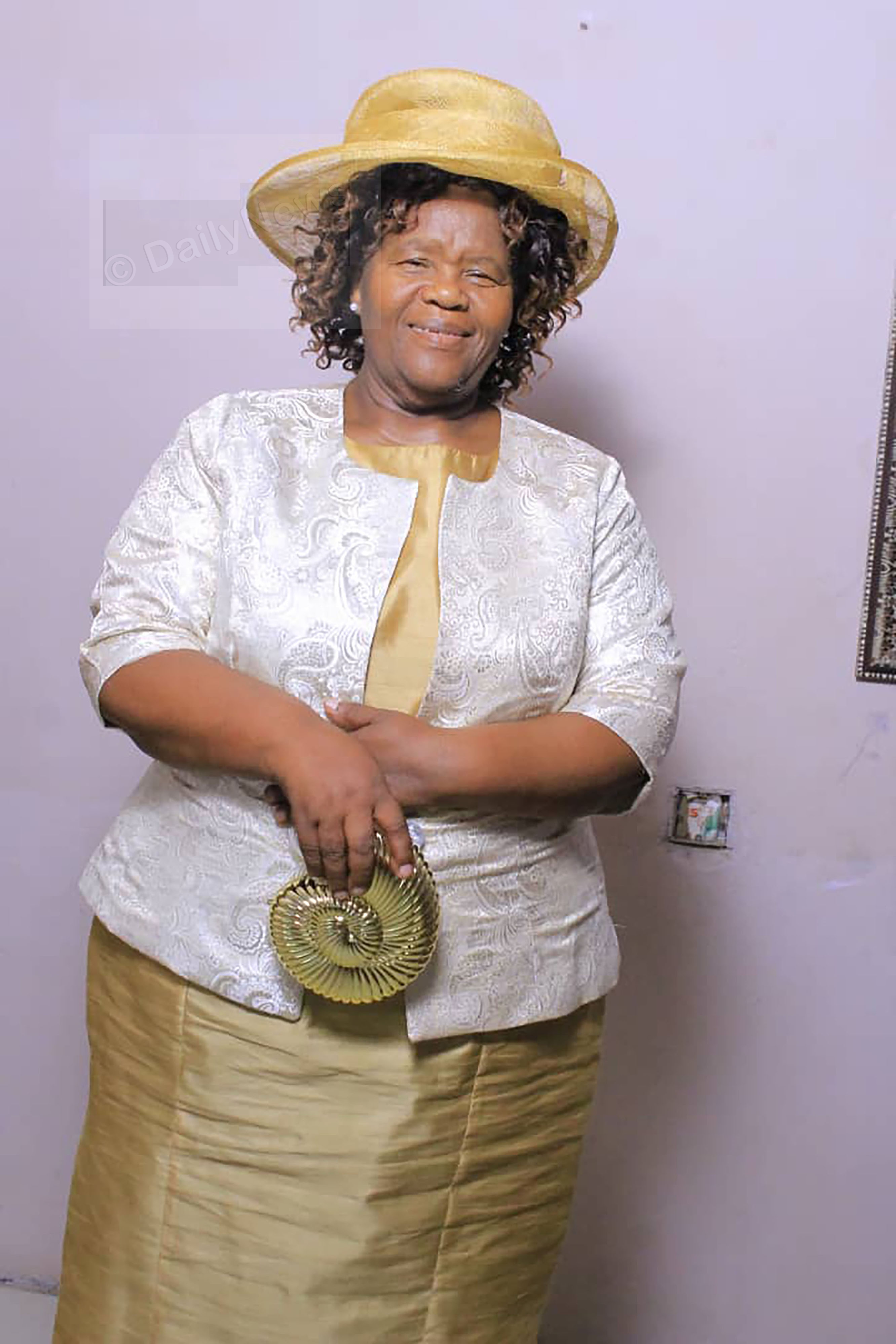
Keitumetse underscores need for sustained cultural heritage
15 Sep 2014
Building partnerships with institutions such as the University of Botswana by developing a cultural heritage programme could be one example of sustained cultural heritage.
That was said by a researcher with Maun Okavango Research Institute (ORI), Dr Susan Keitumetse at ORI premises in Maun at the cultural landscapes and heritage development event recently.
“Starting up a foundation to form a platform for implementation of the activities is one other option to promote culture and under this foundation communities could start building much bigger museums to bring tourists into Maun,” she said.
Dr Keitumetse said it would be easier for the Maun community to negotiate with government to let tourists overnight in Maun, knowing the kind and quality of activities available for them.
Funds generated from such initiatives, she said could then be channeled into community development in the form of orphans, elders, youth sponsorships.
“In this way a Community Based Cultural Heritage Resources Management (COBACHREM) model is enrolled,” she said. Dr Keitumetse did a research about dikgosi as custodians of the culture and therefore better placed to understand issues of cultural heritage conservation.
Speaking the event, Dr Keitumetse who was the chief researcher, said she conducted a cultural landscape research among 20 Dikgosi about well-known cultural landscapes in Maun from the past.
“These were mapped using a Global Position System (GPS) and overlaid on a map of Maun to create a layer of cultural landscapes on Maun planned map,” she said.
She noted that the research established that some of Maun Dikgotla (wards) which have significant cultural heritage value for both the people and the village had disappeared.
Dr Keitumetse said cosmopolitan nature of the Maun was understood through the settlement pattern that is evident through the Dikgotla placement.
“For instance the grouped identities of the Kgotla tell a story of the people’s heritage in the present,” she said. Dr Keitumetse added that the wards in Maun had different significance such as the main wards (Kgosing, Mabudutsa, Meno), Dikgotla tsa basimane ba kgotla (Matomo, Lebodu, Mopako, Mhapha), Dikgotla that were borne out of independent merafhe (tribes) seeking to settle among the Tawana but being allowed to keep their own Dikgotla (Boyei, Shashe, Borolong, Shagen, Bombadi, Kubung), Dikgotla that were borne out of a communal need that was not necessarily traditional ( Boseja, Sedie, Wenela, Riverside, Bombadi).
“The histories that led to these Dikgotla is composed of a lot of historical heritage that can be harnessed by the community as heritage product that they package to the tourists visiting the village and develop village cultural heritage trails,” she said.
Dr Keitumetse said Maun village used to sustain itself agriculturally whereby masimo a Kgosi were ploughed by all and the food deposited in the communal grain bins (matlole) which were now located at the Kgosing ward.
Masimo a Kgosing, she noted, were located along the Thamalakane river behind the now Riley’s hotel as well as where Letsholathebe hospital is located.
“From this knowledge a community agricultural trail can be discerned whereby village tourism trails involving agricultural activities that stretch towards dikgotla are developed,” she said.
Meanwhile, Dr Keitumetse said it was important for Dikgosi to know the Maun development plan and influence. Ends
Source : BOPA
Author : Ame Ketlogetswe
Location : MAUN
Event : Heritage development event
Date : 15 Sep 2014
Related News

06 Aug 2026
06 Aug 2026
Mayor implores creatives to be innovative
05 Aug 2026
Batho Ba Metsi honours Okavango Delta custodians

05 Aug 2026