Of Polka and its impact on life
17 Aug 2014
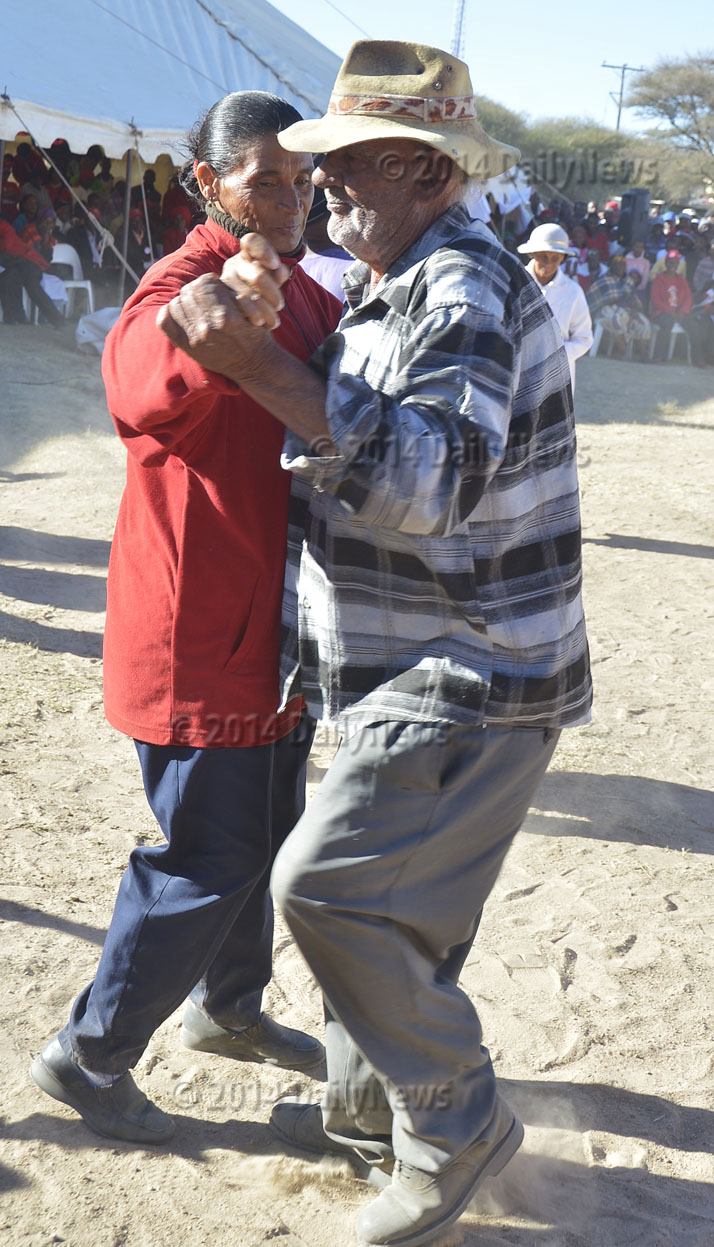
Gone are the days when people used to see polka dance during weddings only in the Tsabong area. Nowadays it is becoming part of daily life.
The dance is now recognised everywhere and it was first introduced during the President competitions in 2011 when people started to know its origin, various styles and its economic value.
This is the reason why youngsters Sethiba Modungwa and Keletso Sebifelo last April formed a group called Tsabong Polka Group.
They wanted to bring polka home and try to involve all those who are staying around Tsabong and surrounding areas to come and join them so that they could grow and uplift their tradition.
Modungwa said they started by advertising on Facebook and shopping centres around Tsabong stating that they were looking for polka dancers.
The turnout suddenly became overwhelming.Step one was to engage Polka gurus to come and audition would -be dancers and eventually they settled for 10 dancers all aged above 21 years
She noted that people are now appreciating this group because they perform in various events held in Tsabong and surrounding areas.
Suddenly they are one of the busiest groups as a month seldom passes without a booking.
They have now spread their wings all over the country as they now have an independence celebration engagement in Serowe, over a thousand kilometres from their base.
Modungwa said they use their profits to pay dancers and save some for future use.
She explained that they tried their luck this year in the President’s competitions that were held in Tsabong in June but they were unfortunate because they did not do enough to please the judges
This did not dampen their spirits as they are practicing a lot so that they can give people a taste of what they are capable of.
She said they are willing to benchmark from other polka groups from Khawa, Struizendam and Bokspits as they are looking up to them because these groups have more experience.
Just like any other new group, they are facing a lot of challenges. These include lack of equipment such as keyboards.
Unavailability of transport is another challenge. At times unavailabity of transport will lead to them missing a scheduled performance.
“Growing up in a rural area is the biggest challenge when it comes to other things like the use of talents to put food on table and there are fewer adults who can act as role models to children.These youths need a support from families and community at large,” she said. Ends
Source : BOPA
Author : Tshepiso Tsietso
Location : TSABONG
Event : Interview
Date : 17 Aug 2014
Related News

06 Aug 2026

06 Aug 2026
Mayor implores creatives to be innovative

05 Aug 2026
Batho Ba Metsi honours Okavango Delta custodians

05 Aug 2026