Breast feeding rates low -Somolekae
14 Aug 2014
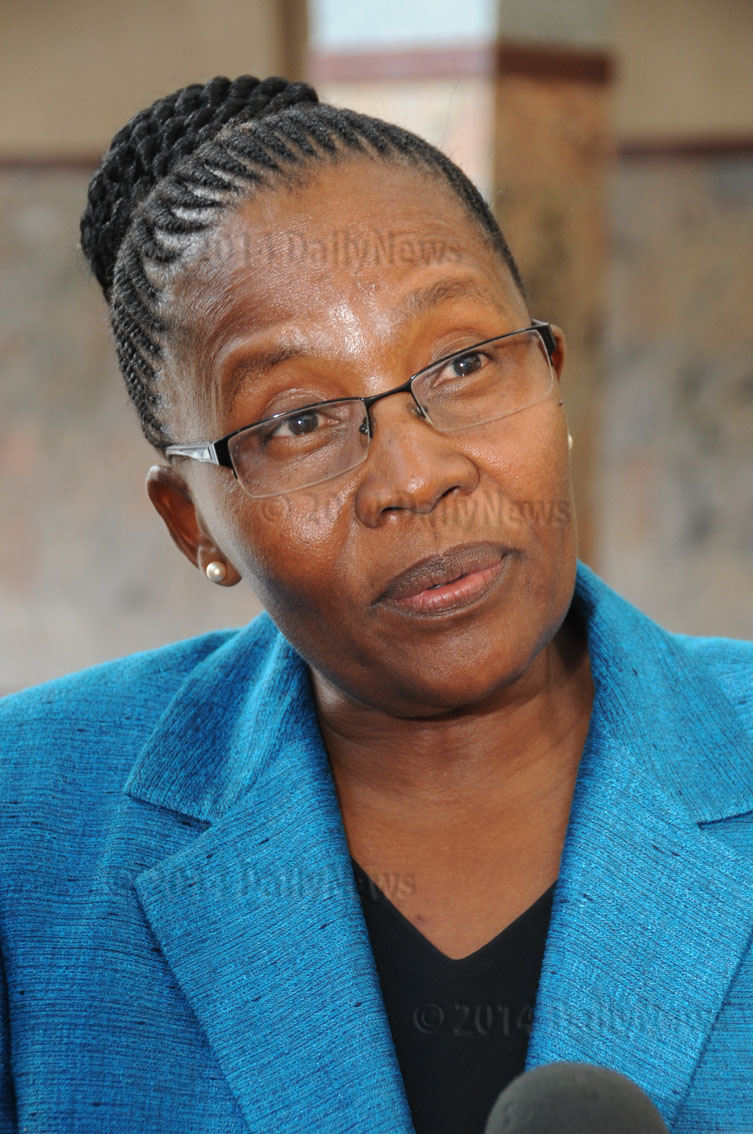
The Assistant Minister of Health, Dr Gloria Somolokae has said rates of breastfeeding in Botswana are still low.
Speaking at World Breast Feeding week launch on Monday, August 11, Dr Somolekae noted that in 1984 and 1988, Botswana Family Health Survey recorded a prevalence of breastfeeding at 98 and 91 percent respectively.
“The decline in breastfeeding has been noticeably among urban women, and shown to be influenced by the educational level of a mother,” she explained
These rates are also declining throughout Eastern and Southern Africa. Comparatively, she said the 2007 findings indicated that 40 per cent of mothers initiated breastfeeding in the first hour of birth with only 20.3 per cent of children exclusively breastfed in the first year of life.
Dr Somolekae identified the changing structures of society as one of the documented factors that interfere with good breastfeeding practices in Botswana.
“This leaves mothers without support and encouragement to breastfeed. Such support was readily forthcoming in traditional societies, which were very well adapted to propagating a breastfeeding culture,” she observed.
She emphasised that elders are excellent sources of information regarding child health and breastfeeding.Furthermore, she encouraged men to also play a role in encouraging their women to breastfeed babies for at least six months.
She said women must not be embarrassed to breastfeed in public because the health of their babies comes first.“Botswana’s exclusive breastfeeding rates stand at 20 per cent, and in terms of complementary feeding practices, our rates are also low at 46 per cent compared to 81 per cent in East and Southern Africa regions,” she explained.
Dr Somolekae indicated that according to the global strategy on infant and young child feeding, less than a third of infants are exclusively breastfed during the first six months of life.
“In line with the goal of eradicating poverty and hunger, studies have shown that exclusive breastfeeding for six months, and continued breastfeeding for two years and beyond, provide high quality nutrients and adequate energy, and can help prevent hunger and malnutrition,” she explained.
Also in line with goal five of improving maternal health, breastfeeding is associated with decreased maternal postpartum blood loss, breast cancer, ovarian cancer, endometrial cancer and the likelihood of bone loss post-menopause.T
he head of Chobe District Health Management Team (DHMT), Dr John Makuka said in Chobe district, there are 1087 children below the age of one year and that of those, 140 children below the age of six months are being breast fed.
“According to a study, which was carried out in Chobe district by UNICEF in 2013, young mothers do not breastfeed for cosmetic reasons,” Dr Makuka said.Another reason that was discovered was that some parents encourage their daughters not to breastfeed because the parents remain with the child when the daughter goes back to work or school.
HIV was also identified as a course for not breastfeeding since initially HIV positive mothers were discouraged from breastfeeding.
As a result of this, Dr Makuka said HIV negative mothers took advantage for not breastfeeding for cosmetic reasons and resorted to infant formula. He warned that complications of not breastfeeding results in repeated gastro intestinal diseases, malnutrition and death.
Some of the objectives of the world breastfeeding week are to stimulate interest among young people of both genders to see the relevance of breastfeeding in today’s changing world and to call attention to the importance of stepping up actions to protect, promote and support breastfeeding as a key intervention in the Millennium Development Goals (MDGs). ENDS
Source : BOPA
Author : Ludo Chube
Location : KASANE
Event : World Breast Feeding week launch
Date : 14 Aug 2014
Related News

18 Jun 2026

18 Jun 2026
Learners commemorate Day of the African Child

18 Jun 2026
LESABO project to address water scarcity

18 Jun 2026