Botswana Malawi share ideas on natural resources management
27 Jul 2014
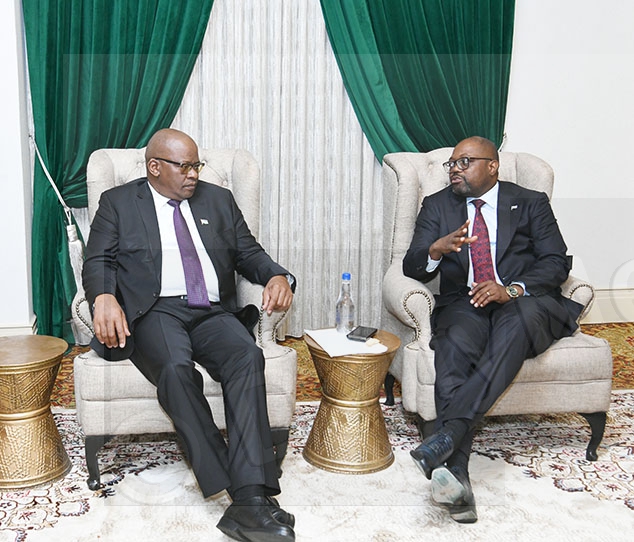
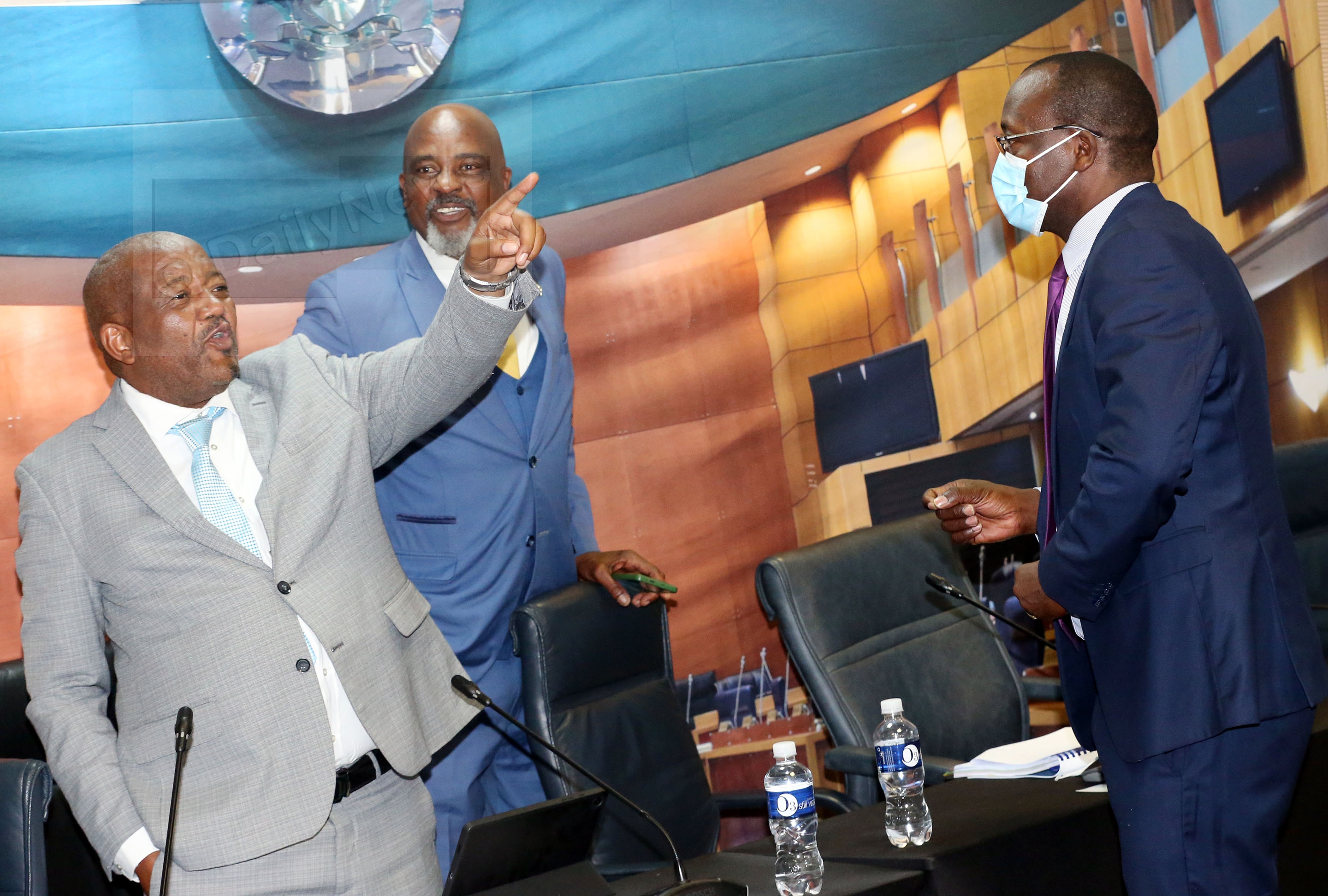
Collaboration between countries on the conservation of natural resources is vital in mitigating the effects of climate change, the acting district commissioner for the North West District, Mr Keabetswe Lesiela, said.
Welcoming a Malawian delegation that came on a benchmarking mission on issues pertaining to wetland management and river basin planning, Mr Lesiela said collaboration between countries would make conservation efforts bigger and better, noting that no country could afford to stand alone in its conservation efforts.
Mr Lesiela said it was imperative for African countries to learn conservation policies and practices from one another on. He emphasised the importance of community involvement in issues of conservation to promote ownership and participation.
He told the Malawians that their visit would have results because they came to the right place where they would learn something valuable.
The leader of the delegation, Mr Jester Nyirenda, said the purpose of the visit to Botswana, particularly the Okavango Delta, was to learn best practices on how Botswana conserved and managed the Okavango River so that they could do so with their own rivers.
Mr Nyirenda, who is also an assistant director of National Parks and Wildlife in Malawi, said his team was working on a project dubbed “The Shire Basin Management Program” which sought to develop a strategic planning and development framework for the Shire River Basin.
Another objective of the programme is to support targeted investments to improve land and water resources management, and associated environmental services and livelihoods in the basin.
“We felt that Okavango Delta is the best opportunity hence we decided to come to Botswana to study more about best practices and approaches to use when we implement our program,” he added.
Ms Belda Mosepele, an official of the Department of Environmental Affairs, told the Malawian delegation that Okavango Delta was the major source of livelihood for people of Ngamiland. She said the community managed the resources using indigenous knowledge for centuries.
The delegation also had interest in learning about the legal and institutional framework for wetlands and river basin management; engagement and coordination of various stakeholders in wetlands management and river basin planning and how to integrate livelihood needs of communities living around the wetlands.
Furthermore, the delegation wanted to learn about the communities’ involvement and participation in natural resources management in Okavango basin; integrating livelihood needs into biodiversity conservation; involvement of communities in eco-tourism; benefit sharing and conflict resolution with communities and climate change and Okavango basin management.
Another official of the Department of Environmental Affairs, Mr Philip Sandawana, briefed the delegation about the implementation of Okavango Delta Management Plan (ODMP) and what had been achieved in the management of the delta.
Mr Sandawana explained that ODMP was developed through a community participatory model of ecosystem approach where communities particularly those living within the Okavango Delta wetlands were involved in the development of the plan.
He said his department coordinated the continued monitoring of all developments within the wetland-Okavango Delta through joint environmental inspections and audits to ensure environmental compliance and subsequently wetlands protection and sustainable development through coordination of the implementation of the ODMP. ENDS
Source : BOPA
Author : Esther Mmolai
Location : MAUN
Event : Benchmarking trip
Date : 27 Jul 2014
Related News
18 Jun 2026
18 Jun 2026
Learners commemorate Day of the African Child
18 Jun 2026
LESABO project to address water scarcity

18 Jun 2026