Report warns of extreme climate related events
15 Jul 2014
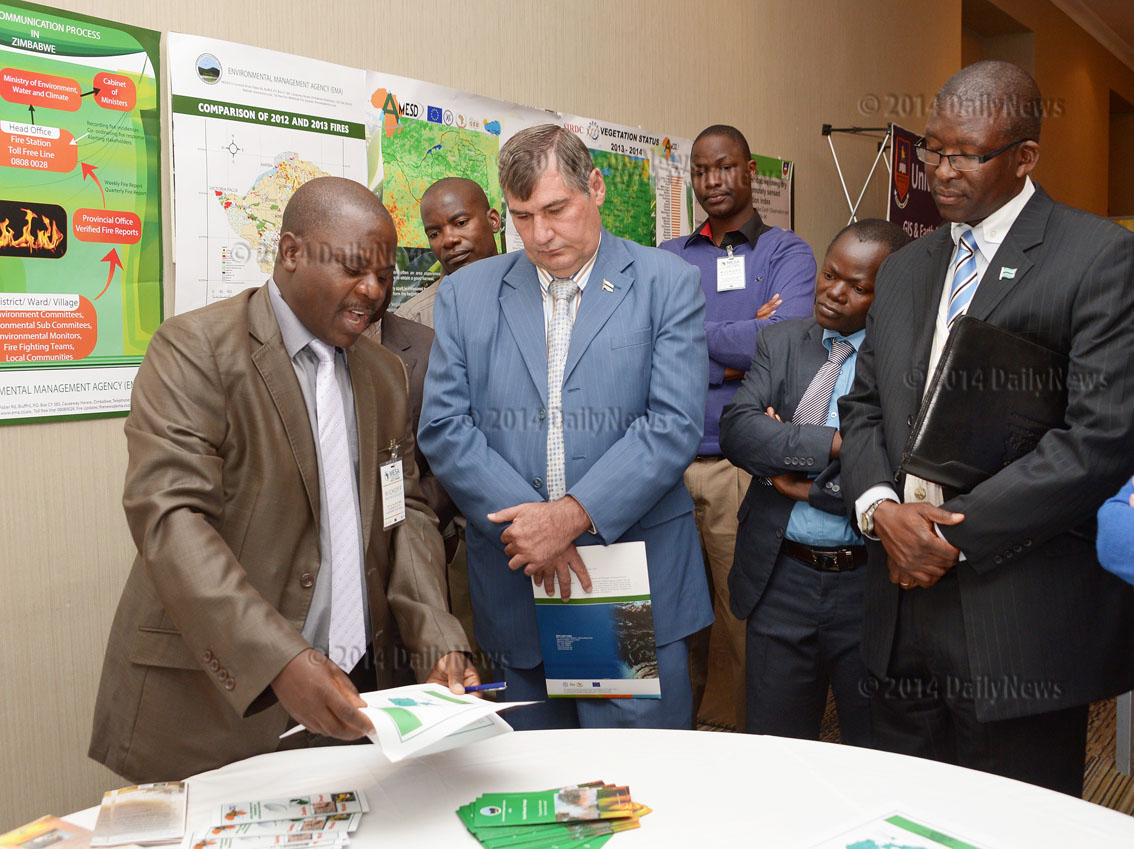
The report on Intergovernmental Panel on Climate Change (IPCC) published in April 2014 has stated that the world should expect frequent extreme climate related events, says Minister of Agriculture Mr Christiaan De Graaff.
Speaking at the Monitoring for Environment and Security in Africa (MESA) kick-off workshop, Mr De Graaff said such climate related events included heat waves, drought, floods, cyclones and wildfires.
Mr De Graaff said the impact of these events was expected to bring alterations to ecosystems, disrupt food production and water supplies around the world ultimately affecting human well-being.
The SADC region and the continent at large, he said, was vulnerable to many of these climate related environmental problems due to the fact that large shares or its economies and the people depends on climate sensitive activities such as agriculture.
He said in the last 30 years, 70 per cent of the worst drought disasters in the world took place in Sub-Saharan Africa and flood mortality risk is still increasing consistently in Africa despite a downward global trend.
“While we may not be is a position to prevent these events from occurring, we should however, make sure that their impact and effects are minimized by being prepared by continuously monitoring the state of our environment,” he said.
He noted that this could also be achieved by having appropriate policies and contingency plans in place to reduce risk and vulnerability of the populace at the same time mitigating the effects of such disasters.
Mr De Graaff observed that MESA provides the capacity to monitor the state of the environment and that it is an initiative between the European Union, Africa, the Caribbean and the Pacific States in the framework of the Cotonou Agreement which was signed in 2000 and updated in 2010.
The security of the project, he said, refers to protection of the population and the environment against natural threats such as flooding, wildfires, drought and land degradation at the same time underlining the link between environmental management and well-being of the people.
He also said that the project reliance on proven satellite and land based monitoring technologies is consistent with the Joint Africa-EU Strategy (JAES) 8th Partnership on science, information society and space. The objectives of the workshop was to support African decision makers and planners in designing, implementing policies and development plans towards sustainable development thereby advancing the socio-economic progress and well-being of African population towards achievement of the Millennium Development Goals.
Other objectives include underscoring the role of beneficiary institutions, discussing and agreeing on implementation set-up, introduce implementation co-beneficiary institutions and introduce MESA implementation phase to beneficiary institutions.
One of the objectives was to recall achievements of the African Monitoring of the Environment for Sustainable Development (AMESD).
Coordinator of MESA Project, Dr Jolly Wasambo, said that the region is addressing the real needs of the populations while also contributing to the overall continental agenda.
He said the MESA Project that is officially kicking off in SADC, is a continuation of the African Monitoring of the Environment for Sustainable Development (AMESD) Project and the project aims to increase the information management, decision-making and planning capacity of African continental, regional and national institutions mandated for environment, climate, food security and related responsibilities by enhancing access to, and exploitation of, relevant Earth Observation (EO) applications in Africa.
“As we celebrate the successes of AMESD, which SADC performed acceptably well, our AMESD experiences may, also lead us to identifying some deficiencies which need addressing during the implementation of MESA,” he said.
Dr Wasambo said at an African Continental level, MESA is an important tool for implementing critical strategies such as the Integrated African Strategy of Meteorology (Weather and Climate Services), the African Strategy on Disaster Risk Reduction and others.
On the other hand, he said, MESA should be able to contribute towards socio-economic development, peace and stability in the region by achieving the policy and decision-making processes and contributing to the reporting on national and regional reporting on progress on environmental treaties and conventions. He said the other achievement would include influencing development planning in our respective countries and contribute to Africa’s involvement in global environmental surveillance and governance.
While enhancing the capacities of product producers and information providers, he said, the region should not lose site of the users at different levels such as policy and decision makers, practitioners, as well as the grass-root level adding that this is a call to providing products and services which are well targeted. ENDS
Source : BOPA
Author : Goweditswe Kome
Location : GABORONE
Event : MESA workshop
Date : 15 Jul 2014
Related News
18 Jun 2026
18 Jun 2026
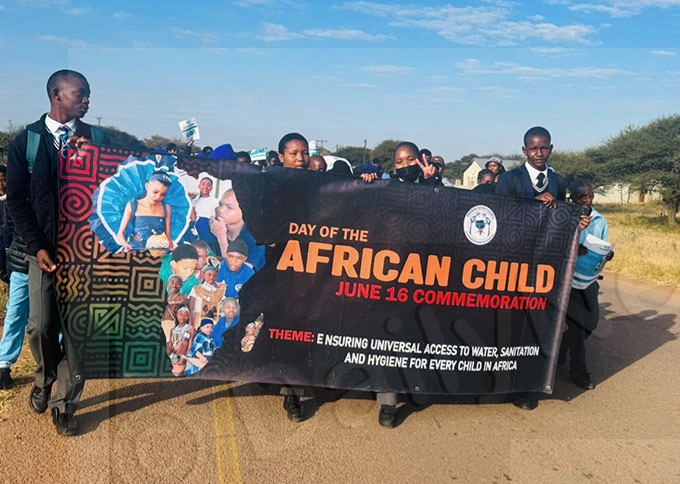
Learners commemorate Day of the African Child
18 Jun 2026
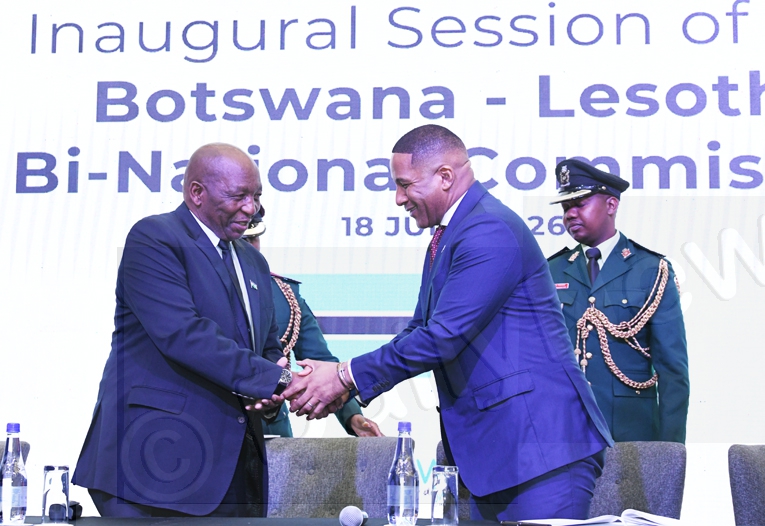
LESABO project to address water scarcity

18 Jun 2026