

Environment ministry launches Bio-Chobe project
13 Jul 2014
The Bio-Chobe project was this week launched to mitigate increasing threats to bio-diversity around Chobe including climate change and poaching.
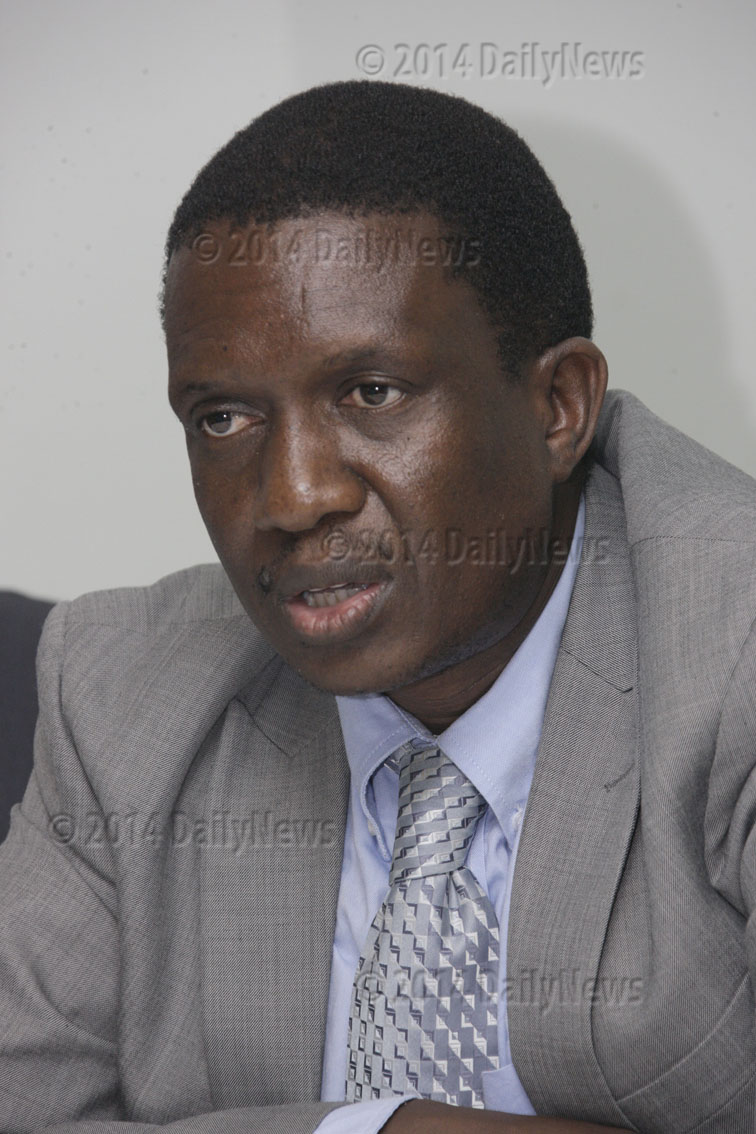
The deputy permanent secretary in the Ministry of Environment, Wildlife and Tourism, Mr Jimmy Opelo, said the Bio-Chobe project was aimed at environmental conservation and social upliftment of the community of Chobe.
Mr Opelo said in the past, the Chobe District had threats to biodiversity in the Chobe-Kwando-Linyanti matrix. “This project therefore seeks to strengthen protected area management within this matrix and reduce threats to biodiversity in the buffer zone,” he said.
He said the project also sought to put in place measures to ensure that land use in sensitive areas adjacent to the Chobe National Park and forest reserves were compatible with biodiversity conservation aims.
Mr Khulekani Mpofu, the chief natural resources officer in the Department Environmental Affairs, identified factors such as high populations of elephant, habitat destruction and habitat conversion and over collection of wild species as threats to bio diversity.
A senior wildlife biologist, Mr Ernest Madimabe, noted that conflicting land uses between government agencies also plays a role in threats to biodiversity as land allocation is sometimes carried out across wildlife corridors.
Sand and gravel mining and harvesting of veldt products such as fuel wood and thatching grass were identified as threats to the area’s forest reserves.
“Forests are also a hideout for poachers and illegal hunting activities,” noted a senior forest and range resources officer, Mr Tawana Maunganidze.
Frequent wild land fire outbreaks, especially between May and November each year are a source of concern to bio-diversity.
Expected project outcomes of Bio-Chobe include collaborative governance framework in place in protected areas and buffer zones resulting in reduced threats to biodiversity and economic growth. Strengthening management effectiveness and financial sustainability in core protected areas to address existing and emerging threats to biodiversity.
The project amounts to US$D10.8 million, out of which US$ 1.8 million comes from the Global environment Facility, US$250,000 from UNDP.
The remainder, US$D 8.7 million will come from partners that include the Department Forestry Range and Resources, the Department of Wildlife and National Parks, Kwando Safaris, the University of Botswana and the Botswana College of Agriculture.
The Bio-Chobe project will run from this year to 2017. ENDS
Source : BOPA
Author : Ludo Chube
Location : KASANE
Event : Bio-Chobe project launch
Date : 13 Jul 2014
Related News

21 Jun 2026

18 Jun 2026
Commission targets youth empowerment
18 Jun 2026
Countries commit to partnership

18 Jun 2026