

Education must be meaningful - Lebakeng
17 Jun 2014
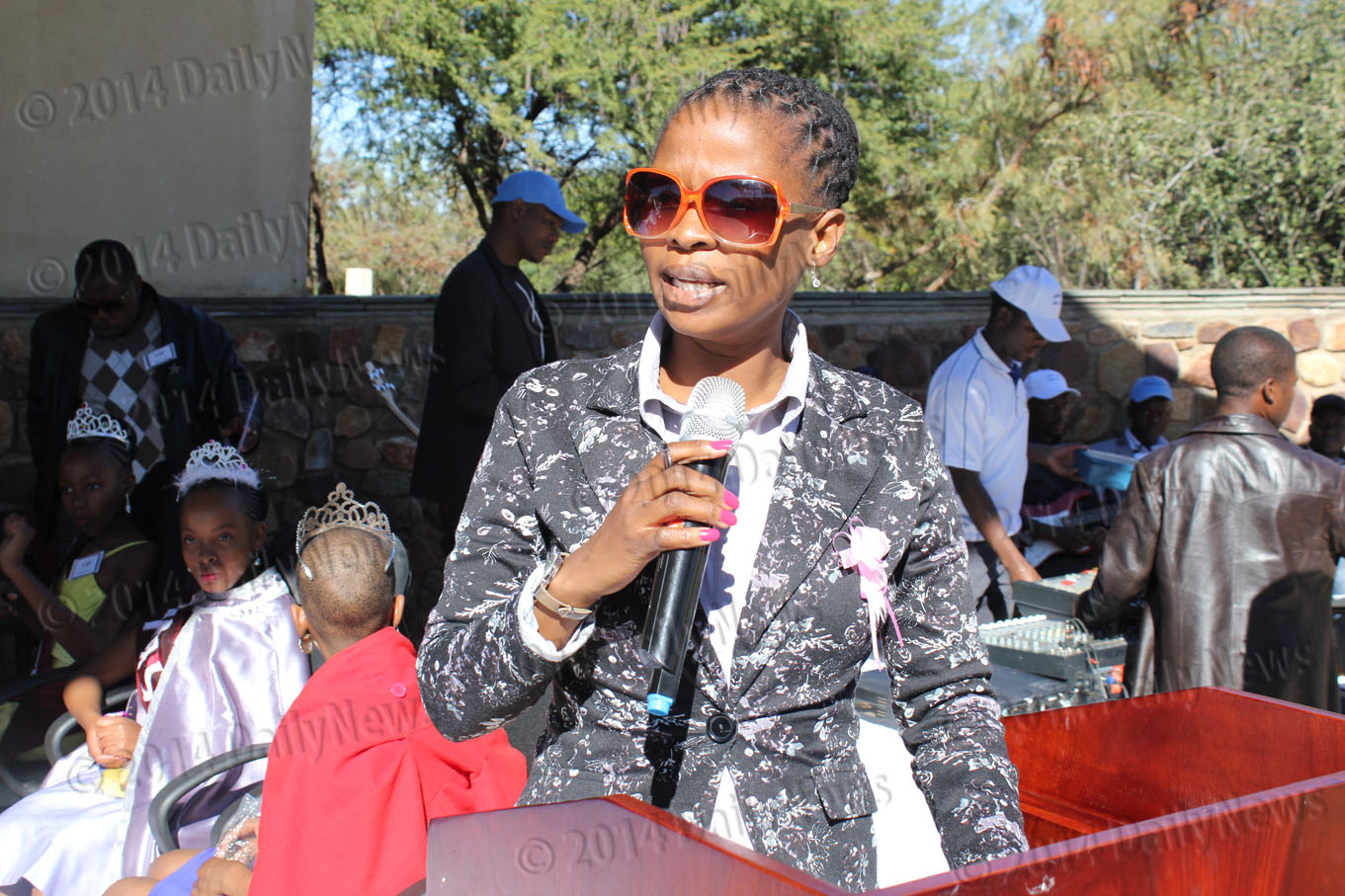
The recipe for better education to take place involves a four pronged relationship that includes a willing government, a teacher, a parent and a willing student, says Lobatse chief magistrate, Ms Cele Lebakeng.
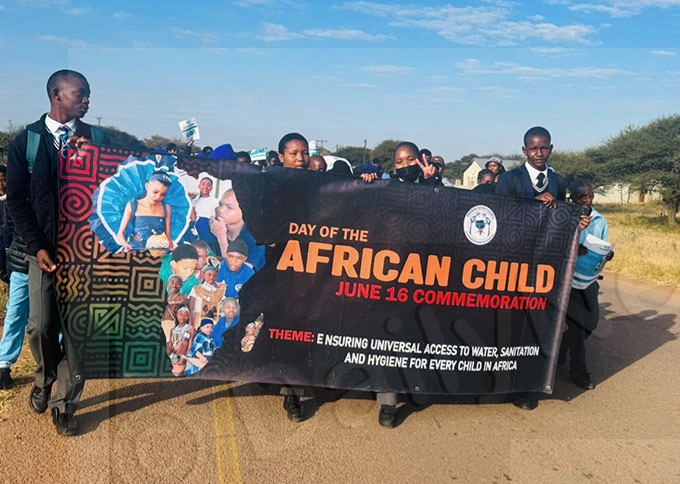
Speaking at the commemoration of the Day of the African Child in Lobatse, Ms Lebakeng said education had to be meaningful and complement children’s strengths and capabilities.
She said it was important for teachers to be adequately trained and equipped with the necessary know-how and skills for them to cascade the same to students.
She added that promotion of early childhood care and education had to be emphasised so that children graduate and be absorbed into the work market or become entrepreneurs.
“Advocating for greater involvement of all stakeholders, especially parents and guardians, in the attainment of the best education for the children is always emphasised,” she said.
She added that very child has a right to education, according to Article 11 of the African Charter on the Right and Welfare of the Child (ACRWC), to which Botswana is a signatory. At the same time, Ms Lebakeng said, Section 18 of Children’s Act makes provision that every child shall have a right to free basic education, such that primary education must be made compulsory.
She added that schools should be free of charge for low income families and at least affordable to ordinary families.
She also urged all stakeholders to ensure that children do not only attend school but also complete the basic primary curriculum. “Much as this day is about the African child, it is worth noting that these rights come with corresponding responsibilities that are expected from the African child.
The African child is expected to embrace learning and to fully participate in the full realisation of their right to education. The African child is not to be associated with juvenile delinquency, Satanism, misconduct drug and alcohol abuse,” she said.
She added that in Botswana, the Ministry of Education and Skills Development (MoESD) has made tremendous progress in promoting child friendly education for all. She said the ministry has set up an educational curriculum in schools that is suitable for children at different levels of education from early primary, basic education right up to form five for an easier and comprehensive learning.
Ms Lebakeng explained that with child friendly education for all children in Africa, schools should have the best infrastructure, readily available materials, easily accessible and not far from where students live. She added that there should be assurance that specific curriculum fits a corresponding age of the students.
The theme of the day’s celebration was, A child friendly, quality, free and compulsory education for all children in Africa. For her part, the coordinator of the Day of the African Child, Ms Mokgarebe Mokopakgosi, said that the objectives of the day was to assess progress made by Botswana in attainment of child friendly, quality, free and compulsory education and highlight achievements and challenges in the realisation of the children’s right to education in Botswana.
She said the other objective was to advocate for greater involvement of stakeholders in the attainment of a child friendly, free and compulsory basic education for all children. “We also wanted to educate the public on existing laws and policies that address the children’s right to education and encourage child participation in the realisation of their right to education.
The day also aimed at advocating for deliberate action towards fulfillment of the right to education for special groups of children such as children with disabilities and other vulnerable children,” she said. ENDS
Source : BOPA
Author : BOPA
Location : LOBATSE
Event : Day of the African Child
Date : 17 Jun 2014
Related News

21 Jun 2026

18 Jun 2026
Commission targets youth empowerment
18 Jun 2026
Countries commit to partnership
18 Jun 2026