

NTDs cases below WHO threshold
05 Jun 2014
An official in the Ministry of Health says the country annually reports six cases of leprosy, which is mainly concentrated in the north western parts of the country.
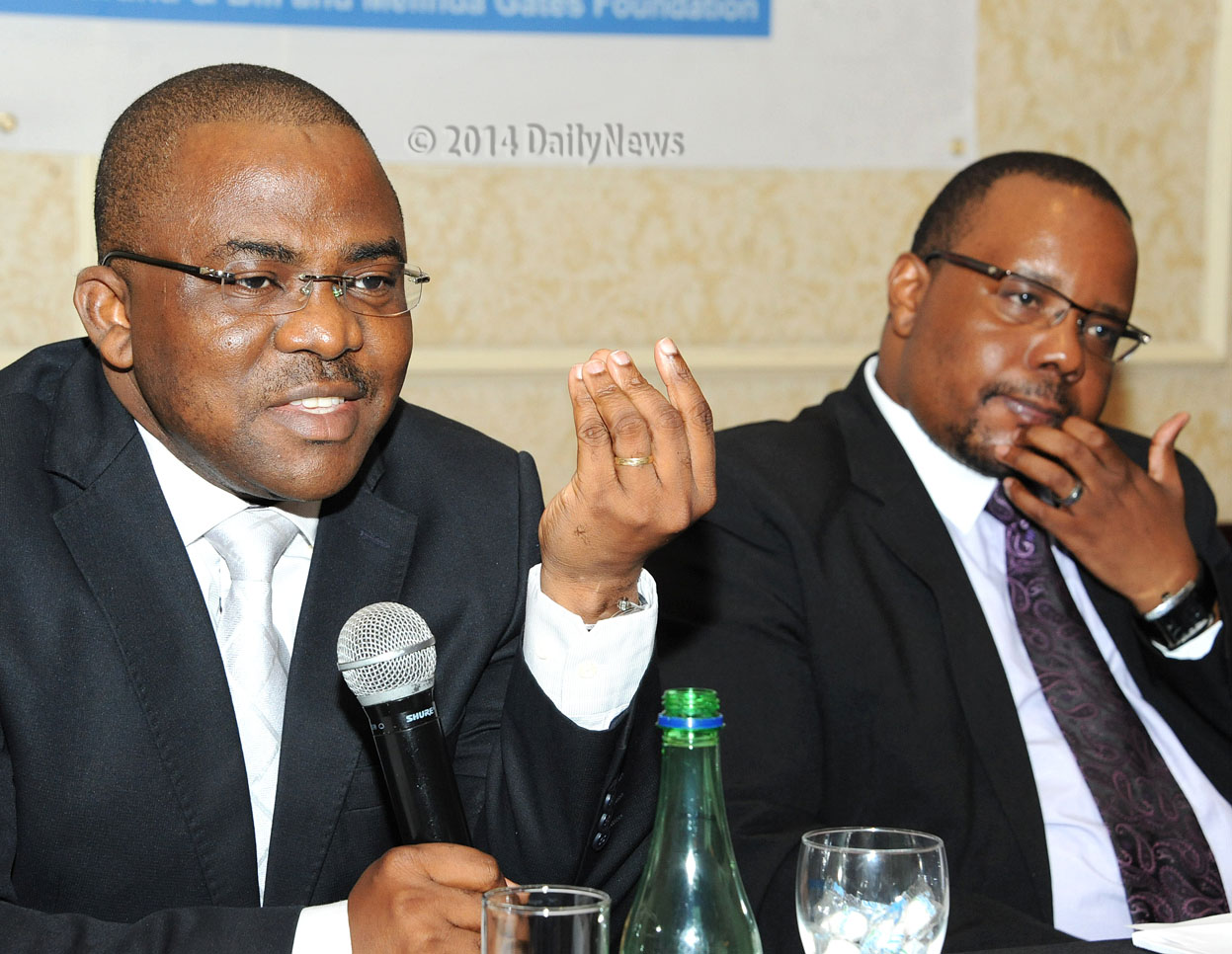
Briefing the press on Neglected Tropical Diseases (NTDs) on behalf of the ministry’s permanent secretary, chief health officer in the child health division, Ms Ndibo Monyatsi said the number of cases was well below the World Health Organisation (WHO) threshold of one case in 100 000 population.
“Overall available evidence suggests that Botswana may not have a huge burden of NTDs,” she said, adding that there was need to recognise disease prevalence as well as its geographic distribution.
She said recognition was the first step in planning effective intervention measures, hence having a workshop regarding NTDs and had been running from June 2-6. She indicated that part of the workshop is to begin the process to determine the exact burden and distribution of NTDs that are amendable to mass treatment.
“Botswana and other countries within this sub-region need to pay more attention to NTDs and harmonise efforts for their assessment, scale up of intervention measures, and to monitoring and evaluation of control activities to ensure that elimination is achieved in line with global and regional resolutions,” Ms Monyatsi said.
She further said the ministry wished to align with the efforts of WHO to develop and implement integrated approaches to mapping and interventions, allowing countries with multiple diseases to maximize effectiveness of the limited human, financial and other resources available to them.
For his part, Acting WHO Country Representative, Dr Tebogo Madidimalo said his organization is committed to supporting countries accelerate interventions for the control, eradication and elimination of NTDs in line with the WHA and AFRO RC resolutions of 2013.
He said NTDs have collectively caused untold hardship and misery to millions of people globally but especially in sub-Saharan Africa.
“These diseases debilitate, blind or maim, and permanently curtail human potentials,” he said, adding that they also impair childhood growth, intellectual development and educational outcomes.
He said the diseases thrive where there is abject poverty, poor sanitation, living under sub-optimal conditions and lack of access to clean water supply.
Dr Adiele Onyeze, WHO representative in Africa said African countries signed a resolution on September 2013 calling for the eradication of NTDs by 2020.
“These diseases include river blindness (onchocerciasis), elephantiasis (lymphatic filariasis), trachoma, intestinal worms (soil transmitted helminthes) and the disease that causes blood in urine (schistosomiasis). Others include leprosy, sleeping sickness, buruli ulcer, leshmaniasis and guineaworm,” he said.
Dr Onyeze said it is estimated that over 1 billion people, one-sixth of the world’s population, including an estimated 800 million children in 149 countries suffer from one or more of these diseases and majority of these people live in sub-Saharan Africa. Ends
Source : BOPA
Author : Omphile Ntakhwana
Location : GABORONE
Event : Press conference
Date : 05 Jun 2014
Related News
21 Jun 2026


18 Jun 2026
Commission targets youth empowerment

18 Jun 2026
Countries commit to partnership
18 Jun 2026