

Diabetic retinopathy accounts for 5 of blindness
19 May 2014
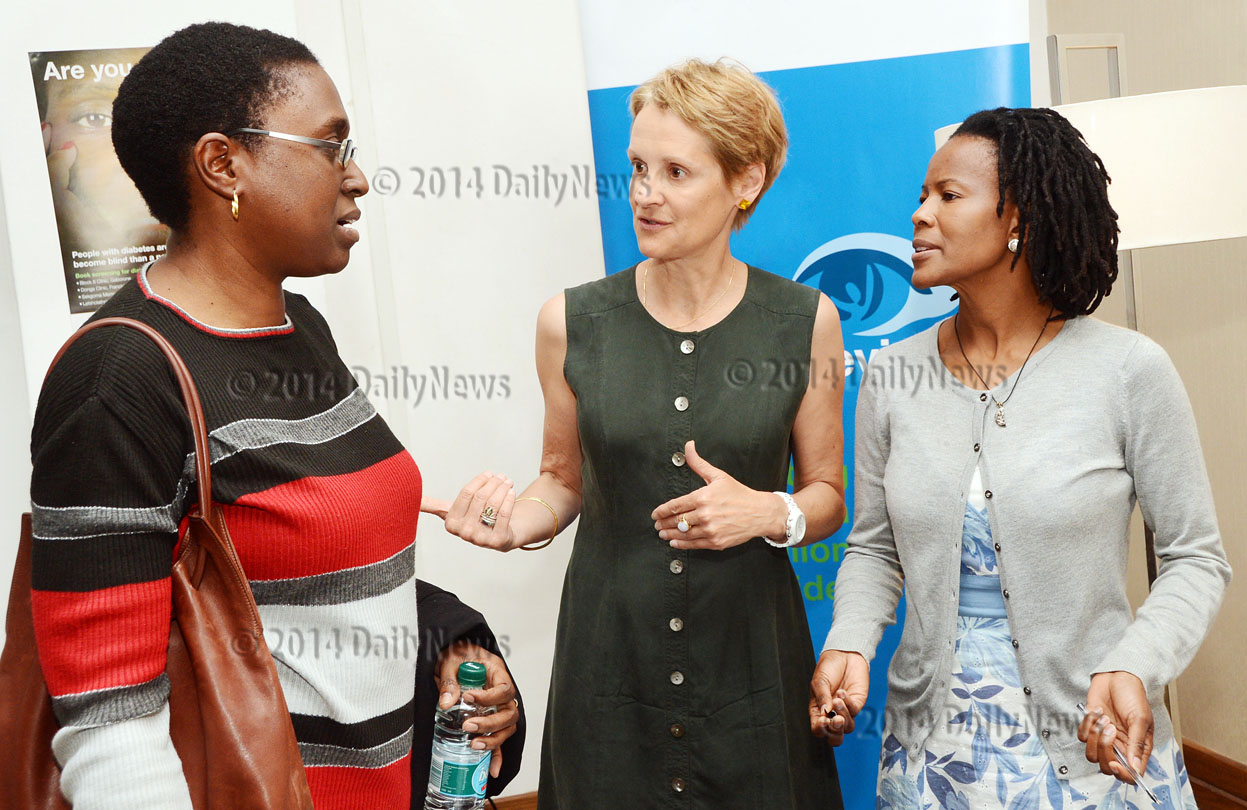
Diabetic retinopathy (DR) is said to account for approximately five per cent of preventable blindness globally, Oxford Eye Hospital ophthalmologist, Dr Consuela Moorman has said.
Dr Moorman said this when presenting about the importance of screening for DR during a seminar organised by the Ministry of Health and Addenbrookes Abroad.
She said there was a group of eye problems that people with diabetes might face as a complication of diabetes. All these, she said, could cause severe vision loss or even blindness.
Therefore, she said since all people with diabetes, both type one and type two, were at risk, they should get a comprehensive dilated eye exam at least once a year.
“The longer someone has diabetes, the more likely they will get diabetic retinopathy,” said the ophthalmologist. For that reason, she said the screening was important for timely interventions as it would help to identify the DR and treat it before patients lost their vision and went blind.
“Screening is not an option. It is essential, because visual is fundamental to the quality of life. So, the whole purpose of screening is to encourage people to come for treatment before it’s too late,” she added.
Eye diseases, Dr Moorman said, included; DR, which is a damage to the blood vessels in the retina, Cataract, which is the clouding of the eye’s lens and Glaucoma, which is an increase in fluid pressure inside the eye that leads to optic nerve damage and loss of vision.
In Botswana, she said DR was thought to account for 20 per cent of visual impairment. Therefore, since DR was known to have a profound effect on the vision, she said it was important for diabetes patients to be encouraged to have their eyes regularly screened.
For her part, Block 6 Clinic ophthalmic nurse, Ms Pearl Mbulawa, said as per a study that was done in 2007, it had been established that DR was amongst the five leading causes of avoidable blindness in Botswana.
Therefore, she said in an effort to fight this preventable blindness in diabetes patients, the Diabetes Centre for Excellence was established in April 2011.
Currently, she said there were four screening centres in Botswana at; Letsholathebe Memorial Hospital in Maun, Donga Diabetic Clinic in Francistown, Sekgoma Memorial Hospital in Serowe, and Block 6 Clinic in Gaborone.
Through the seminar, she said they wanted to increase awareness, amongst all health practitioners about the screening services so that they could share the knowledge with their diabetic patients and encourage them to go for screening in order to prevent blindness.
The seminar, which was attended by specialist diabetic physicians and nurses, family doctors or general practitioners and eye care professionals from DR screening sites, also provided an opportunity to educate health workers and promote the newly established DR Screening Services (DRSS).
The discussions were mainly on how diabetes affects the eye, the importance of screening for DR and treatment of DR. The event was part of the efforts of a project called: ‘]Pono Letlotlo’, which entails the provision of expert training, advice and support to ophthalmic staff by short and long term Technical Advisors, as well as the establishment of a vision centre which was launched in Serowe during the World Sight Day national commemoration in 2013.
Pono Letlotlo project began in 2013 after the Standard Chartered Bank, through its flagship community programme called ‘Seeing is Believing’, entered into a three-year partnership with the Ministry of Health and Addenbrookes Abroad to improve and develop services to prevent blindness and low vision amongst those with diabetes, children and people suffering from refractive error. Ends
Source : BOPA
Author : Lorato Gaofise
Location : GABORONE
Event : Seminar
Date : 19 May 2014
Related News

08 May 2026

07 May 2026
Kagame wraps visit with DTCB tour
07 May 2026
BURS donates nine chain saws
07 May 2026
Donation boosts primary schools in Gaborone
07 May 2026