

Emergency Medical Care way to go
18 May 2014
Emergency Medical Care (EMC) can contribute positively to the functions of health system by responding to the people’s health expectations and providing financial protection against costs of ill-health.
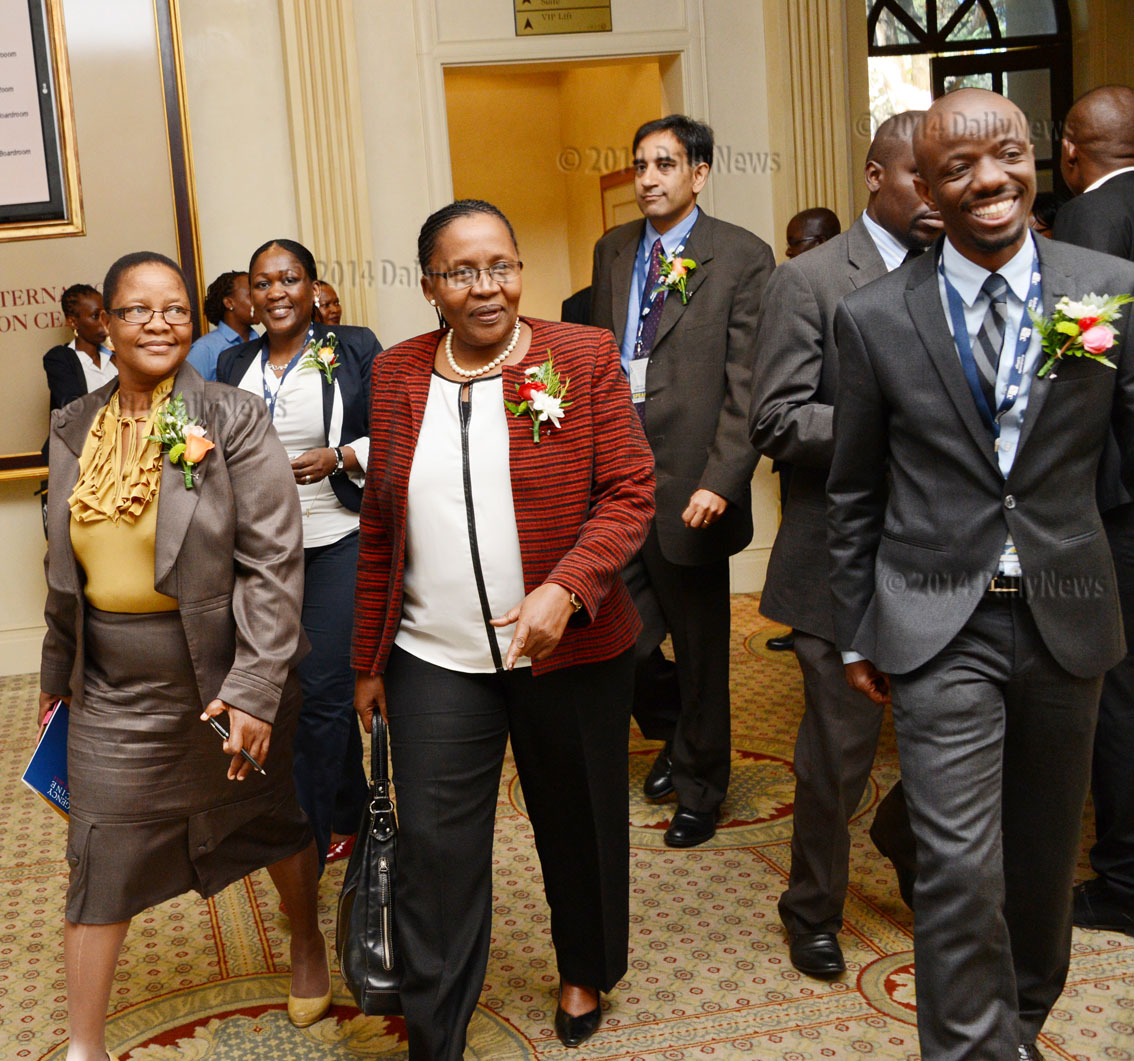
Officiating at a two-day Emergency Medicine Conference hosted by Boitekanelo College in Gaborone on May 15, the acting Minister of Health, Dr Gloria Somolekae told delegates that emergency medical care also had the potential to assist Botswana to meet the targets of the Millennium Development Goals (GMDs) because emergency medical care systems resources and processes might address some of the problems.
Dr Somolekae, however, noted that her ministry had responded to the burden of trauma and emergencies by introducing the public Emergency Medical Service Unit (EMU) and its roll started in Gaborone before being extended to Mahalapye and Francistown.
The facilities, she said, had ambulance dispatched centres, which members of the public could contact to access emergency medical service and they have fully equipped ambulances to respond to medical emergencies.
“As government, we understand the importance of having trained and qualified personnel in emergency medical care. In this regard, my ministry has made a deliberate decision to identify deserving health professionals to undergo specialised training in emergency medicine.
Such efforts are a clear indication that we treat emergency medicine with the seriousness it deserves,” she said. Dr Somolekae said the value of institutions such as Boitekanelo College therefore cannot be over emphasised, noting that they were grateful as a nation that Boitekanelo College has introduced emergency medical programmes.
This, she added, would create necessary skills required by professionals in this country.Furthermore, Dr Somolekae noted, the government of Botswana has recently appointed a task force to draft a Policy on Emergency Medical Services.
According to Macfarlane and others (2000 report), global health policy emphasised multiple vertical oriented programmes that concentrated on maternal and child health and the control of communicable diseases.
This, she said led to major public health agencies focusing their support on selective programmes that address priority diseases and activities.
The acting minister acknowledged the approach has created a health care gap resulting in emergency medical care not being integrated into the national health care systems, except for a few countries.She said due to health challenges and priorities in many Southern African countries, not enough resources are dedicated to the strengthening of emergency and trauma care, and this becomes a challenge when there is a medical emergency, including instances where there are incidents involving large numbers of casualties.
This conference was held under the theme, “Setting the Agenda in Emergency Medicine in the Southern African Region,” comes at the relevant time and it is a significant milestone in the development of health care services, especially emergency medicine in Botswana and the rest of southern Africa.In many countries, Botswana included, emergency care, especially pre-hospital care is provided by health professionals who possess limited formal training in this field.Other participating countries in this conference include; South Africa, Zambia, Swaziland, Lesotho and Namibia. ENDS
Source : BOPA
Author : Benjamin Shapi
Location : GABORONE -
Event : Emergency Medicine Conference
Date : 18 May 2014
Related News
08 May 2026
07 May 2026
Kagame wraps visit with DTCB tour
07 May 2026
BURS donates nine chain saws
07 May 2026
Donation boosts primary schools in Gaborone
07 May 2026