

Botswana has no climate change policy
13 May 2014
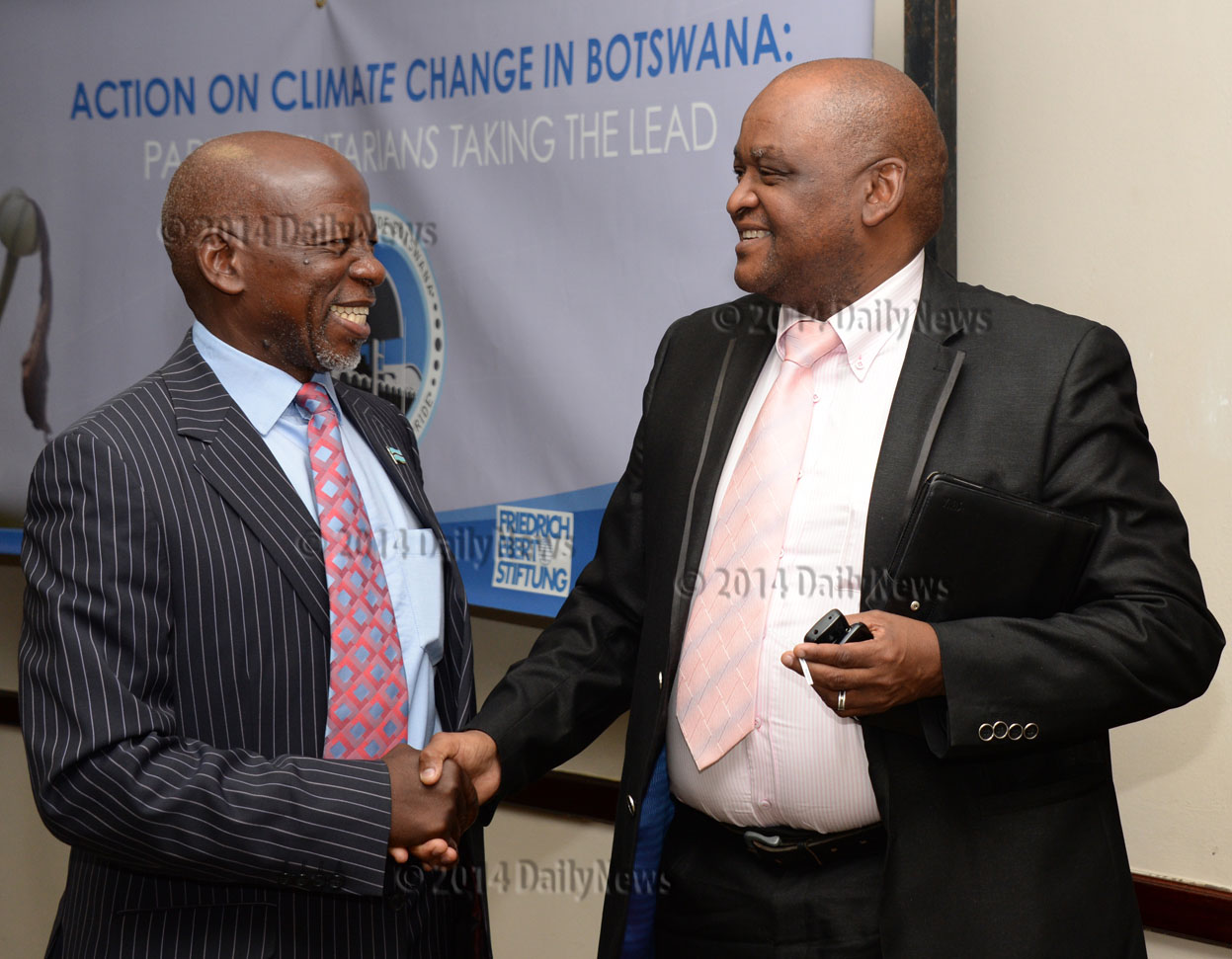
Botswana has no policy on climate change, according to Maun East MP, Mr Frank Ramsden.
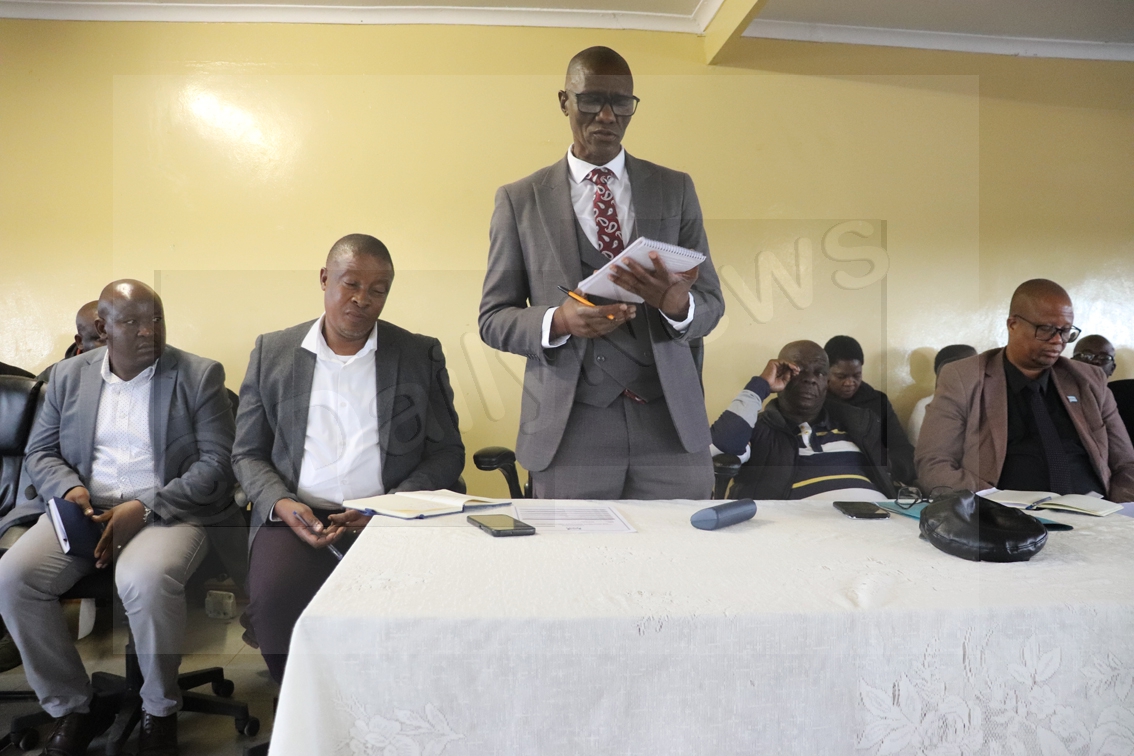
Mr Ramsden, who is also chairperson of portfolio committee on wildlife, tourism and natural resources, climate, agriculture and lands and housing, was speaking at a two-day workshop on climate change on May 12.
He said the country also had no adaptation and mitigation strategy to support and direct all good efforts. He therefore called on legislators to prioritise policy development and bring it for consultation, ownership and ultimately enactment and implementation.
Mr Ramsden explained that climate change challenges were numerous, majorly amongst them was the low of awareness amongst decision makers such as Parliamentarians.
He said this was because climate change had been given a low priority due to lack of finances despite climate change catastrophes occurring in their constituencies.
Mr Ramsden explained that development planning responses played an important role in addressing these challenges and integrating climate change resilience into these responses, was fast emerging as a policy agenda item.
He said Botswana had made significant strides in human development but the country should also take a new course that recognised and addressed the threats posed by climate change and develop a sustainable approach towards development.
He explained that the national water master plan, the coal development roadmap, tourism development and diversification must all resonate with sustainability while addressing the eminent threat and opportunities of climate change.
Another member of the committee and MP for Kweneng East, Major General Moeng Pheto also took a swipe on major contributors to the effects of climate change for considering pulling out of the Kyoto Protocol of 1997 adding that some of these countries refused to sign for the Protocol.
He said Parliamentarians could shape national climate policy and fill the important gaps between the global, national and local levels. He said identifying national development priority issues relevant to climate change needed to be understood and highlighted across sectors, including the underlying cause of vulnerability.
The MP explained that land degradation and natural resources management have been identified as adequate vehicles for addressing climate change, as they tackle problems of livelihoods, vulnerability and resilience.
He said water resource management issues can constitute priorities for governments, particularly in sub-Sahara countries like Botswana and the sector can open up opportunities for mainstreaming climate change adaptation, aimed at achieving development objectives such as increased water efficiency and productivity. Ends
Source : BOPA
Author : Thamani Shabani
Location : GABORONE
Event : Climate change workshop
Date : 13 May 2014
Related News
08 May 2026

07 May 2026
Kagame wraps visit with DTCB tour
07 May 2026
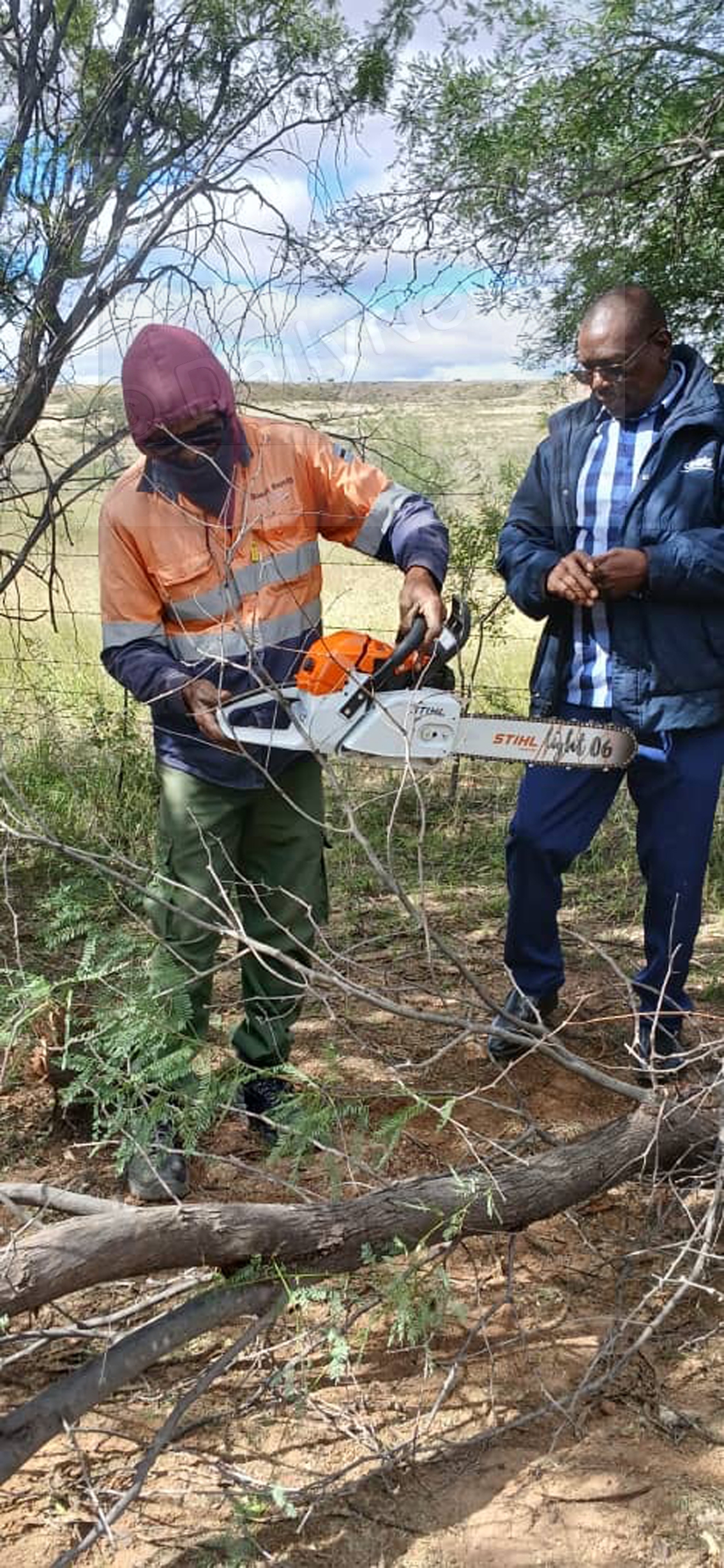
BURS donates nine chain saws
07 May 2026
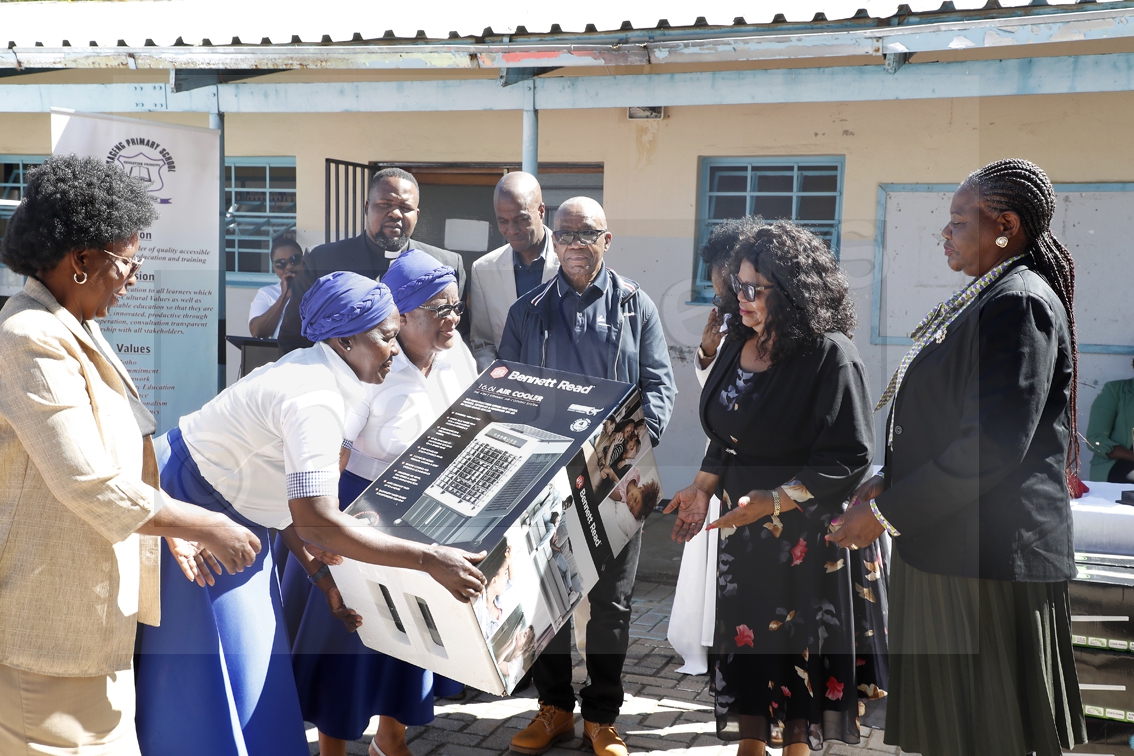
Donation boosts primary schools in Gaborone
07 May 2026