

Research critical to food security
07 May 2014
There can be no food security in Africa without the embrace of agricultural research and innovative policies.
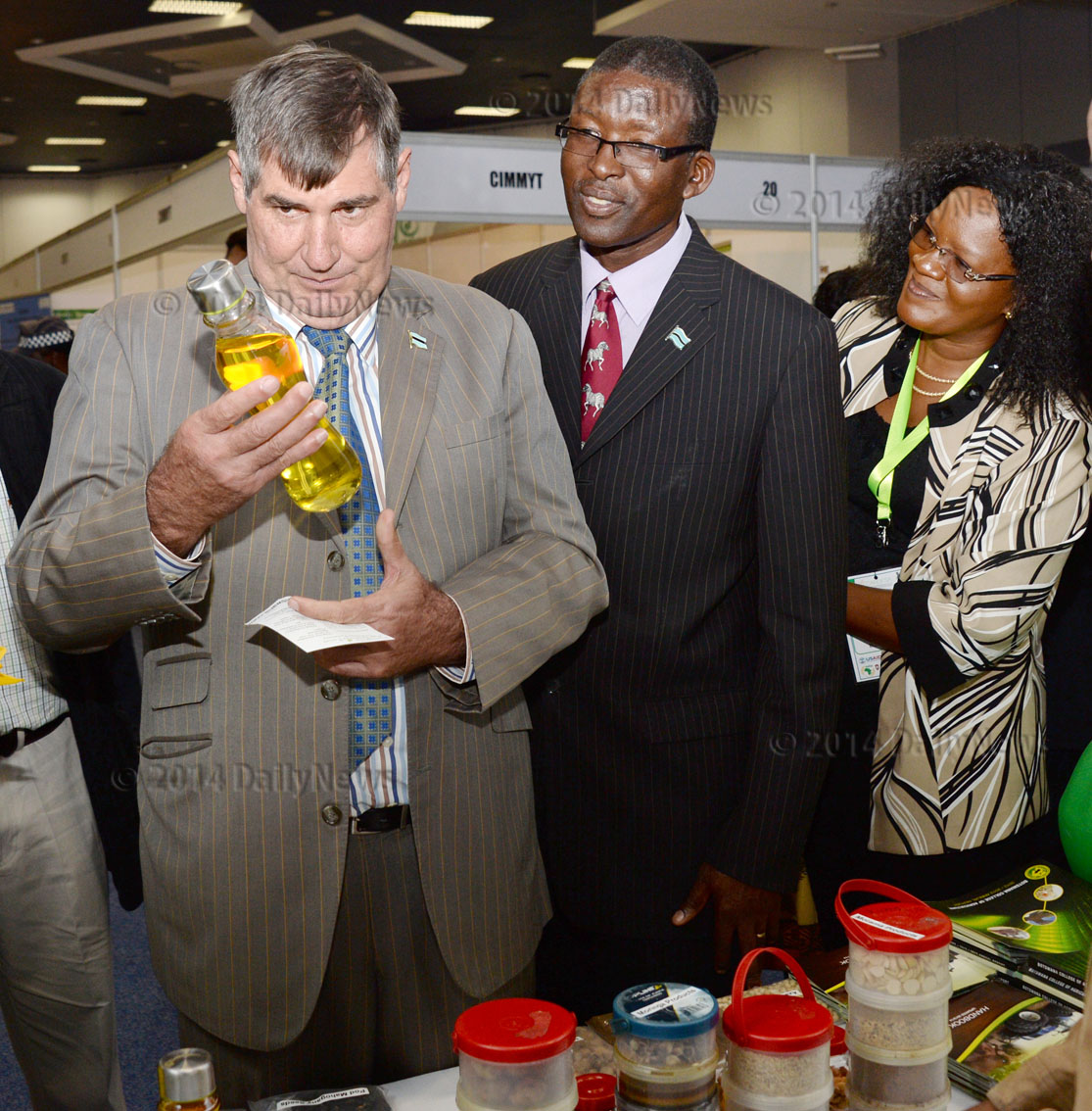
Officiating at a two-day Centre for Coordination of Agricultural Research and Development for Southern Africa (CCARDESA) General Assembly on Tuesday May 6, Minister of Agriculture, Mr Christiaan de Graaff said the global population is growing and it brings with it enormous challenges to produce enough food to feed the ever increasing human race.
The global population which is currently estimated at over seven billion, he said, is expected to grow beyond nine billion by 2050. This, he said, will substantially increase the demand for food, thereby calling for innovative approaches to feed the ever growing population.
He said a larger population growth was expected to come mainly from developing countries, ‘which unfortunately lag behind in terms of agricultural productivity and also bear the highest burden of poverty’.
He said Sub-Saharan Africa is ranked second after Southern Asia among places where most of the world’s undernourished people are found.
Furthermore, he said Food Agriculture Organization (FAO) (2013) has estimated that one in every eight people on earth go to bed hungry each night, which translates to about 842 million people in the world who do not eat enough to be healthy.
Mr de Graaff added that FAO (2013) has also predicted that by 2050, more people will be pushed into hunger by climate change and erratic weather. In order to revive the situation, he said considerable research and development efforts would be required.
Therefore, convening of a forum dedicated to nurturing regional agricultural research and development structures for promoting food security is an important contribution towards achieving the Millennium Development Goal one of halving hunger by 2015, the Minister said.
Unfortunately, due to low investment in agricultural research and development, he said the majority of the low income countries are lagging behind in agricultural research and productivity. This, he said is the case despite observations that the investment is one of the most important requirements for improvement of agricultural production.
“We must do something to use all tools at our disposal to get it right for Southern African agriculture. The political commitments made at several fora to commit more resources to agriculture bring us hope towards uplifting our people from poverty,” he said.
The notion of regional cooperation in research and development, he said, is essential for Botswana because ‘we sincerely believe that having an effective CCARDESA presents the best opportunity to galvanise regional effort at harnessing some of the best research and development endeavours taking place in the region and beyond’.
Agriculture, Mr de Graaff said, is an important sector in the economy of Botswana and the rest of the region, especially as it provided employment and sustenance for rural areas, where the bulk of the people reside.
Therefore, he said the revitalisation of economies was intricately linked to the revitalisation of agriculture because the sector hold keys to addressing unemployment, food security and wealth creation for the people.
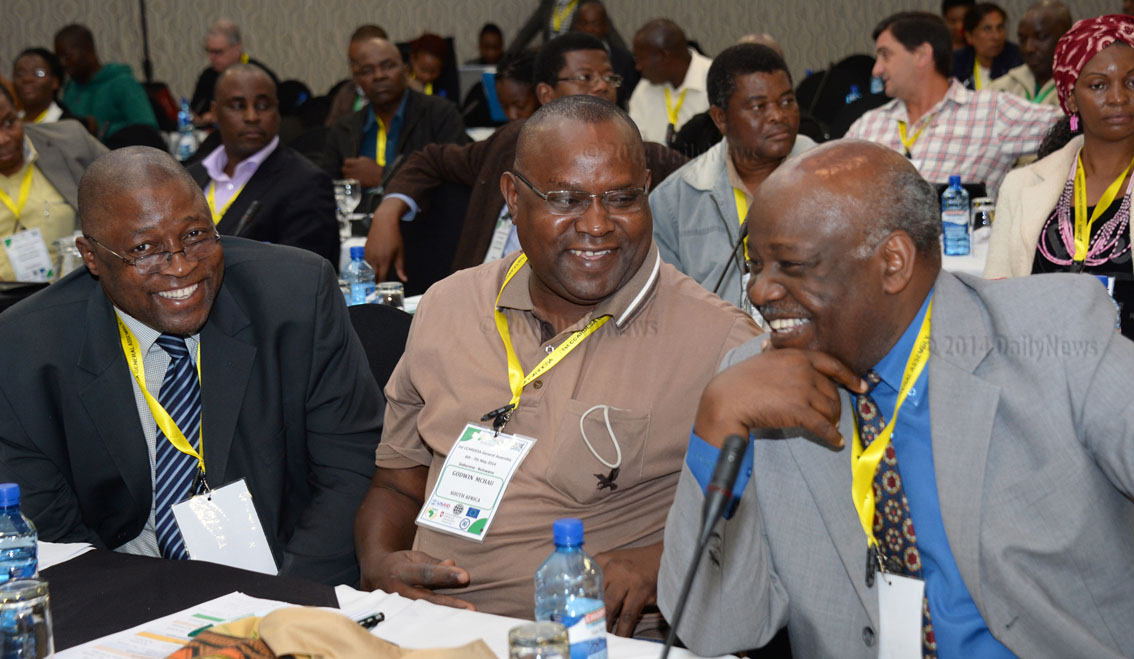
The General Assembly that was co-hosted by the CCARDESA Secretariat and the Botswana Ministry of Agriculture attracted over 150 delegates from SADC and beyond.
The delegates consisted of representatives of ministries of agriculture and food security, international and national agricultural research institutes and universities, farmers’ organisations, NGOs, the private sector and the development partners.
The inaugural General Assembly was held to provide an opportunity for regional research and development stakeholders to, among others, receive an update on progress made since the establishment of CCARDESA in July 2011 by SADC member states.
The meeting was also meant to review and endorse the CCARDESA Medium Term and Operational Plan (MTOP 2014 – 2018), to provide guidance on the governance related issues of CCARDESA as it was established to facilitate coordination and cooperation in agricultural research and development in the SADC region. Ends
Source : BOPA
Author : Lorato Gaofise
Location : GABORONE
Event : General Assembly
Date : 07 May 2014
Related News
08 May 2026
07 May 2026
Kagame wraps visit with DTCB tour
07 May 2026
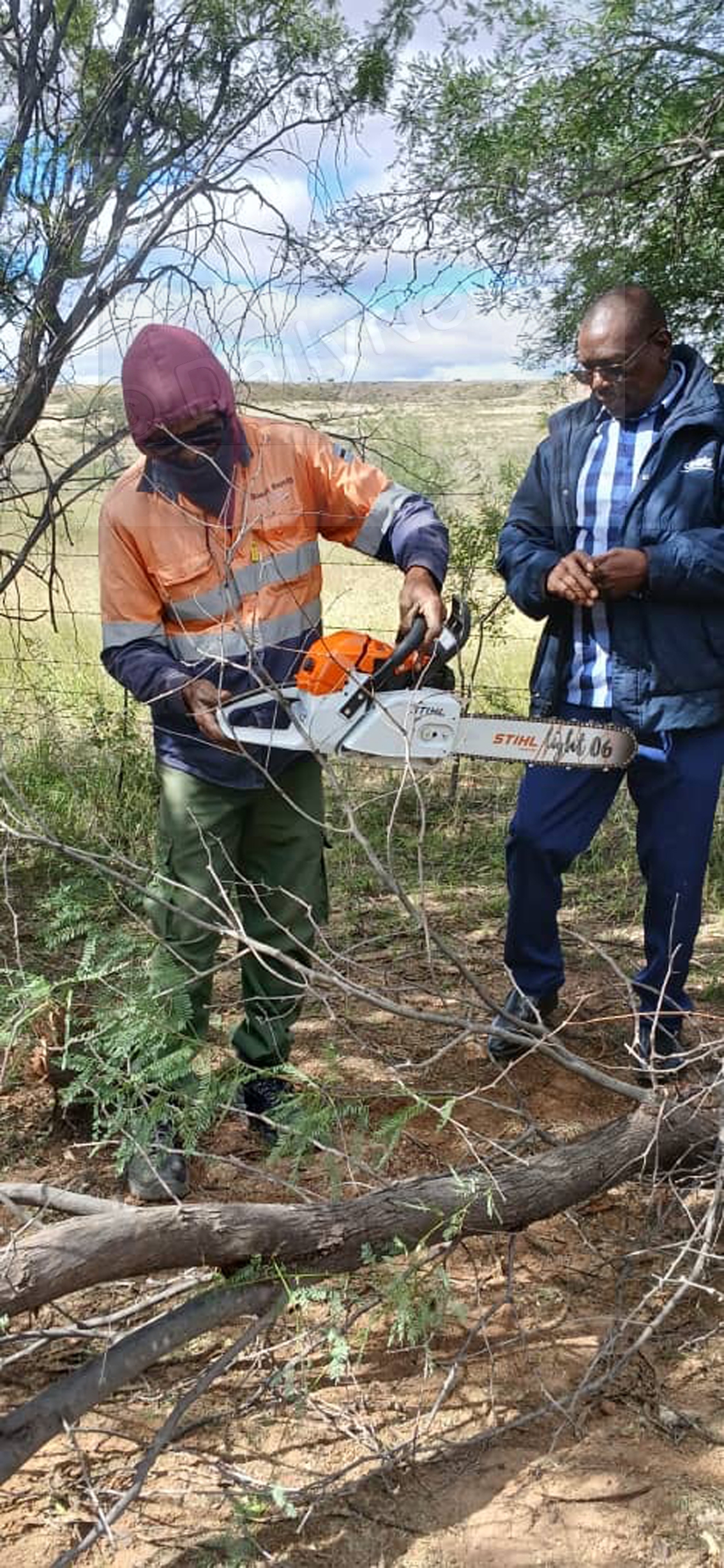
BURS donates nine chain saws
07 May 2026
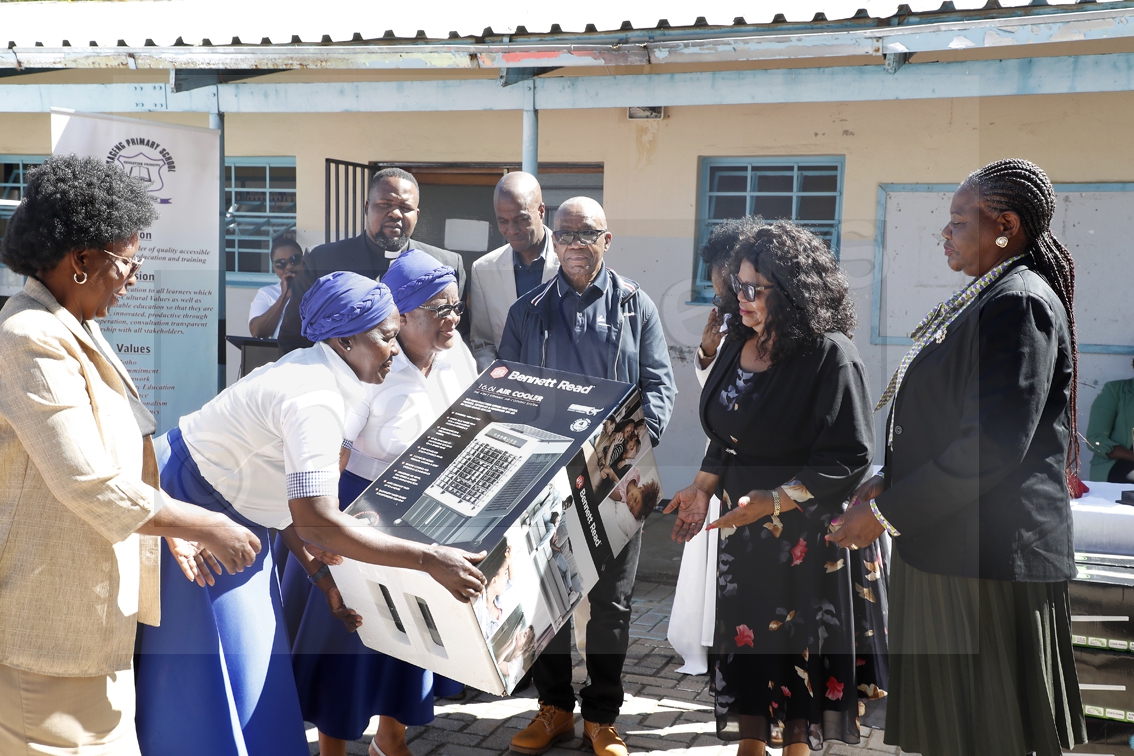
Donation boosts primary schools in Gaborone
07 May 2026