

Judicial independence key to rule of law
06 May 2014
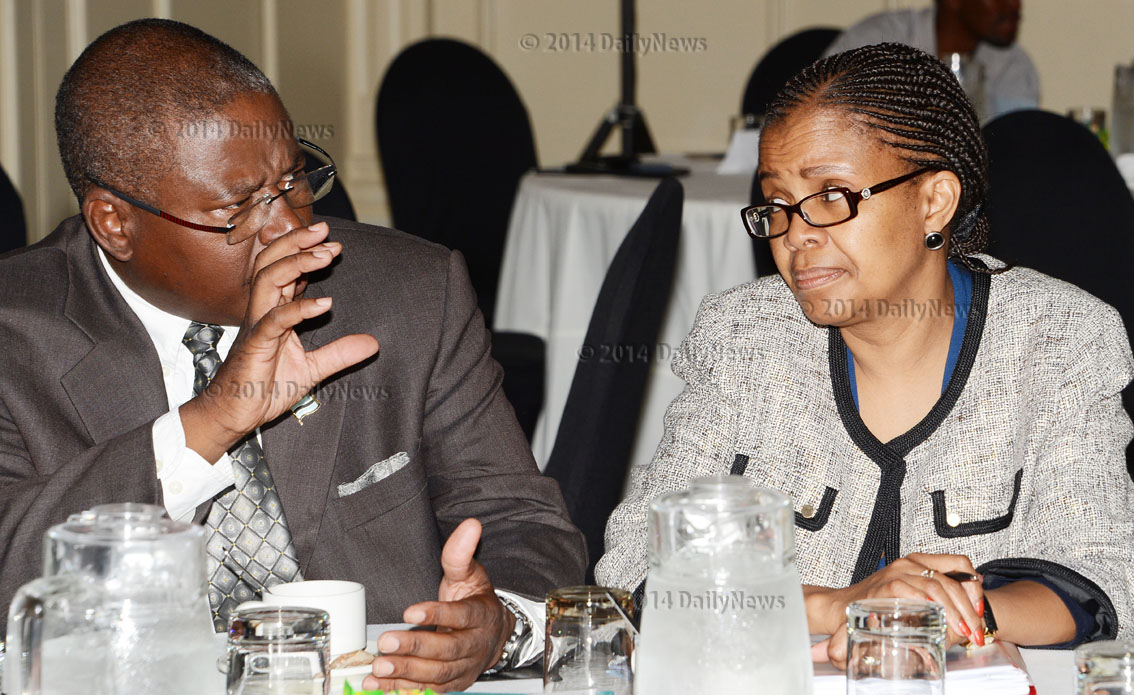
Judicial independence is the cornerstone of the rule of law, says Commonwealth deputy secretary general, Mrs Mmasekgoa Masire-Mwamba.
She said it was important that the best and most relevant assistance to enhance judicial ethics and capacity was availed to Commonwealth member states that required it.
Delivering opening remarks on May 5 at the Commonwealth Law Ministers Meeting (CLMM) in Gaborone, Mrs Masire-Mwamba said the meeting would also discuss a paper on modalities for civil society engagement with law ministers.
She noted that these issues came before law ministers in previous meetings and hoped that the guidance they offered in this respect would allow for a conclusion and consensus on the modalities to effect this important engagement.
The meeting heard that much work had been done on the paper to implement Latimer House Principles and there was a Draft Model Law on Enforcement of Foreign Judgements in the Commonwealth.
The draft model, she said, introduced a number of major changes to the traditional intra-commonwealth arrangements based on the reciprocity.
Mrs Masire-Mwamba asked senior officials of law ministries to interrogate this proposed model thoroughly because their recommendations for this meeting would assist law ministers in their decision making at the close of this four-day event.
She said the strategic plan incorporated the outcomes of the secretariat’s work on the rule of law. These outcomes, she noted, had been streamlined to reflect recommendations of the Eminent Persons Group and other reviews.
“We trust that an efficient and effective secretariat that is more responsive to the needs of Commonwealth citizens will be better attained within prevailing human and financial resources capabilities,” she said.
Mrs Masire-Mwamba confirmed that the Secretariat, the Legal and Constitutional Affairs Division, for which there was a proposal to be renamed the Rule of Law Division, would continue to provide results-orientated assistance to member countries.
Nevertheless, she acknowledged that in sensitive areas which impact on the rule of law in a number of countries, they would continue with what the Commonwealth is known for, constructive engagement and quiet diplomacy as a trusted partner.
The meeting themed, “Consolidating the Rule of Law and Human Rights in the Commonwealth” is expected discuss a report on the Legal Work of the Commonwealth Secretariat, Historical Overview of Human Rights in the Commonwealth, successes, challenges and the way forward.
Other agenda items include Judicial Independence and Economic Development in the Commonwealth, the Rule of Law and the Post-2015 Development Agenda, a Commonwealth approach, Enhancing International Civil Legal Cooperation in the Commonwealth, and Climate Change issues amongst others.
The meeting which ends on Thursday would also deliberate on various issues relating to the lives of the citizens of the Commonwealth, cybercrime, victims of crime in the criminal justice, process, prosecution, disclosure obligations, counter-terrorism programme and international criminal justice and international humanitarian law among others. The meeting is attended by 53 Commonwealth countries. ENDS
Source : BOPA
Author : Benjamin Shapi
Location : GABORONE
Event : Ministers meeting
Date : 06 May 2014
Related News
08 May 2026

07 May 2026
Kagame wraps visit with DTCB tour
07 May 2026
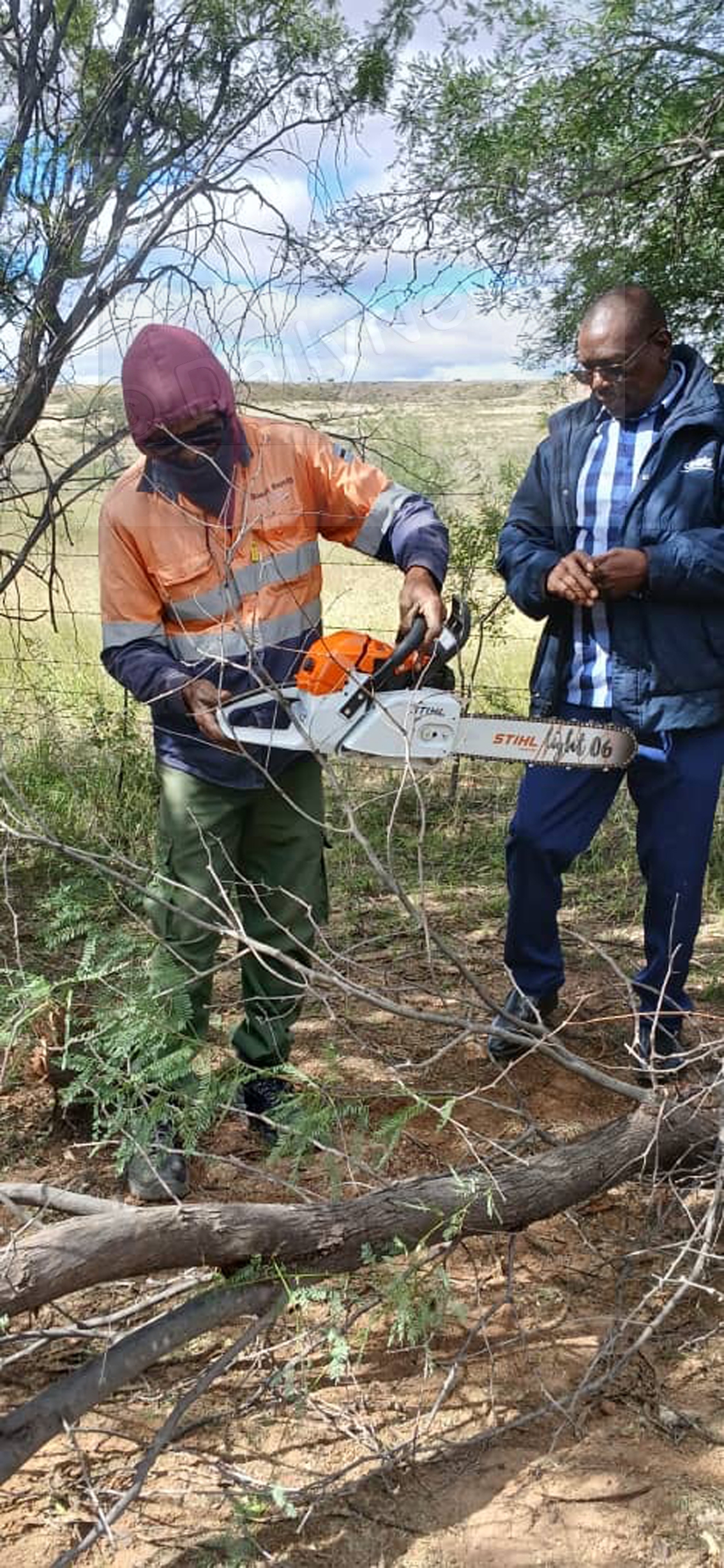
BURS donates nine chain saws
07 May 2026
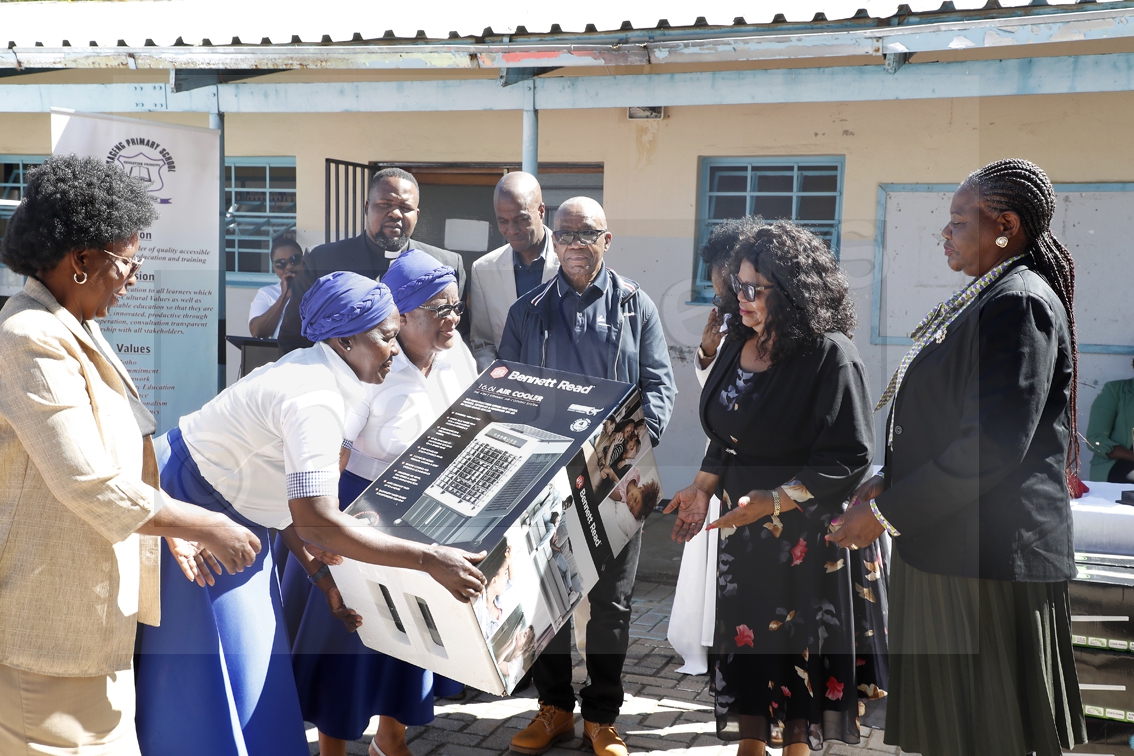
Donation boosts primary schools in Gaborone
07 May 2026