

UB hosts community development workshop
04 May 2014
Since its inception shortly after independence, the Department of Adult Education is said to have contributed enormously to community development in Botswana and continues to do so to date.
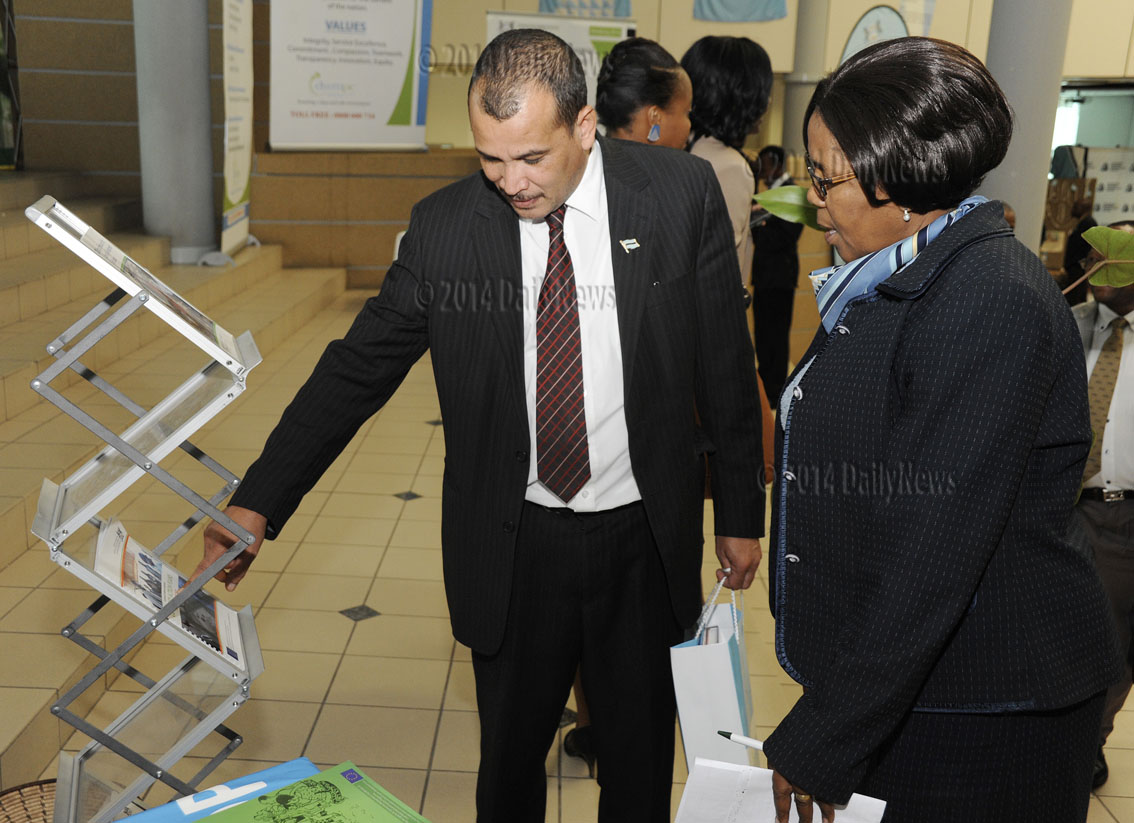
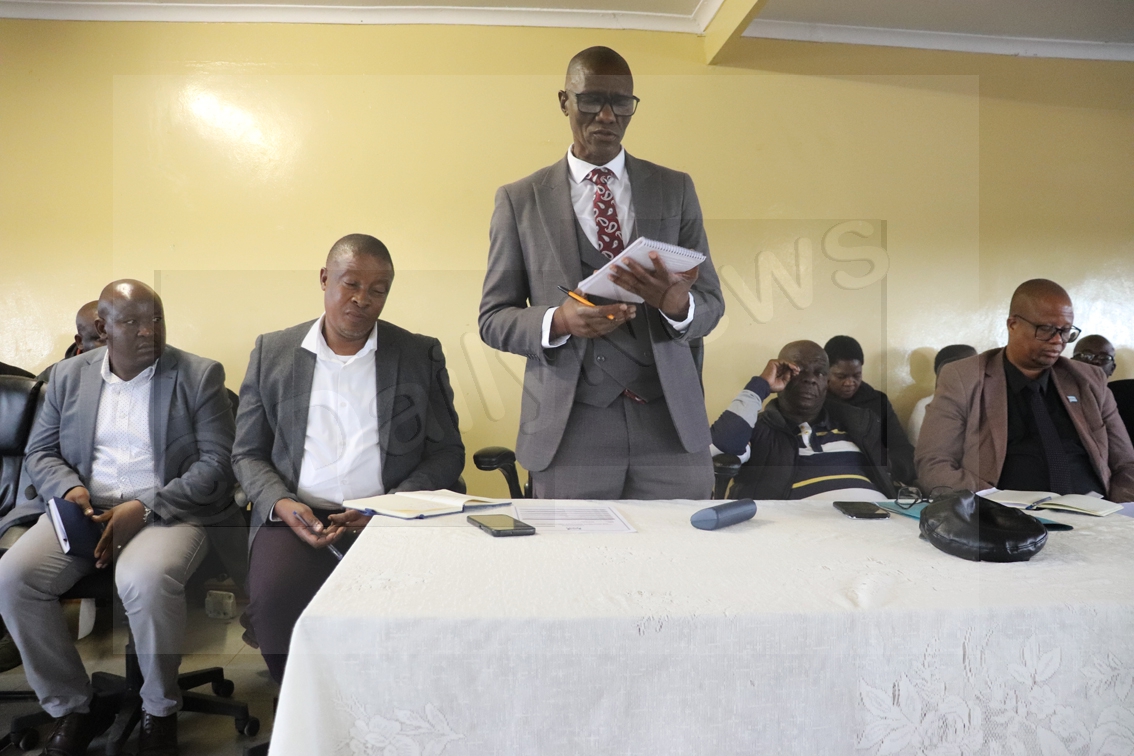
Giving a keynote address at a one-day career workshop organised by the Department of Adult Education at the University of Botswana (UB) on April 30, the Director of the department of Community Development in the Ministry of Local Government and Rural Development, Mr Steven Ludick, said community development was currently characterised by a top-down approach to programming.
Mr Ludick said the approach emphasised on service delivery rather than on strengthening community governance structures for economic empowerment. He said the approach had led to a dependency on government social support mechanisms unfortunately.
He stated that in a review of the micro projects programme in 2004, those types of constraints were identified as some of the underlying problems that impeded the effectiveness of the community development approach.
He said that some of the constraints were self-inflicted by the system, where it was fashionable to give out social safety nets determined from the centre, adding that there were and still are centrally planned and government led programmes that are designed to empower communities.
Such programmes included the Services to Livestock Owners in Communal Areas (SLOCA), the Arable Rain-fed Agricultural Programme (ARAP), the Livestock Water Development Programme (LWDP) and the Integrated Support Programme for Arable Agriculture Development (ISPAAD), amongst others, he pointed out.
Mr Ludick said, although they were good economic empowerment programmes, and had good intentions, they were still a top-down approach to programming and government led.
He said programmes should be made more appealing to improve their uptake, adding that some were even nicknamed ‘atlhama ke go jese’, contrary to established fundamental community development principles.
He further explained that what was so striking was that government had never run short of community development related policies and strategies that could have formed a good basis for a community development approach as expressed in such documents as National Policy on Rural Development (1972), the Remote Area Development Programme (1978),
Community Based Strategy for Rural Development (1997), and the Revised National Policy on Rural Development (2002), amongst others.
On other issues, the Director explained that the relocation of the Rural Development Council (RDC) from the Ministry of Finance and Development Planning to that of Local Government and Rural Development came with new focus areas.
He said the areas of focus included promoting self-reliance and sustainable livelihoods approaches, strengthen people’s participation and enhance partnerships with civil society organisations as well as supporting and protecting indigenous knowledge systems.
Others included strengthening integrated planning not only with respect to coordination, but also in terms of harmonising the social, economic and environmental considerations in pursuit of sustainable development.
The other focus area is the investment in leadership at local level to build a core of community leaders that can drive community based interventions.
The newly structured RDC held its Pitso in Kang in 2013 with the objective to inform stakeholders about the new focus areas and get input on how they can be implemented.
The workshop, themed ‘Waxing stronger and stronger celebration of diversity in adult education practice’ attracted former graduates of adult education, current students and lecturers from the University of Botswana. ENDS
Source : BOPA
Author : Obuilwe Nkokonyane
Location : GABORONE
Event : Career workshop
Date : 04 May 2014
Related News
08 May 2026

07 May 2026
Kagame wraps visit with DTCB tour
07 May 2026
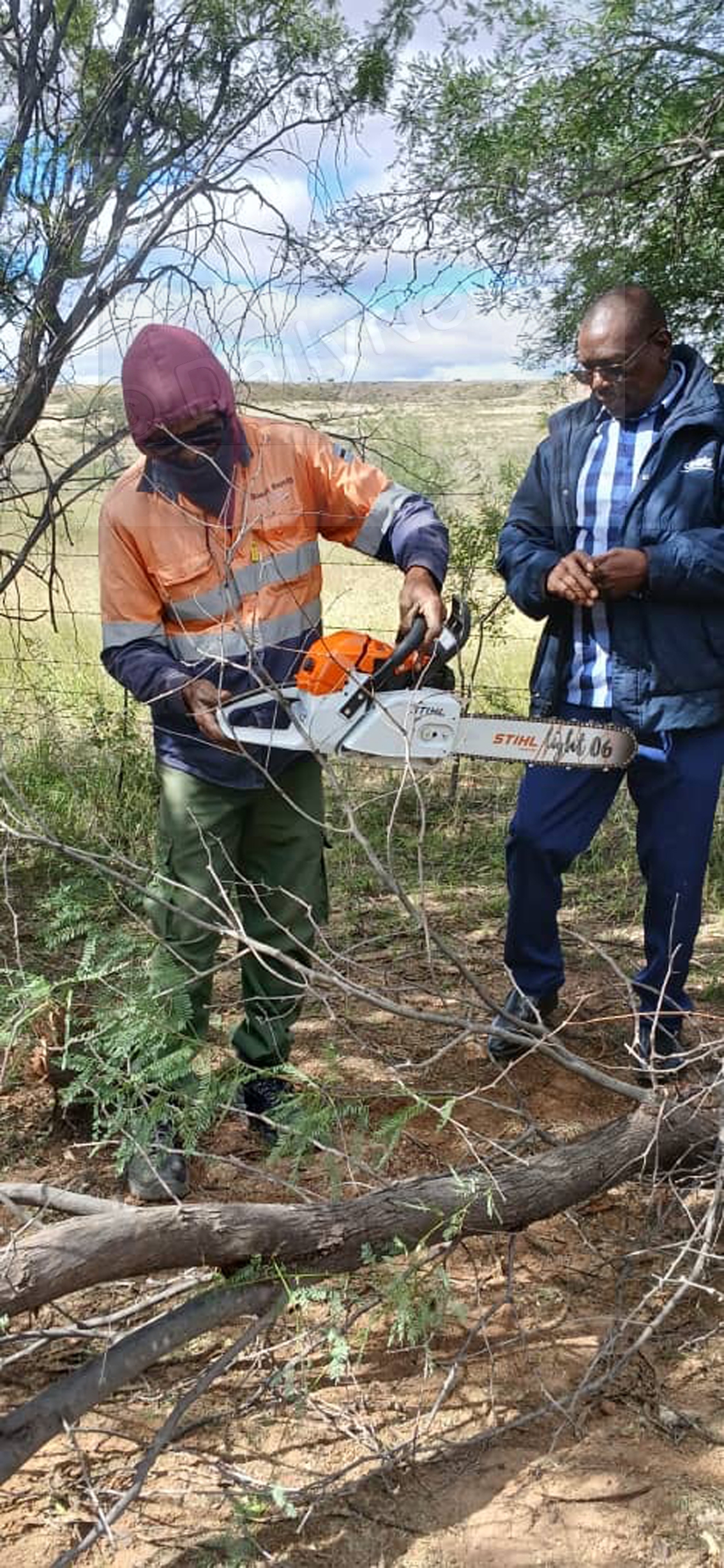
BURS donates nine chain saws
07 May 2026
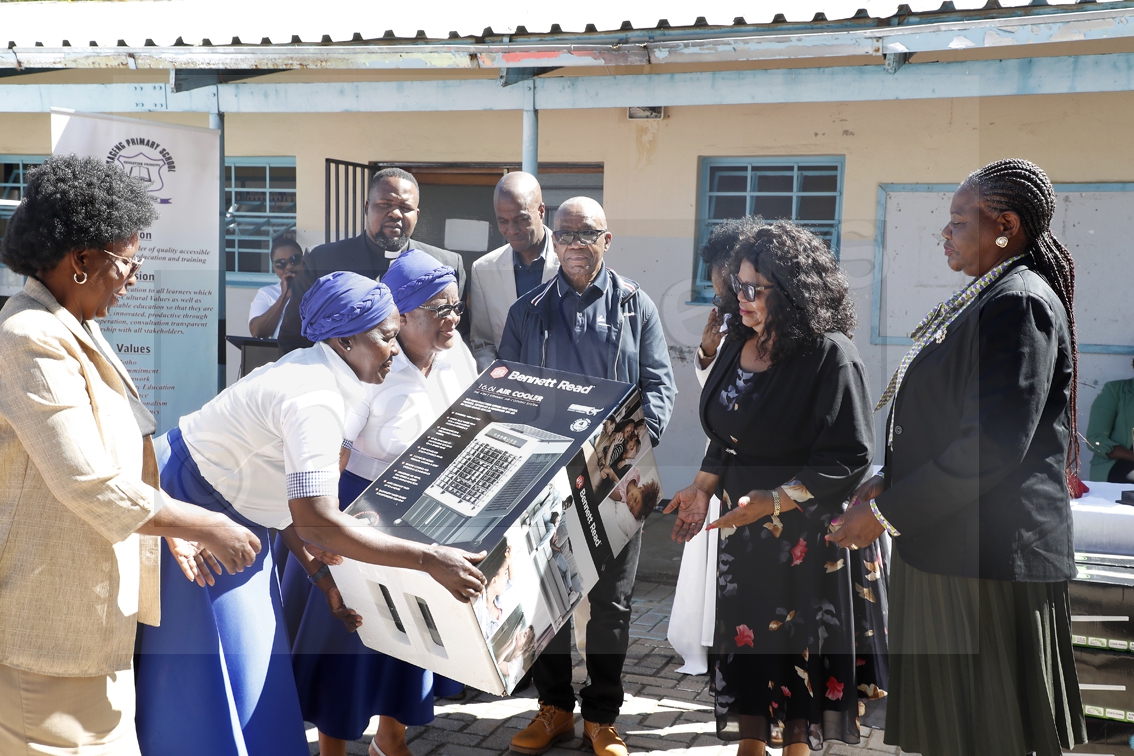
Donation boosts primary schools in Gaborone
07 May 2026