

Women dominate informal sector
16 Apr 2014
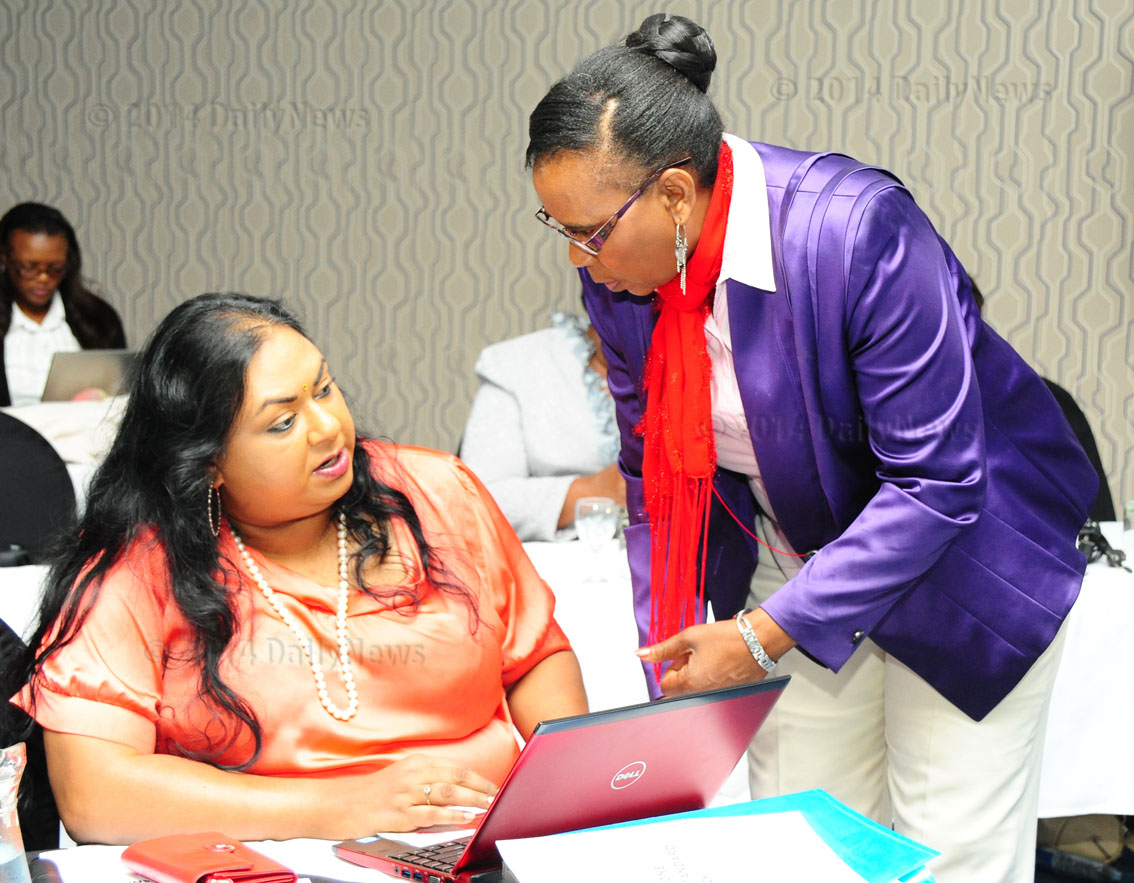
Women in Botswana are predominately found in the low paid and precarious informal sector, says the Deputy Chief Executive Officer of Gender Links from South Africa, Ms Kubi Rama.
Ms Rama said this when giving a presentation of the key findings of the country barometer and analysis of post 2015 SADC AGENDA. She stated Botswana’s constitution offered no legal provision for affirmative action to place women in decision making.
She noted women in Botswana lacked equal rights within relationships and marital rape was not criminalised. She said Gender Based Violence remained a major contributor to the higher HIV prevalence rate among women. Ms Rama said only 44 percent of the population had access to contraception.
She noted maternal mortality had increased to 198 per 100, 000 from 139.8 in 2006, mostly due to deaths resulting from the HIV pandemic.
On a positive note Ms Rama noted Botswana continued to have the highest proportion of women in economic decision making positions within the public sector at 43 per cent.
In tertiary education, women outnumber men and all schools had a life skills programme that included gender and HIV and AIDS, and Botswana was part of a network called Women Engineers and Girl Scientists in Africa(WEGSA).
She also expressed appreciation of Botswana’s pregnancy policy to reintegrate girls into the education system.
Ms Rama said over 95 per cent of HIV positive pregnant women had access to the prevention of mother to child transmission programme and to trained health personnel. She noted 84 per cent of the population lived within five kilometers of a quality health facility.
In addition Ms Rama said Botswana had a relatively progressive constitution, which nonetheless needed to address contradictions between formal and customary laws. This was especially important because most people continued to use customary laws which tended to discriminate against women, especially the widowed and divorced.
Such laws were largely unwritten and varied depending on the ethnic group and tolerated unequal power and gender relations.
Some of these laws have been declared unconstitutional by the courts, she said.
She cited a landmark 2012 ruling by Justice Key Dingake in which he struck down a discriminatory customary law that only allowed men to inherit the family home. Ms Rama said although progressive amendments to formal laws had been put in place, gender activists argued laws regarding gender issues had been carried out in a piecemeal way instead of addressing the legal system holistically.
She noted the majority of women and men were still unaware of many laws.
Ms Rama said there was therefore need for advocacy work to get Botswana to sign the SADC Gender Protocol (SGP), and revise the national gender policy framework to keep up with emerging issues. ENDS
Source : BOPA
Author : Thandy Tebogo
Location : GABORONE
Event : SADC Protocol Summit
Date : 16 Apr 2014
Related News
13 May 2026
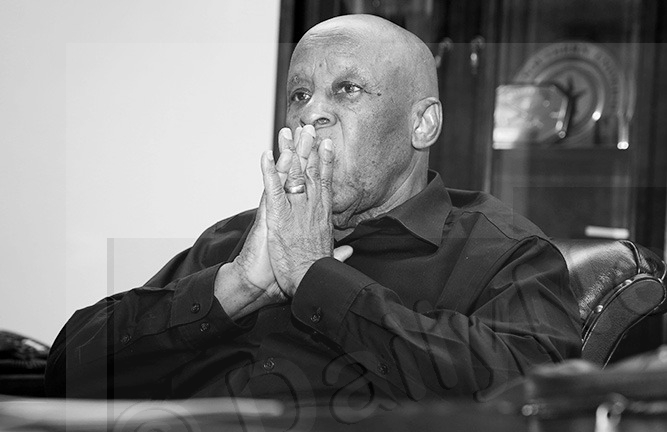
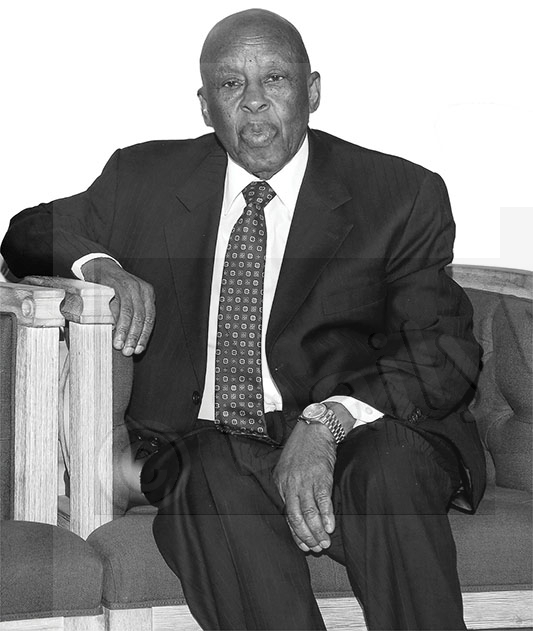
Kgosikwena heaps praises on Mogae
13 May 2026
Xi meets UNESCO chief
13 May 2026
UNBENDING Mogae Rule of Law
12 May 2026