The beloved Afrikaans language
09 Apr 2014
Travelling around Botswana can be both adventurous and a learning experience about life in certain areas of the country.
One distinctive aspect when one is new in a village is the language spoken in that area. In most villages in the southern part of the Kgalagadi District, the predominant language is Afrikaans, with a little bit of Setswana and English.
When one gets to villages such as Struizendam, Bokspits and Vaalhoek, communication with residents of these villages, especially the elders and children, can be problematic.
While English is Botswana’s official language and Setswana the national language, some people in these villages can only speak the language they are very passionate about, Afrikaans.
Even though there are more than 20 other languages spoken in Botswana, mostly by non-Setswana speaking groups, people in southern Kgalagadi speak their language only.
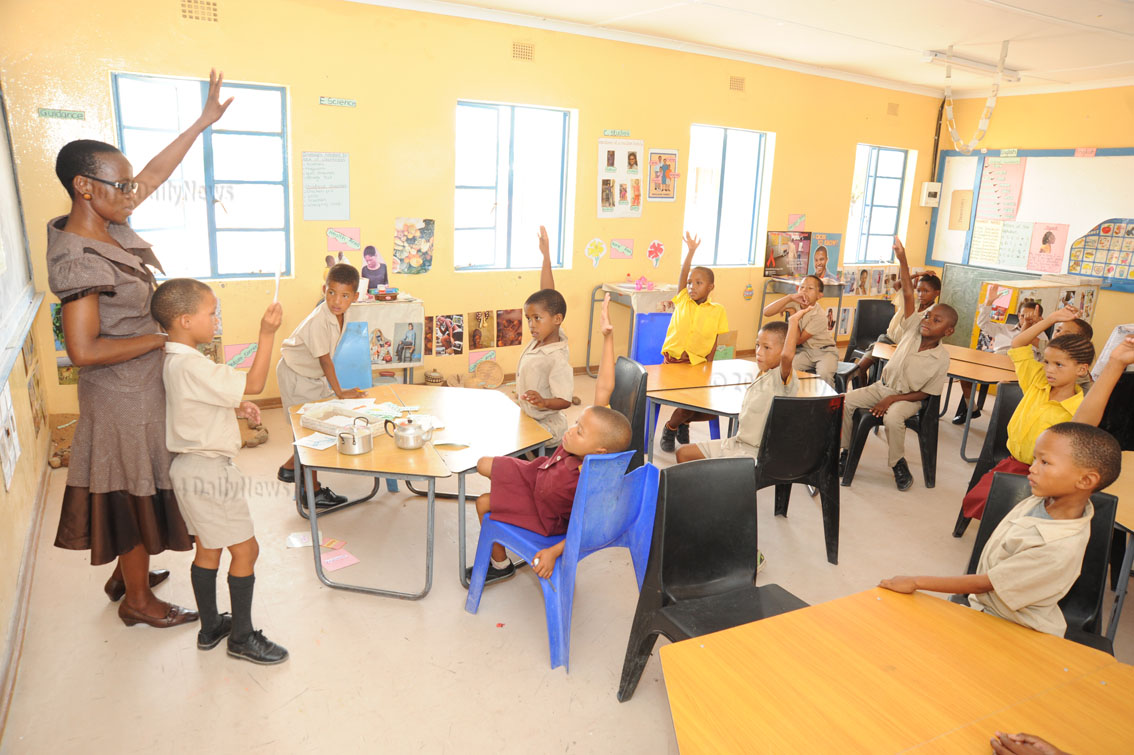
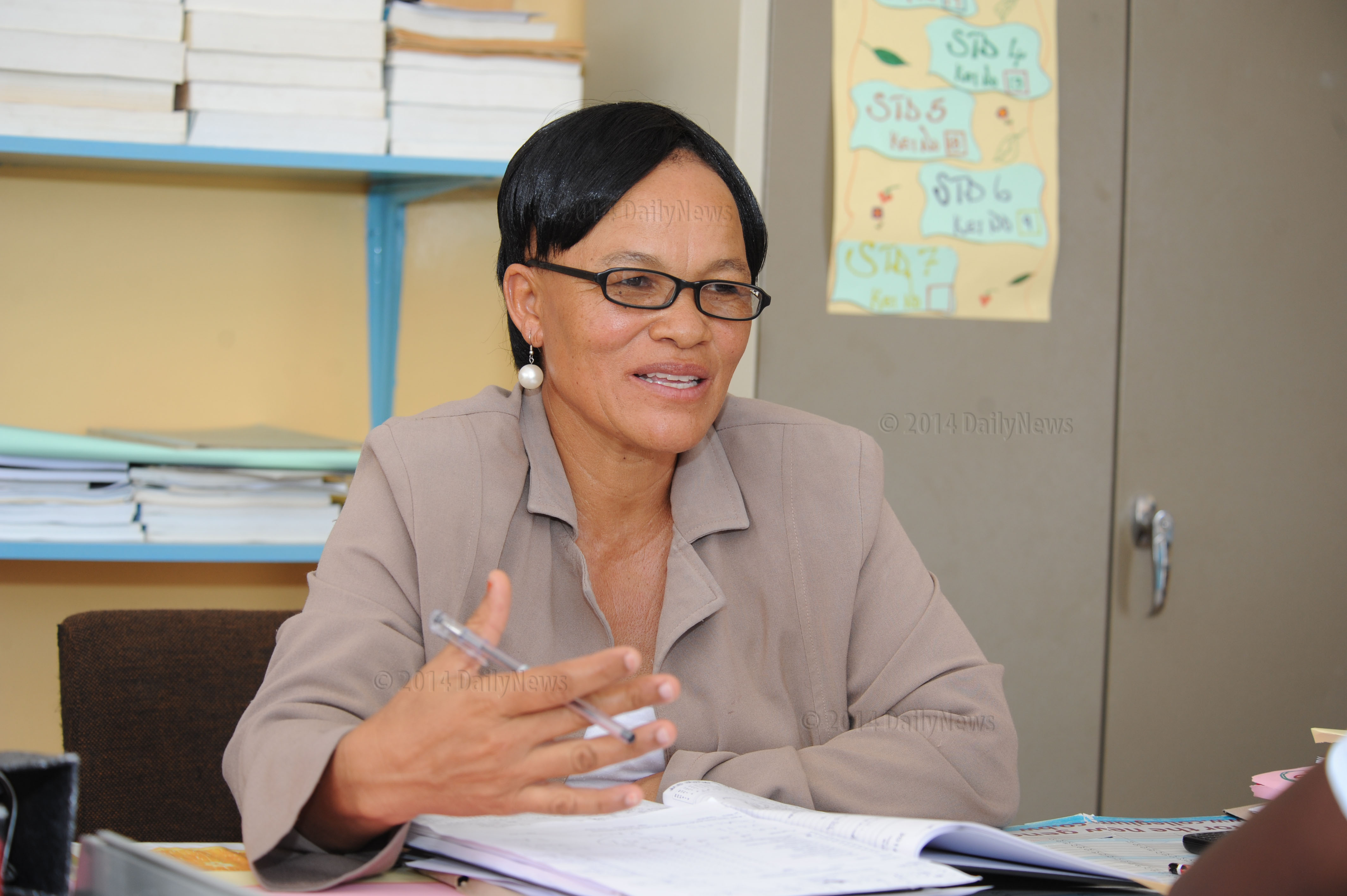
Ms Lenah Babeile, the headteacher of Struizendam Primary School, who is not a resident of the village, shared her experience at the Afrikaans dominant school with BOPA. When children come to enroll for standard one, usually they have a problem speaking English and Setswana during the first term.
“The kids don’t like Setswana language, they can even tell the teacher Setswana is boring, but eventually they grab it and teaching becomes easier,” says Ms Babeile.
First term for standard ones at Struizendam Primary School is a bit confusing because of the different languages spoken by teachers and pupils.
The school sometimes engages a village resident as an interpreter in instances where teachers cannot speak the Afrikaans the children prefer.
The Ipelegeng programme has also found its way into the education system. Ms Babeile says currently they have engaged an interpreter through Ipelegeng.
A standard two teacher at the school, Ms Nnyana Modise, says they mostly encounter problems during first term, noting that sometimes they seek help from non-teaching members of staff, such as cleaners.
She also says at times children who have stayed in Tsabong are helpful because they understand and speak Setswana hence they can help translate to others in class.
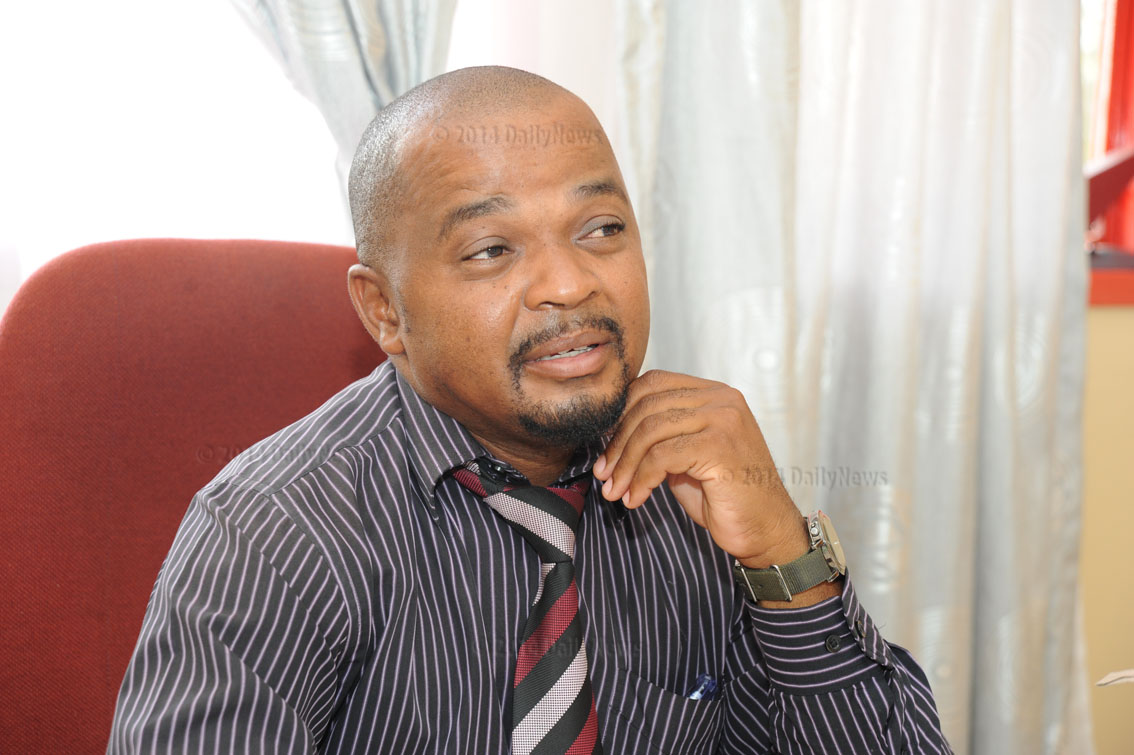
The same challenge of language barrier at standard one also prevails at Vaalhoek Primary School where the deputy headteacher, Mr Christopher Khupe, reckons the problem is mostly due to children speaking Afrikaans at home.
Therefore, they only learn Setswana and English when they start standard one.
Just like at Struizendam, Mr Khupe says they have also engaged an interpreter through Ipelegeng who started last year.
He notes that when children come to do standard one, the gap between the teacher and pupils is huge, communication wise.
Mr Khupe, however, appreciates the six weeks pre standard one orientation which government recently introduced, noting that it is helping a lot in terms of children learning Setswana and English.
Nonetheless, the problem of communication is not only confined to schools. Outsiders, who intend to strike a conversation with some of the people in Bokspits or neighboring villages, find it difficult.
Most of the interviews, especially those which involved village elders, an interpreter was used because they could only understand or speak their beloved Afrikaans. ENDS
Source : BOPA
Author : Kabo Keaketswe
Location : STRUIZENDAM
Event : Feature article
Date : 09 Apr 2014
Related News
06 Aug 2026
06 Aug 2026
Mayor implores creatives to be innovative
05 Aug 2026
Batho Ba Metsi honours Okavango Delta custodians
05 Aug 2026