

Govt not obliged to compensate Zone 7 farmers
07 Apr 2014
The government is not obliged to compensate farmers for cattle that died after being introduced into the Zone Seven area at Robelela and Tshokwe settlements.
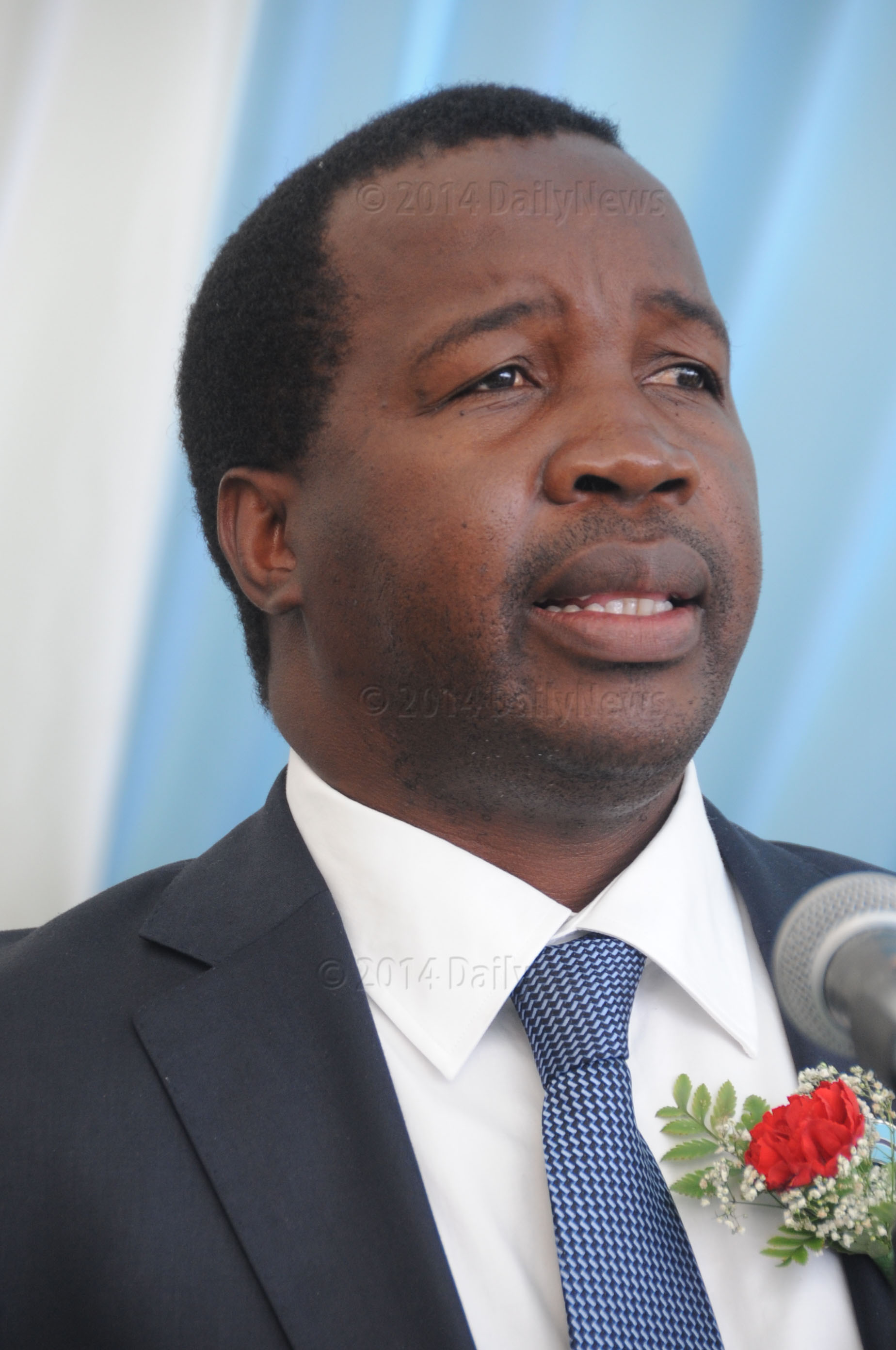
The deputy permanent secretary in the Ministry of Agriculture, Dr Moetapele Letshwenyo said the findings of research and investigations into the cause of the deaths by veterinary scientists had shown that the cattle died of natural causes. He added that some cattle died of starvation due to the drought that was experienced in the area.
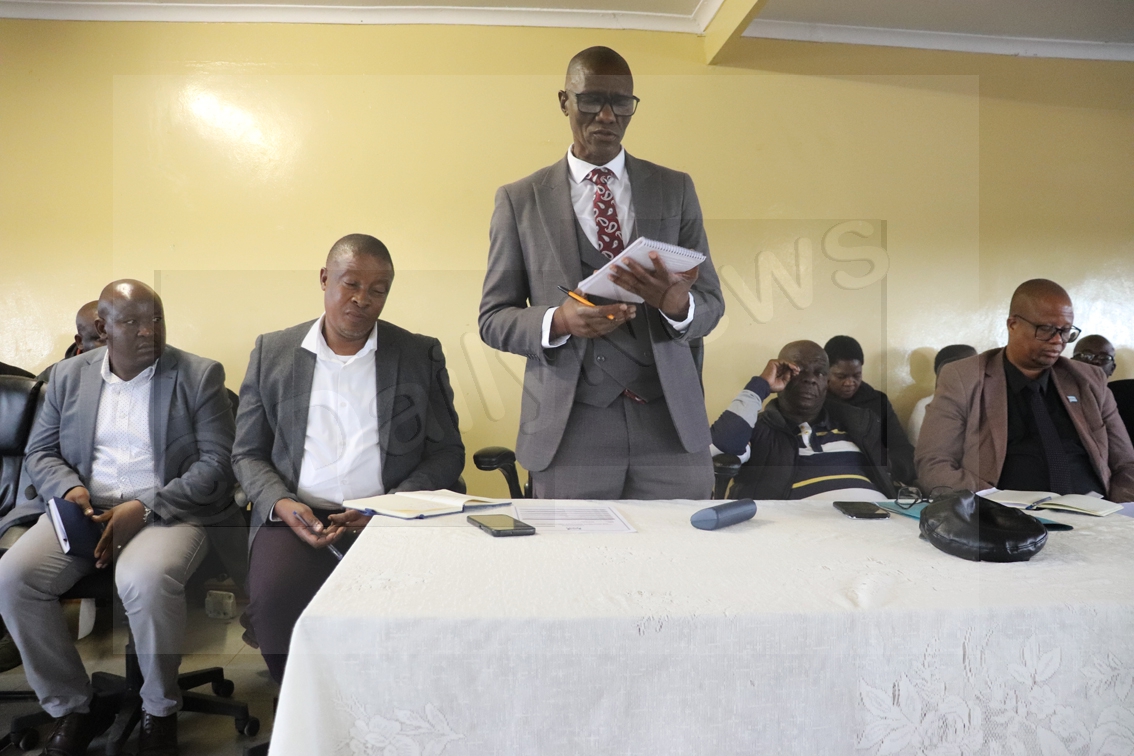
Other cattle, according to investigations, died from heart water disease as well as a condition caused by infectious organisms that developed into what looked like sacks in the cattle’s stomachs. Dr Letshwenyo was addressing farmers during a series of kgotla meetings in Tshokwe, Robelela and Madinare last Wednesday, April 2.
“What looked like sacks that cattle farmers had removed from carcasses and displayed to the public during a kgotla meeting addressed by Vice President Dr Ponatshego Kedikilwe in Mmadinare earlier in January this year were not actually sacks but organisms,” he said.
He explained that the organisms came about after the cattle ate quantities of leaves that had organisms similar to cocoons attached to them.
He noted that upon reaching the stomach of the cattle, the organisms developed into long strings of sacks which ultimately caused the death of the cattle.
“Due to this factor, the cattle died from natural causes and the government is not legible to compensate farmers at this point in time unless the government considers paying back the affected farmers,” he said.
He said such a problem occurred in other parts of the country such as Serule and Dimajwe where organisms that looked like sacks were removed from the stomach of a number of cattle that had died. In addition, he said around the 1970’s the same phenomenon was recorded.
Despite the explanation, farmers requested the government to consider compensating them due to the fact that they were not enlightened as to how to prevent their cattle from dying from heart water.
They said they could also not control what the cattle ate while grazing in the bush. Kgosi Phillip Tamocha of Robelela said people who depended on pastoral farming lost everything after their livestock died.
He said if the government does not do anything to mitigate the challenge, many people were going to become poor because cattle farming was their main source of income.
“It is a pity that such a negative phenomenon fell upon us. However, if cattle farmers were informed on how to prevent heart water when the cattle arrived, they could have saved them from dying,” he said.
He expressed concern that veterinary officers who were engaged in the restocking exercise did not do their job diligently. He said people ended up losing their livestock due to lack of information.
Dr Letshwenyo said he would relay farmers concerns to his supervisors who would come up with a final decision on whether to compensate farmers or not. The restocking exercise followed the culling of all cattle in Zone 6 following the Foot and Mouth Disease outbreak in 2011.
In May 2013, the cattle restocking exercise commenced in earnest in Robelela and Tshokwe, where over 2 000 cattle were given to farmers in the area as compensation.
During the re-stocking exercise, veterinary officers noted that 363 cattle died in quarantines while in their custody and another 158 cattle died in the custody of farmers. The 158 cattle that died belonged to 33 farmers. ENDS
Source : BOPA
Author : Tshepo Mongwa
Location : SELEBI PHIKWE
Event : Kgotla Meeting
Date : 07 Apr 2014
Related News
08 May 2026

07 May 2026
Kagame wraps visit with DTCB tour
07 May 2026
BURS donates nine chain saws
07 May 2026
Donation boosts primary schools in Gaborone

07 May 2026