

Encampment policy has good intentions - minister
30 Mar 2014
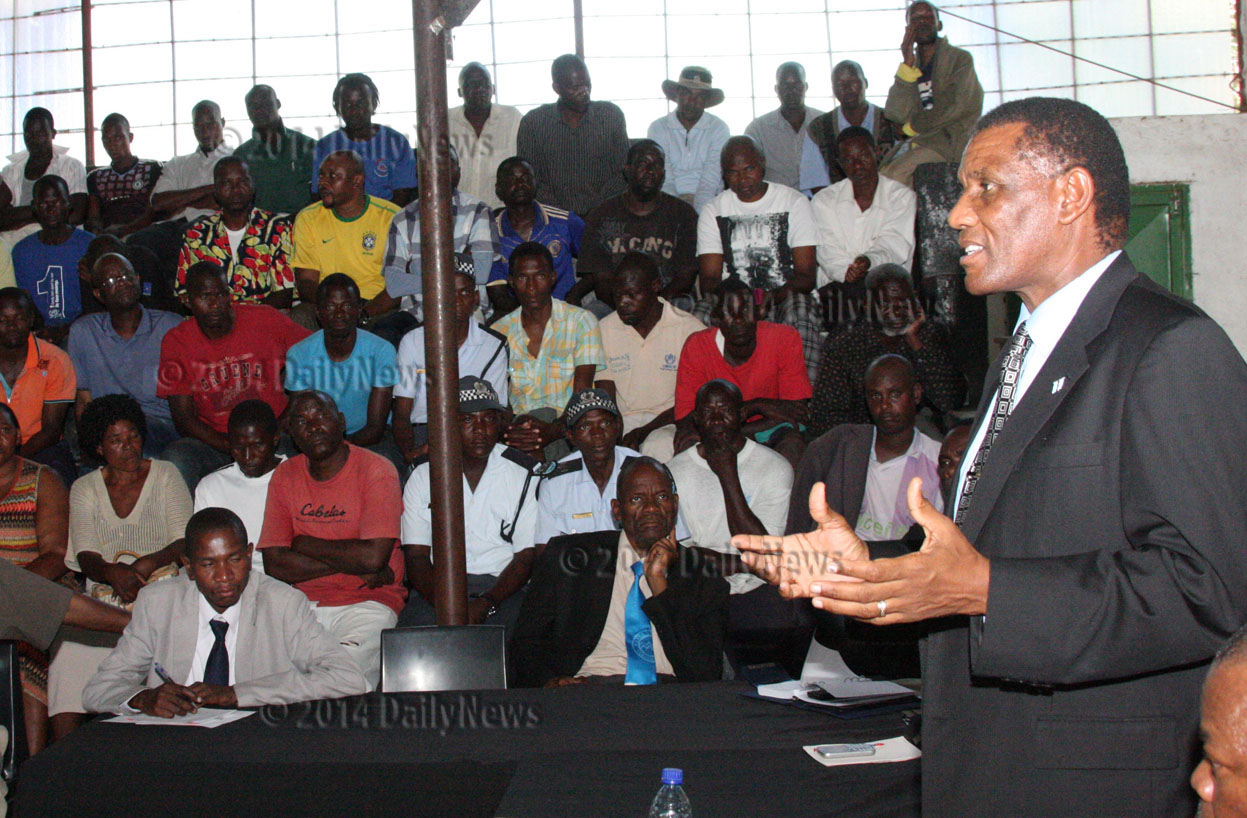
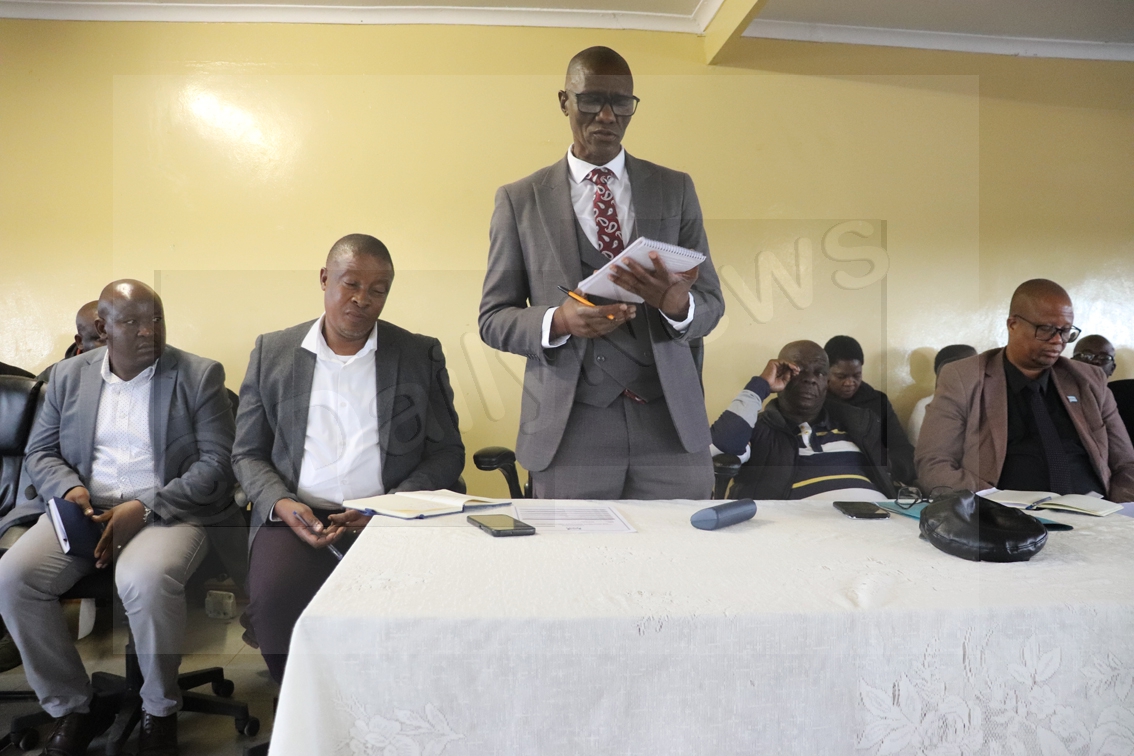
Keeping refugees and asylum seekers in a restricted site was meant to protect the interests of both Botswana and refugees, the Minister of Defence, Justice and Security, Mr Dikgakgamatso Seretse said when addressing refugees at the Dukwi Refugee Camp on March 26.
Although the measure frustrated the refugees’ efforts to become self-reliant outside the camp, Mr Seretse said the encampment policy was well meant as it served to protect Batswana and the refugees alike.
The Dukwi Refugee Camp had existed for decades hosting refugees from countries as far as Somalia, Burundi, Uganda, Namibia, Angola and Zimbabwe, which they fled fearing for their lives.
While Botswana had signed the 1951 Refugee Convention and its 1967 Protocol, as well as the 1969 OAU Convention on Refugees, the country had done so with reservations regarding freedom of movement and access to employment, he said.
The minister, who visited the camp to address the refugees after a series of incidents in which some of them had wanted to be resettled outside the country, informed them that it was government’s wish to see all refugees returning to live peacefully in their own countries.
“Botswana believes that nobody should be deprived the right to live in their own homeland; however, when people come here fleeing persecution, we want to be able to offer them a temporary home while their countries find lasting solutions to peace,” he noted.
Minister Seretse said the encampment policy came about because in the past Botswana was surrounded by hostile neighbours whose frequent raids on the country often caught Batswana in crossfires.
“Now that your countries have had transitions, it is only proper to continue to encourage you to return home, otherwise you are being positively segregated, and there are benefits in doing so,” he pointed out.
While acknowledging that the support being given to refugees might not be sufficient, the defence minister implored them to appreciate the little they were getting.
“We know that both government and the United Nations High Commissioner for Refugees are trying their best to provide to you but resource constraints make it difficult to meet all your needs,” he said.
Furthermore, Minister Seretse explained that the encampment policy was aimed at avoiding scenes such as those that happened in neighbouring South Africa where locals vented their anger on refugees accusing them of taking their jobs.
“Lack of jobs and hardships experienced around the country makes it necessary for us to protect you and if you were scattered all over the country it would be difficult for UNHCR to assist or trace your whereabouts because of resource challenges,” he highlighted.”
Minister Seretse said government continued to engage the UNHCR and refugees’ countries of origin to facilitate their safe return home or resettlement, noting that proper procedures had to be followed.
However, the minister issued a warning to the refugees who disobeyed the laws of the country, saying the law did not discriminate as it applied to all. The minister also condemned some practices said to be taking place in the camp such as trading in people especially child trafficking.
He said some refugees lied about their relations to children in an attempt to bring them into the country knowing fully well that they were not theirs. “A refugee who acts contrary to the law loses their status and if they leave the country without following procedure they will not be allowed back,” he cautioned.
For his part, one of the refugees, Mr Bossman Mtesa complained that the food rations given to them were not enough. He also said that they were not allowed to work. Others complained that they did not have water in the camp while they were also expected to pay P32 000 to connect electricity to their homes.
They also said some of their children stayed for a long time at the Centre for Illegal Immigrants in Francistown before they were given refugee status. However, the minister promised them that water from boreholes would be available in two weeks’ time.
The director in the defence ministry, Mr Ross Sanoto applauded the refugees for being a good audience and urged them to share what was discussed with those who were not present. “Take heed of the message from the minister, obey the law and follow government policies,” he said.
Botswana is host to some 3 000 refugees and asylum seekers who reside in the Dukwi Refugee Camp where the encampment policy is strictly enforced.Ends
Source : BOPA
Author : Puso Kedidimetse
Location : DUKWI
Event : Meeting
Date : 30 Mar 2014
Related News
08 May 2026

07 May 2026
Kagame wraps visit with DTCB tour
07 May 2026
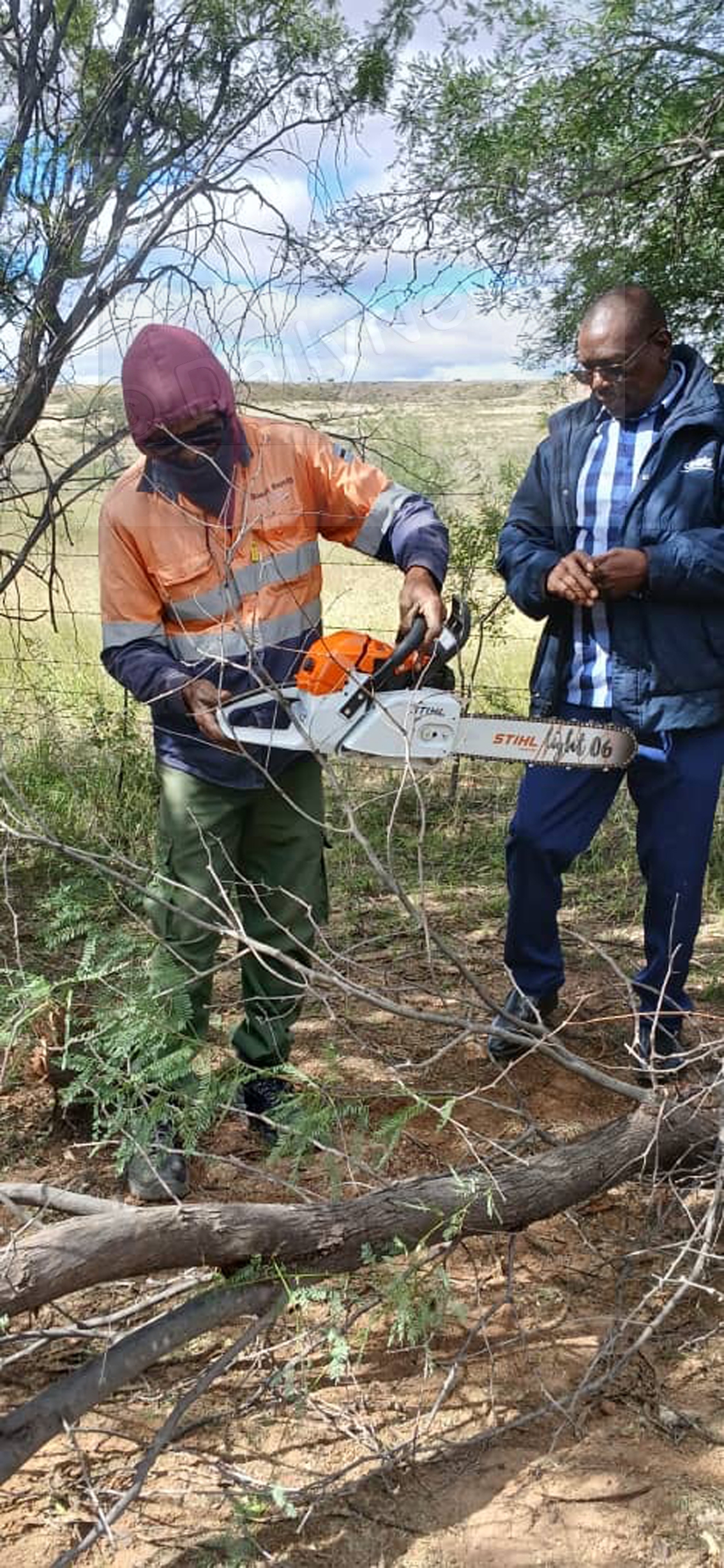
BURS donates nine chain saws
07 May 2026
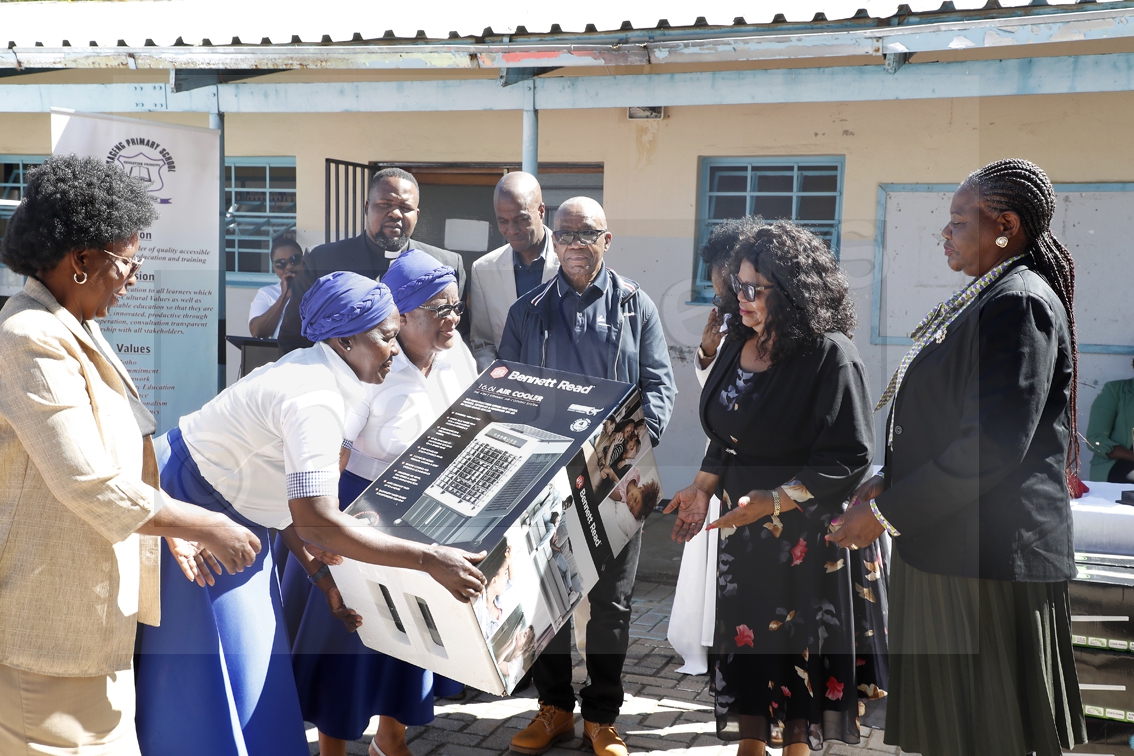
Donation boosts primary schools in Gaborone
07 May 2026