

Park to take Ngamiland tourism to higher level
30 Mar 2014
North West councillors have welcomed the recommendations of a feasibility study for the proposed Maun Eco Tourism Park (METP).
The study recommended that to make Maun and the sorrounding areas more attractive to tourists, wildlife should be brought closer by realigning the existing buffalo fence.
The study was carried out on existing planning principles of the eco tourism park as recommendated by the Okavango Delta Management Plan (2008) and had been gazetted as part of the Maun Development Plan (MDP 2010).
The study outlined how implementation of the project could be done to integrate local communities. It contained an in-depth plan to operate the tourism park in a financially self-sustaining manner.
Councillors gave the report the green light and called for consultation so that communities could understand the importance of the project and own it. They said the project would promote tourism in the district and create employment.
Since some villages would be affected, they advised that a relocation area for people and livestock be identified to avoid conflicts.
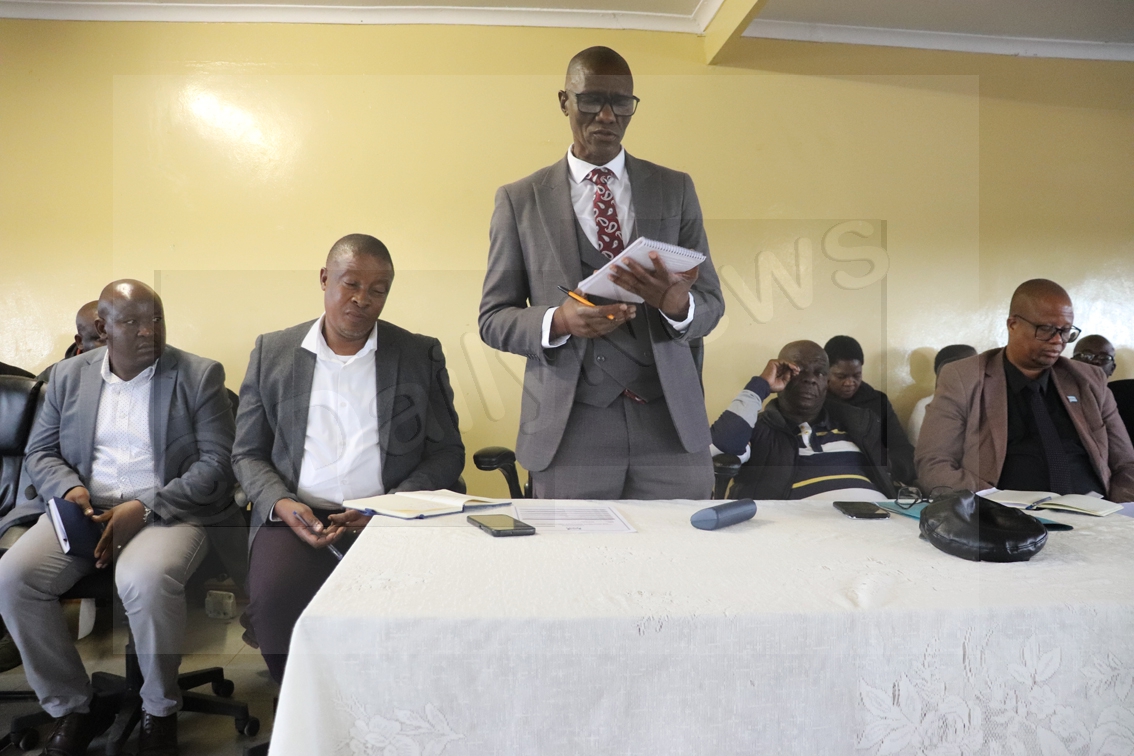
Presenting the study, an official from Tawana Land Board, Ms Kesego Kgarathi said the leading objective of the proposed eco tourism park was to promote Maun as a primary tourism destination through the implementation of a community integrated tourism project.
The project aimed to bring wildlife closer to communities by realigning the existing buffalo fence. It also stated how to provide socio-economic benefits on a local, regional and national scale.
Ms Kgarathi said tourists were increasingly demanding experiences that were enjoyable, educational, nature-based and environmentally sustainable.
She added that eco tourism has emerged as one of the solutions to help protect the ecological and cultural resources of tourism sites. Ms Kgarathi said Ngamiland needed to upgrade and diversify its tourism sector if the district was to participate in the tourism industry.
She noted that through the implementation of the METP study, these two goals could be achieved at once.
She said the park had the potential to diversify and enhance the tourism industry within Ngamiland, to create long-term employment and enhance private and government revenue. She added that it could also offer a broad range of educational, capacity building and training opportunities for Batswana.
She said after consideration of the positive and negative aspects and through consultation, it was the opinion of the consultant that the implementation of the METP was feasible.
The consultant recommend a phase implementation of the project towards the final phase outlined in the fifth option.
The fifth option states that the existing veterinary cordon fence would not be re-aligned, except where it crosses deep water. It said it would be repaired and maintained.
She said during the evaluation of the feasibility of the proposed project, community involvement through forums such as Community Based Natural Resource Management (CBNRM), as one of the cornerstones of eco tourism, has been given priority in the proposed management and ownership structures of the METP.
It highlights how communities cannot only be involved, but also gain equity in and through the METP.
Ms Kgarathi observed that during stakeholder consultations, it became evident that the terms ‘eco-tourism’ and ‘park’ were often associated with foreign ownership of tourism facilities and government dominance and were therefore rejected by communities.
It was therefore recommended that the Maun Eco Tourism Park be renamed Maun Shorobe Community Conservancy to advance the linkage to the envisioned community component of the project. Ends
Source : BOPA
Author : Esther Mmolai
Location : MAUN
Event : Full council meeting
Date : 30 Mar 2014
Related News
08 May 2026
07 May 2026
Kagame wraps visit with DTCB tour
07 May 2026
BURS donates nine chain saws
07 May 2026
Donation boosts primary schools in Gaborone
07 May 2026