

Trade Effluent Agreement to curb pollution
26 Mar 2014
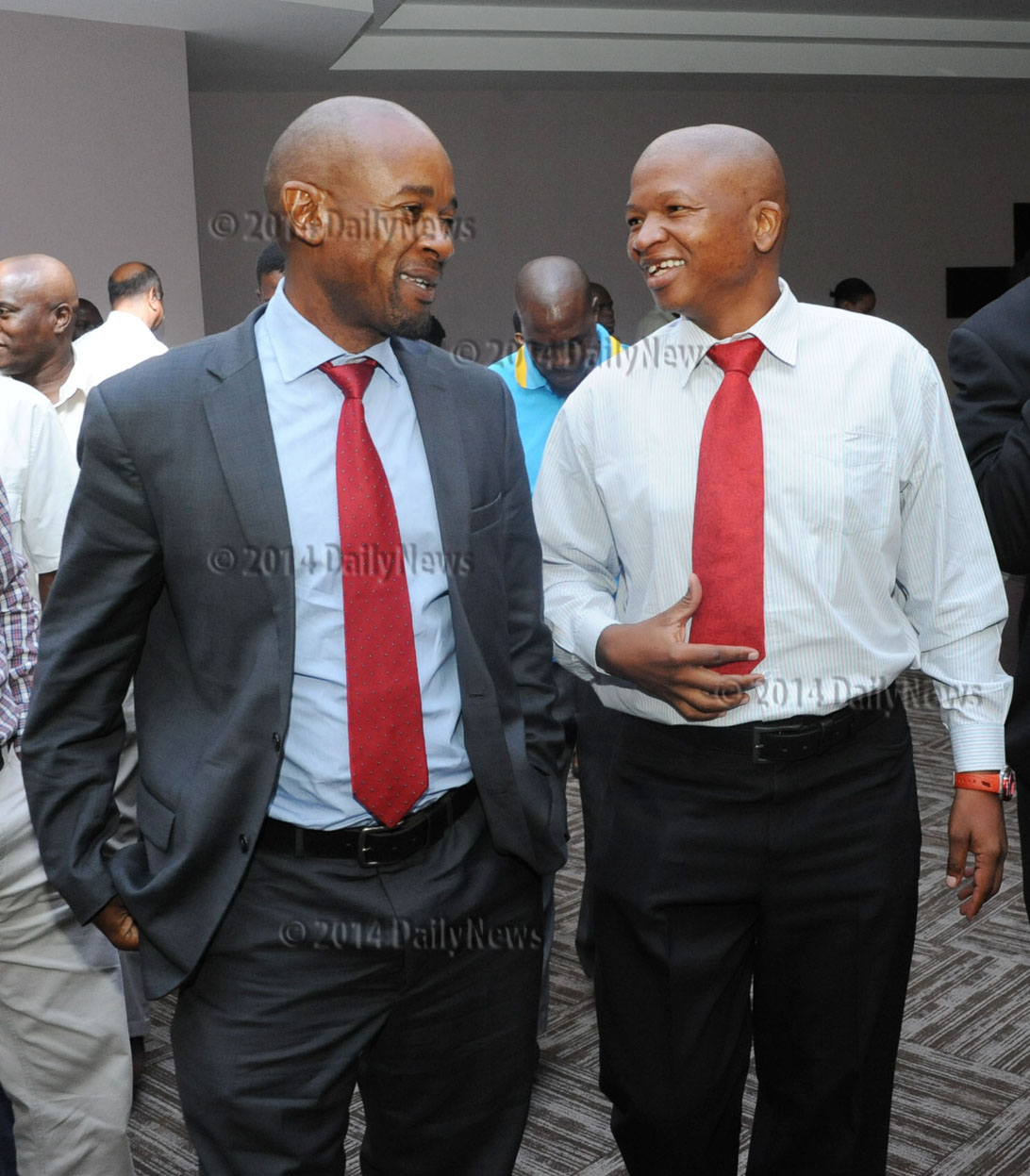
In a move to ensure that wastewater received by Water Utilities Corporation (WUC) meet the required quality standards, the corporation has developed Trade Effluent Agreement (TEA).
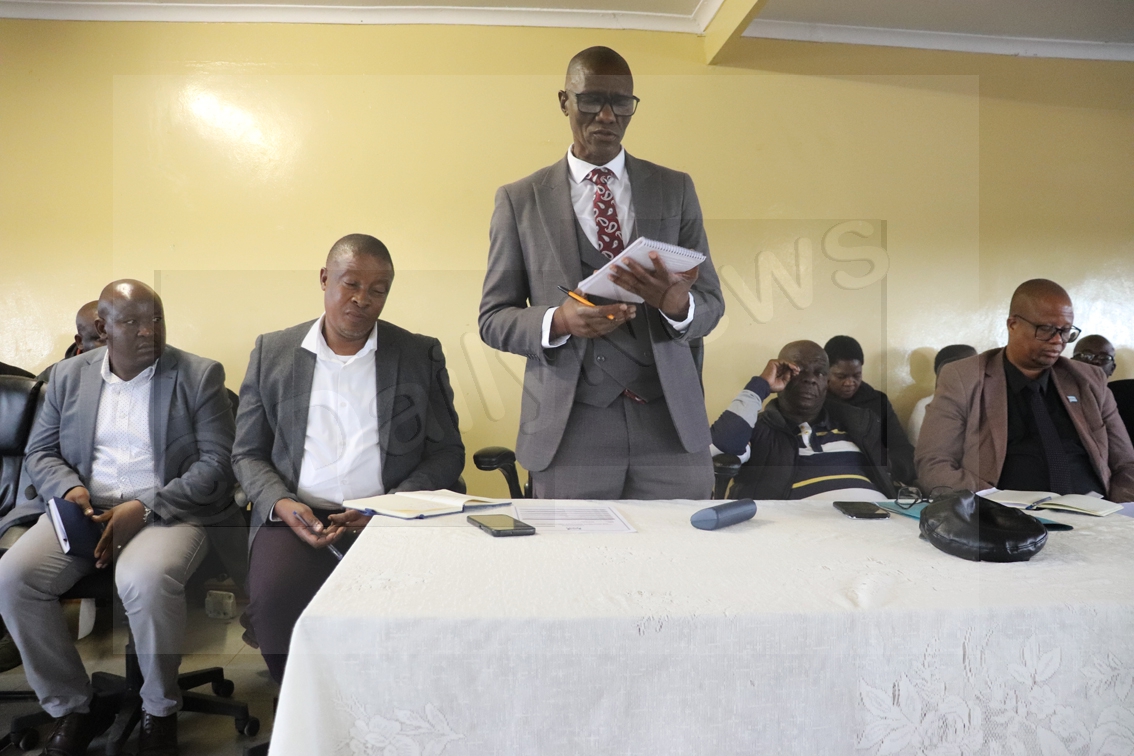
WUC infrastructure director, Mr Gaselemogwe Senai said during TEA workshop on March 25 that the corporation was facing new challenges that included the discharge of inadequately treated effluent into the sewage system by industries.
He noted that in some cases, they had had some companies, which even dumped used oil, used paint, used dyes, chicken feathers, cattle, goat organs, among others, directly into the sewer systems.
All the industrial effluent, he said, ended up in the waste water plants and or ponds which were not designed to treat effluent, resulting in process shock, and consequent malfunction of treatment facilities and ultimate discharge of poor quality effluent in to the environment.
Mr Senai said as a result of the problem, plants and ponds were not able to achieve the requisite BOS 93:2012 wastewater quality standard.
Therefore, he said there was need to ensure that all discharge from all industries into the sewage system was at a level which would assist the corporation to comply with the required standard.
The corporation, he said had developed Trade Effluent Agreements which would be used to manage the quality of effluent from the industries.
He stated that the agreement would simply give a company or entity consent to discharge trade effluent into a public sewer system, saying it was important even if a person discharge a small amount of liquid waste, as it could cause serious damage to the sewage system and create a risk of danger to public health.
Mr Senai said the TEAs were used the world over to manage the quality of effluent discharge into the sewer system, noting that the councils in Botswana used it in the past.
The corporation he said was under pressure from its own environmental policy and standards, and has to account to its own board and other authorities such as the department of Water Affairs (DEA) among others.
He said they have distributed about 680 draft agreements and only ten companies have signed the agreements to date, saying it showed that responsiveness in signing agreements has been and remained a challenge.
He said the corporation has engaged three stakeholders being Botswana Confederation of Commerce Industry and Manpower (BOCCIM), DEA and Industrial Affairs Department to make it a requirement that companies must bring copies of signed TEA for their licences to be issued.
Whilst presenting on Trade Effluent, Mr Zibisani Siwawa said mandate of WUC was to implement the corporation policies and any other Botswana regulations, guidelines, policies and laws with regard to waste water handling and disposal.
He said the corporation’s mandate was also to guide traders and the public on handling of waste water, as well as prevent uncontrolled wastewater spillage into the environment.
The purpose of TEA agreement he said was to regulate effluent entering the public sewerage or natural environment such as rivers, dams and ponds.
He said it was also meant to establish fees and charges appropriate for the acceptance and treatment of trade effluent of a quality in excess of that expected from typical domestic waste. Ends
Source : BOPA
Author : Thandy Tebogo
Location : GABORONE
Event : Workshop
Date : 26 Mar 2014
Related News
08 May 2026

07 May 2026
Kagame wraps visit with DTCB tour
07 May 2026
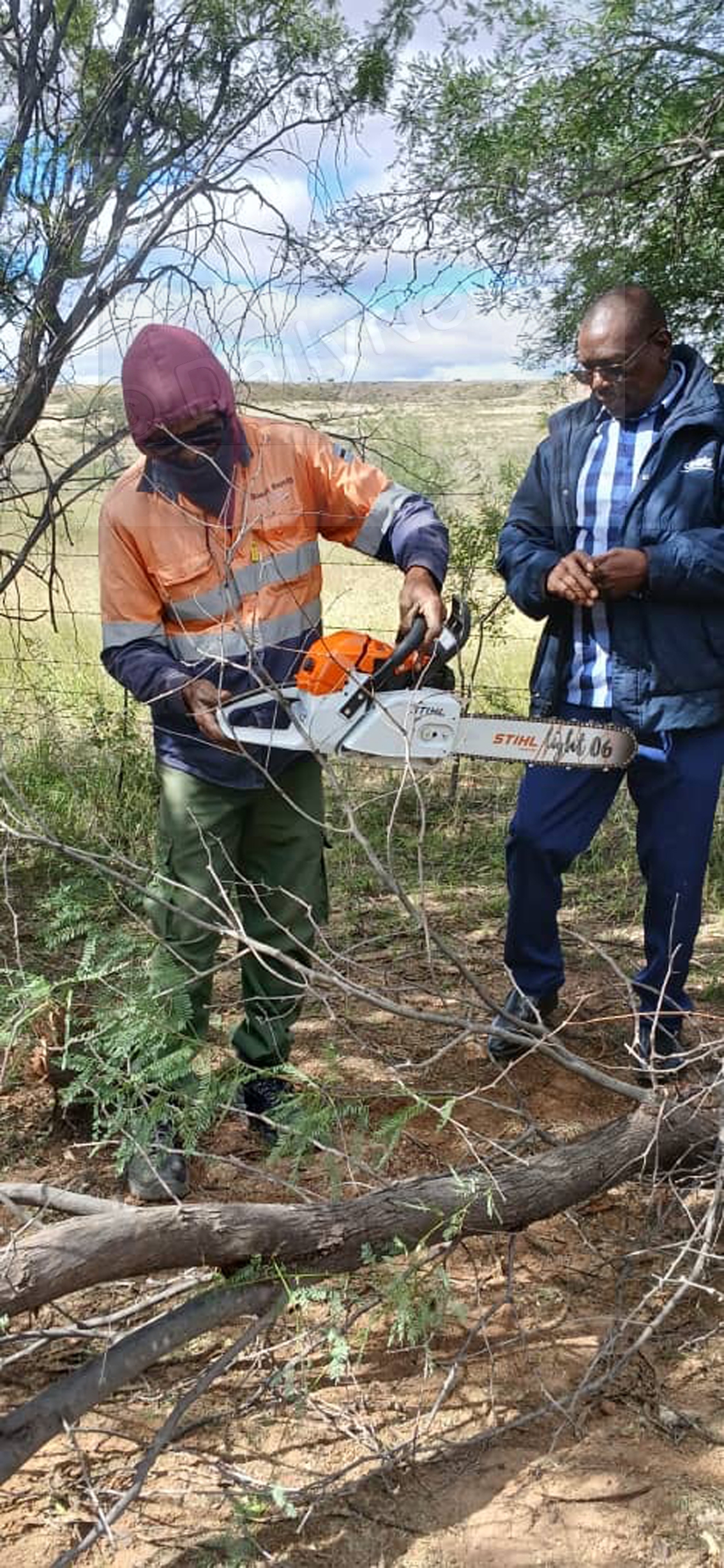
BURS donates nine chain saws
07 May 2026
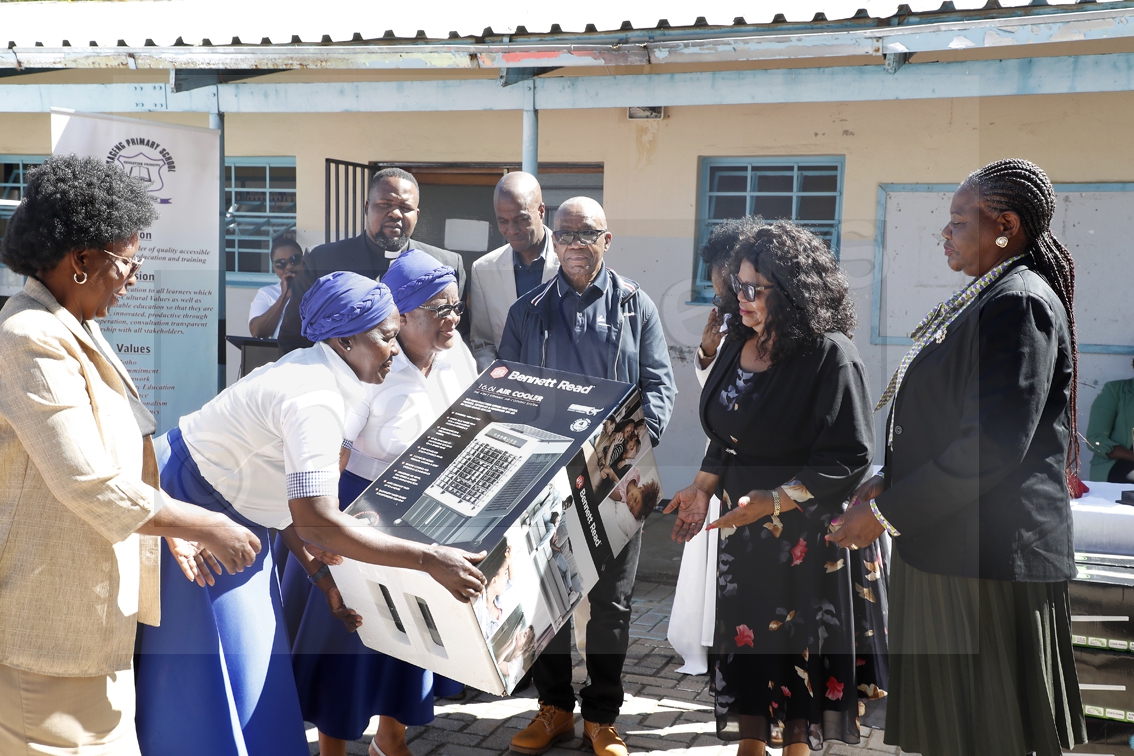
Donation boosts primary schools in Gaborone
07 May 2026