


Small babies big potential Mothers who lived by the beep of machines
26 Nov 2026
Before they learnt to hold their babies, they learnt to listen to machines.
Beep. Beep. Beep.
It is the sound mothers wake up to, pray to and draw hope from. For weeks, it becomes part of their lives.
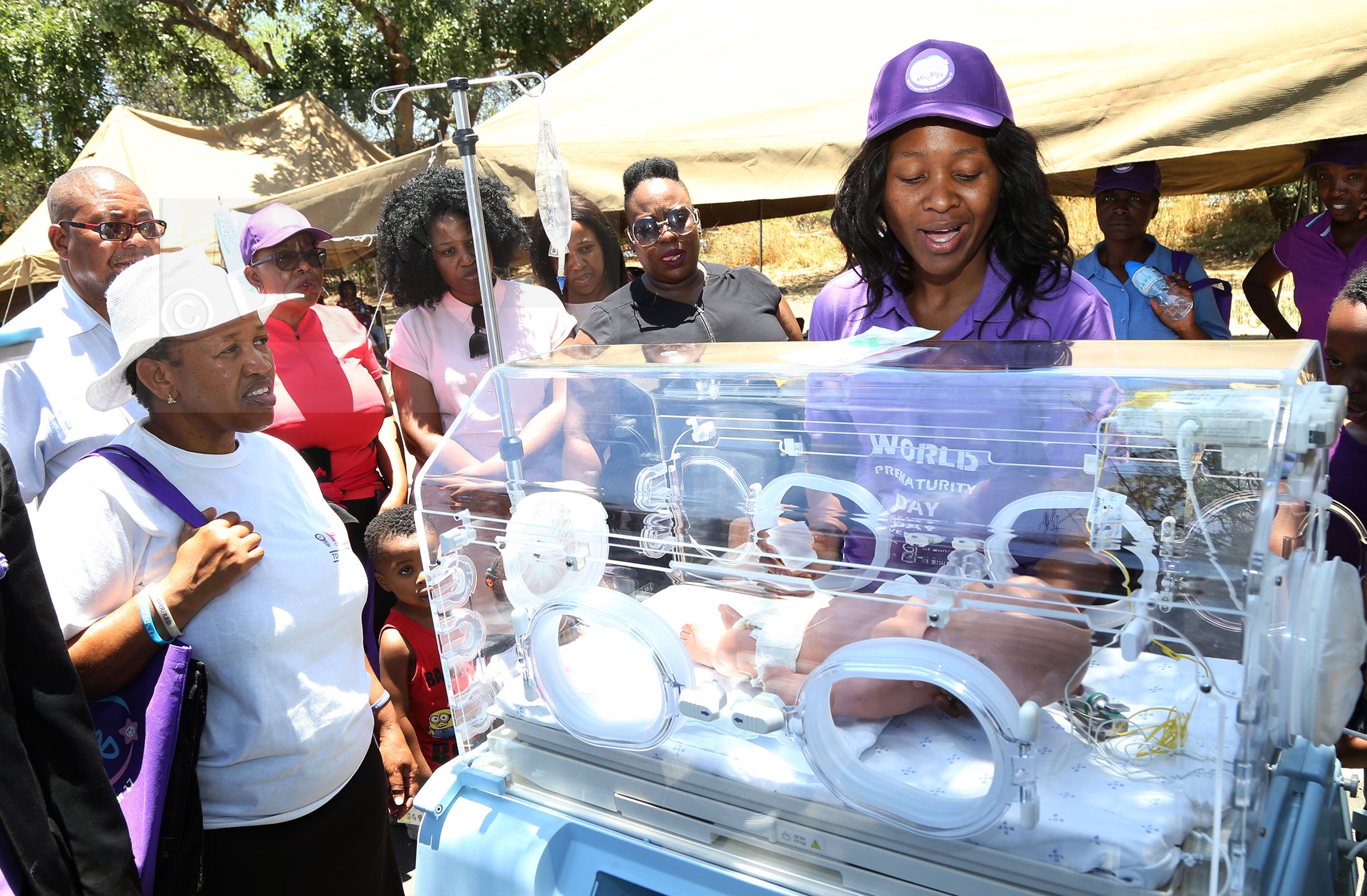
Recently, as the world and Nyangabgwe Hospital commemorated World Prematurity Day under the theme: Small Babies, Big Potential: Invest in Follow-up Care to Protect their Future, some mothers who had once watched their babies fight for survival returned, not as patients, but as testimonies of hope. They came back to say: We made it.
For Mr Fletcher Nkondo and his wife, Mrs Musonda, the journey began after nine years of waiting for a child. Their baby was born at 26 weeks, a development for which they were not prepared for.
“I had questions for God, but it was for a reason and a purpose. Our son is a gift from God,” Mrs Nkondo said.
Weighing just 900g at birth, their son was so tiny that he could fit in his father’s hands.
“He could fit in his father’s hands. I was afraid to hold him,” she recalled.
The experience was not easy, but it brought the Nkondos closer to God.
“You appreciate God more. You appreciate all the little things,” she said.
During their stay at the Special Care Baby Unit (SCBU), they also learnt the importance of support systems, both biological and spiritual.
“You need family a lot, biological and spiritual,” she said.
The couple said they continued to pray for mothers whose babies were still admitted to the unit and expressed gratitude to the healthcare workers who cared for their son.
“We appreciate the staff at SCBU. They are doing a great job and need to be appreciated for their daily challenging work,” Mrs Nkondo said.
Ms Jessica Sombikani knows that journey all too well. Her daughter weighed 946g at birth after being born at six months and spent three months in hospital.
During that time, she prayed, listened to the beeping machines and constantly spoke words of encouragement to her daughter.
“SCBU teaches you a lot of things. You celebrate small things. Ten grams was a win,” she said.
Her daughter faced several medical complications, including requiring blood transfusions. At one point, she went 10 days without feeding, but continued to fight for survival.
Although her daughter’s eventual discharge brought relief, going home presented a different kind of anxiety for Ms Sombikani.
After three months of relying on machines to monitor her baby’s condition, the sudden absence of those familiar sounds left her uncertain.
“Though, we eventually went home after three months, free from those machines, I was asking myself what would now alert me if the baby was fine, like those machines did, because they were monitoring everything,” she said.
It was a new fear that many mothers leaving the SCBU could relate to: learning to care for a vulnerable baby without the constant reassurance of hospital monitors.Ms Sombikani believed that surviving the journey requires prayer, a positive mindset and emotional strength.
“Speak life to the baby. You do not stop praying. It is a tough journey. When going to feed them, be happy, as the babies relate to your feelings,” she said.
Her message to other mothers was one of patience and encouragement.
“Do not compare your child with others. The journey is yours alone; it’s different. Have courage, mothers,” she urged.
Neonatal specialist at Nyangabgwe Hospital, Dr Emmanuel Mmutle explained that babies born prematurely required specialised care because their organs had not fully developed.
He therefore emphasised the importance of monitoring equipment in caring for premature babies, saying the machines were vital in detecting changes in their condition and alerting healthcare workers when intervention was needed.
“A child who is born before time, his organs are not yet ready. He has not finished being formed. The skin is still thin. The intestines do not yet know how to digest food properly. The immune system is not yet strong. Everything has not yet grown,” he said.
Dr Mmutle said the SCBU environment was designed to replicate conditions in the womb as closely as possible to support the babies’ development.
“We try to make it like it is in the womb. We look at temperature and humidity. Small children have thin skin and lose heat quickly. The child is mostly cold, fails to breathe and sugar is low,” he explained.
Premature babies are therefore nursed in incubators, while healthcare workers practise clustered care, limiting how often incubators are opened to allow the babies uninterrupted rest.
Light exposure is also carefully controlled because excessive light can interfere with their sleep.
“In the womb, there is not much light. If the light is too much, it disturbs the child’s sleep. We reduce the lights,” Dr Mmutle said.
Noise is another factor that healthcare workers must manage carefully, despite the monitoring alarms that have become familiar to mothers.
“They need a quiet environment so that they can grow well. Too much noise is not good for babies born before time. They can end up stopping breathing, or the heart beats too high or too low. Blood pressure goes up. The alarms help us to see what the child needs,” he said.
He added that healthcare workers were trained not to place mobile phones or other objects on incubators or tap on them, as such disturbances could affect the babies.
For the mothers who once lived by the beep of machines, and the babies who fought their way through those difficult days, the commemoration was more than an observance. It was a celebration of survival, resilience and hope. They made it.ENDS
Source : BOPA
Author : Kelebogile Taolo
Location : Francistown
Event : World Prematurity Day
Date : 26 Nov 2026
Related News
25 Nov 2026


25 Nov 2026
El Nino Affects Water Supply In Ghanzi


25 Nov 2026