


Govt considers new ways to create jobsButale
25 Nov 2026
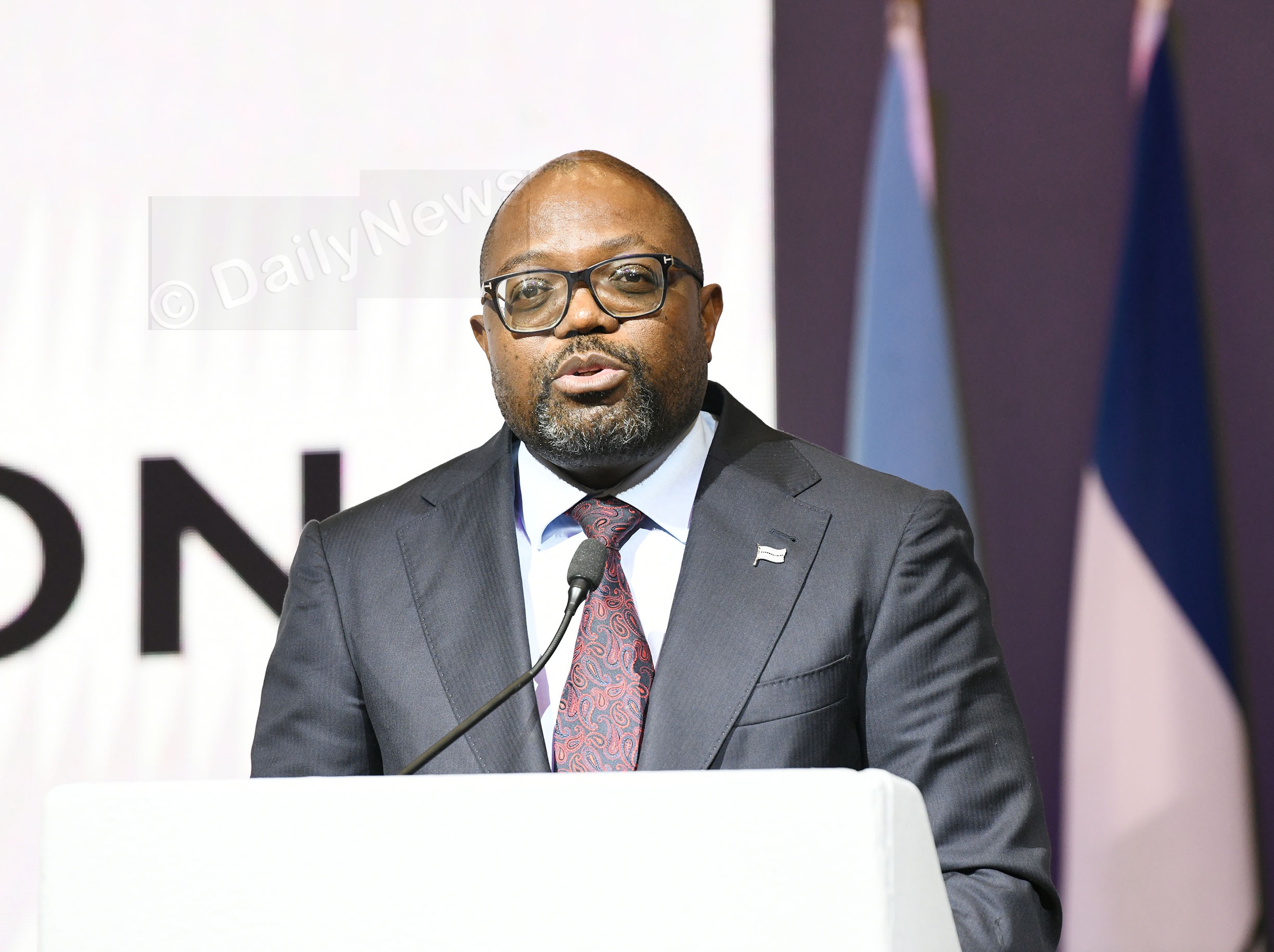
Government will abandon traditional approaches to investment and economic development in a bid to accelerate industrialisation and job creation, says Member of Parliament for Gaborone South and Minister for International Relations, Dr Phenyo Butale.
Dr Butale, said Botswana needed to change its attitude towards investors as it competed with other countries for investment.
He said investors seeking to establish businesses in Botswana often encountered barriers, unlike in neighbouring countries where governments offered incentives and expedited the establishment of factories.
He noted that competing countries had introduced attractive incentives to lure investors and streamlined processes to enable businesses to commence operations quickly.
In contrast, he said, Botswana had developed a culture of creating obstacles for investors through rigorous and cumbersome procedures, an approach that had undermined the country’s investment prospects.
“We are in a hurry to industrialise, we are in a hurry to create jobs,” he said, emphasising the need for swift action.
Dr Butale attributed the country’s failure to industrialise and diversify its economy over the years to such entrenched attitudes.
He said President Advocate Duma Boko had shifted the country’s foreign policy approach from traditional to strategic diplomacy, with greater emphasis on co-creation and co-investment. In this regard, he cited Botswana’s investment in the Lobito Refinery in Angola and another refinery in Ivory Coast, saying such ventures would open up new revenue streams for the country.
He added that the era of quick fixes that offered temporary relief was over, with government now pursuing sustainable reforms, although these might take time to address immediate challenges.
Dr Butale said government had inherited a liquidity crisis and had introduced measures to stabilise the economy, including centralisation of purchase orders, travel restrictions and overtime controls. On medicine shortages, he said the problem had deep historical roots, having been documented in 2008, 2017 and 2022 under the previous administration.
He noted that the challenge was not unique to Botswana, as Namibia and eSwatini were also experiencing similar shortages. He said local pharmaceutical manufacturing offered a sustainable solution and the country was already taking steps to do so. Meanwhile, Gaborone North MP and Assistant Minister of Communications and Innovation, Mr Shawn Ntlhaile, said government had inherited a difficult economic situation but had begun implementing measures to turn it around.
He said the turnaround process included enacting new laws and policies to establish a foundation for the country’s development trajectory.
Mr Ntlhaile said Botswana was building an economy anchored on digital transformation and technology.
He said his ministry was working to develop and strengthen digital skills and technology adoption among citizens.
He added that the ministry was introducing a national digital skills programme targeting young graduates to bridge the gap between academic qualifications and labour market requirements.
Other initiatives would cater for unemployed youth, government employees requiring information and communications technology skills, as well as members of the general public, to ensure inclusive participation in the digital economy.
He further said government was migrating some of its services to online platforms to improve accessibility and service delivery. ENDS
Source : BOPA
Author : Bonang Masolotate
Location : Gaborone
Event : Parliament
Date : 25 Nov 2026
Related News

25 Nov 2026
Green Book Under Review
25 Nov 2026
Govt to settle night-watchmen arrears
25 Nov 2026
National GBV fund not funded by government
25 Nov 2026