Partnerships key to climate resilient agriculture - Dr Nyanga
17 Nov 2026
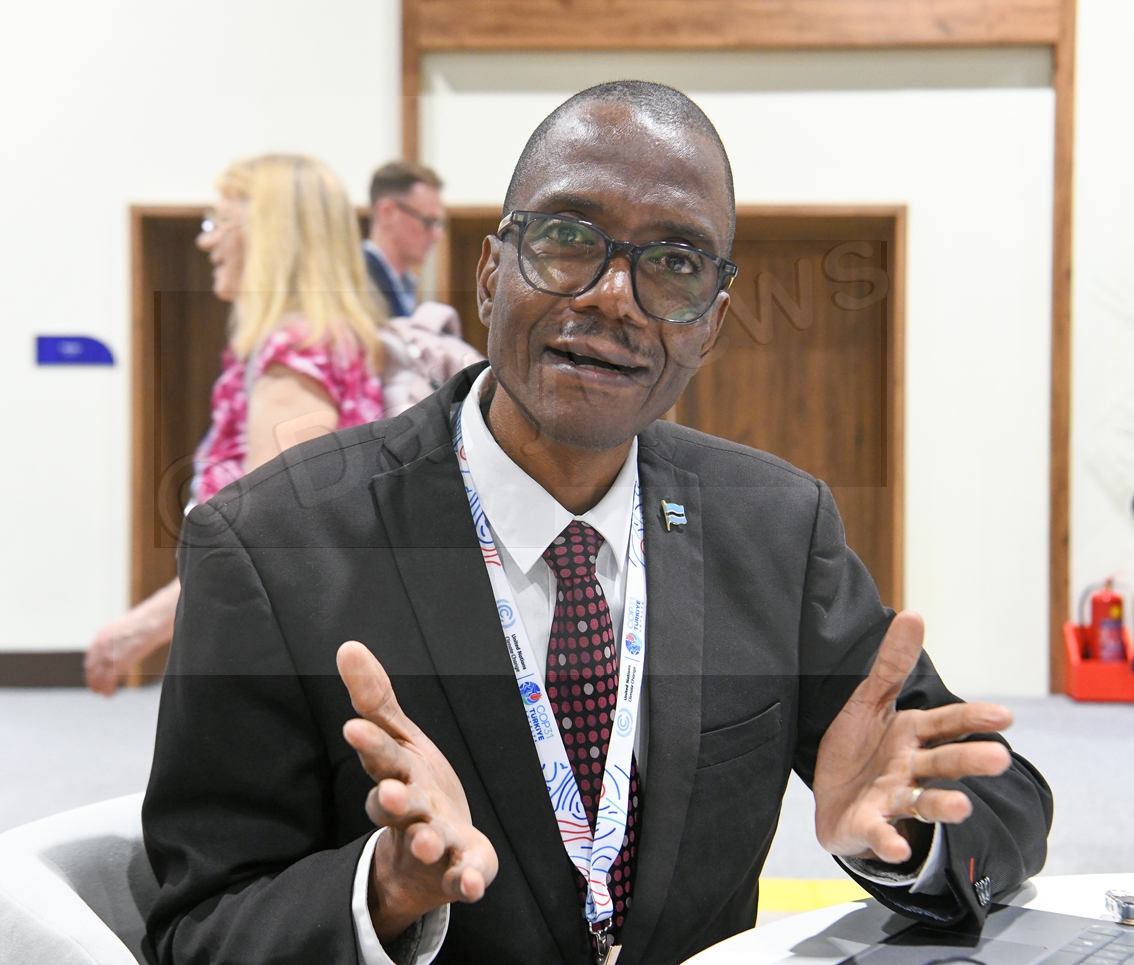
Strategic partnerships and collaboration are critical to building a resilient and sustainable agricultural sector in Botswana, Director of Partnerships in the Ministry of Lands and Agriculture, Dr Christopher Nyanga, has said.
In an interview as the 31st Conference of the Parties (COP31) concludes in Antalya, Türkiye, Dr Nyanga said the conference had reinforced the need for countries, governments and ministries to work together in addressing the far-reaching effects of climate change.
He said no country could successfully tackle the challenges of climate change in isolation, making cooperation among governments, multilateral institutions, the private sector, development partners, technology and innovation institutions, as well as financial institutions, essential.
“For Botswana, this means embracing innovative approaches to agricultural production, sharing knowledge and technologies, mobilising resources and learning from countries facing similar climate challenges,” he said.
Dr Nyanga cited the Kabela practice, which the ministry was pursuing in collaboration with private-sector partners, as an example of the innovative agricultural approaches needed to help farmers adapt to changing climatic conditions, improve productivity and build resilience.
He said the priority following COP31 was to sustain the momentum generated at the conference and translate engagements into tangible programmes and interventions on the ground.
The ministry is therefore extending an invitation to existing and prospective partners to collaborate on projects and initiatives that could cushion pastoral and arable farmers against the harsh effects of climate change, particularly the ongoing El Niño conditions.
Dr Nyanga said strengthening existing partnerships and forging new strategic alliances would help Botswana navigate the challenging period more effectively and build a stronger and more resilient agricultural sector.
“No one can defeat the effects of climate change alone, our collective strength lies in working together towards a common goal,” he said.
He said such efforts were essential to advancing aspirations for food sovereignty and food security, in line with National Development Plan 12 (NDP 12) and the country’s broader economic transformation objectives.
Dr Nyanga said agriculture was one of the critical sectors upon which Botswana’s economic diversification and transformation ambitions depended.
Statistics Botswana’s 2025 annual figures showed that agriculture, forestry and fishing contributed 1.8 per cent to the country’s Gross Domestic Product (GDP), underlining the sector’s position in the national economy.
He said as Botswana pursued economic and export diversification away from minerals, created more employment opportunities and stimulated rural economic development, agriculture had to take its rightful place as a key driver of growth.
Through strategic partnerships and collaborations, Dr Nyanga said Botswana had an opportunity to revitalise the agricultural sector and transition more farmers from subsistence to commercial farming despite increasingly unpredictable weather conditions.
He emphasised that climate change should not be a reason to retreat from agriculture, but rather a compelling reason to innovate, adapt and build resilience with greater urgency and determination.
Dr Nyanga said the country’s ability to forge meaningful partnerships, embrace innovation and equip farmers to withstand climatic shocks, would be central to unlocking the agricultural sector’s full potential and securing a more diversified, inclusive and sustainable economy for Botswana. ENDS
Source : BOPA
Author : Ndingililo Gaoswediwe
Location : ANTALYA
Event : COP31
Date : 17 Nov 2026
Related News


17 Nov 2026
Withdrawal of cases worries Police