


Procurement must drive economic diversification
12 Nov 2026
Government procurement must become one of the instruments driving economic diversification, supported by deliberate intentions of identifying products that could be competitively manufactured locally as well as creating opportunities for producers to participate in.
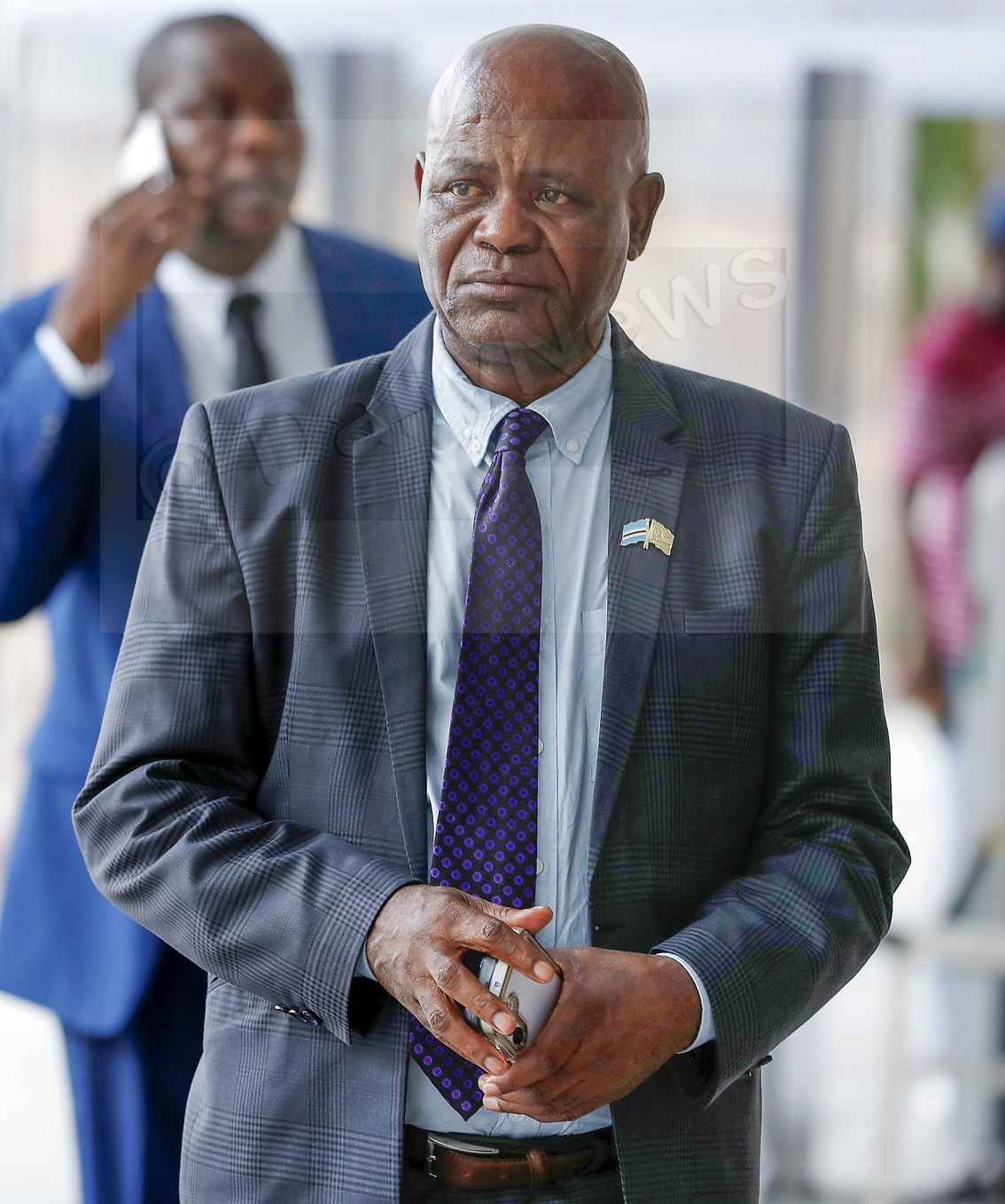
Member of Parliament for Francistown East, Mr Tiroeaone Ntsima expressed the sentiments when contributing to the State-of-the-Nation Address debate on Wednesday.
Mr Ntsima said government could not continue encouraging local manufacturing while much was not done to create market opportunities for locally produced goods.
He said when government purchased locally manufactured products it was not merely buying goods but supporting manufacturers and other downstream economic activities.
“The manufacturer employs workers, those workers support families, those families spend money in local businesses and the economic value circulates through our communities,” he said. Mr Ntsima, who is also the Minister of Trade and Entrepreneurship, however, cautioned that this should not be interpreted as a call to abandon competition, quality or value for money.
He also called for timely payment of suppliers, saying delayed payments on government contracts could destroy the very businesses government intended to support.
He said government needed to move from simply administering trade to transforming it, from regulating enterprises to enabling their growth, and from counting registered businesses to supporting those that produced, employed and exported.
He added that Botswana should take advantage of the African Continental Free Trade Area (AfCFTA) rather than speaking only about the initiative.
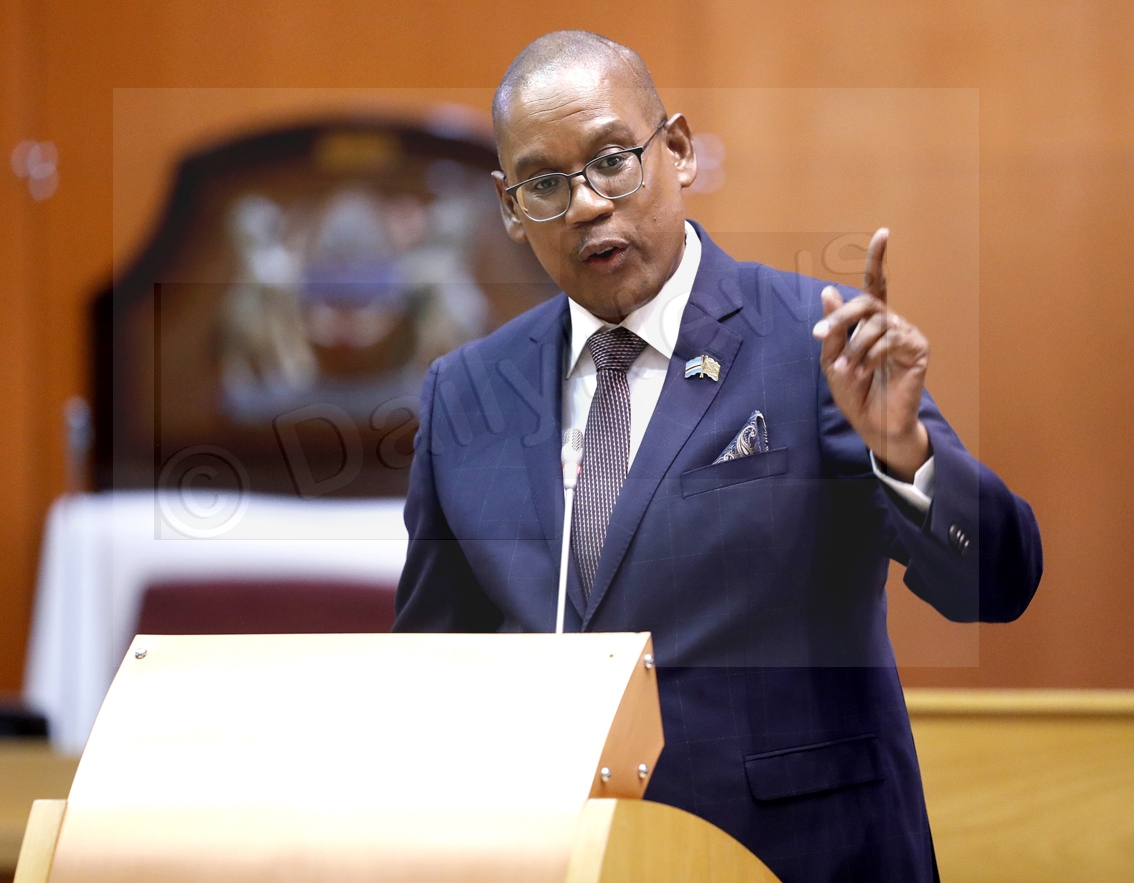
Meanwhile, Lobatse MP, Mr Kamal Jacobs, said central to President Advocate Duma Boko’s message was that Botswana must move beyond an economy heavily dependent on diamonds toward a diversified, digitally enabled, export-led and high-income economy. For decades, he said, diamonds had been the backbone of the economy, but the current global economic environment had reminded the nation that no country could afford to place its entire economic future in one sector. “The time has come for Botswana to unlock the full potential of its people, its natural resources, its institutions, and its productive capacity,” he said.
Mr Jacobs welcomed government’s focus on productive diversification, infrastructure development, industrialisation and strengthening local manufacturing. He also described the establishment of the Diamonds for Development Fund as an important and further welcomed the announcement that Botswana’s shareholding in De Beers would increase from 15 per cent to 30 per cent, making the country the single largest shareholder upon completion of the transaction. Turning to developments in his constituency, Mr Jacobs said the Milk Valley Farm project was encouraging.
He said the importation of 600 Girolando dairy cattle from Brazil, bringing the total herd to 874 as at September 30, represented an investment in Botswana’s agricultural future.
He said the projected production capacity of approximately 15 million litres of milk annually, with the potential to meet up to 23 per cent of national milk demand, demonstrated opportunities in the agricultural sector.
On youth employment and economic empowerment, Mr Jacobs observed that although young people were talented, ambitious and full of potential, many lacked opportunities to translate their abilities into meaningful economic participation.
He welcomed the restructuring of the Youth Development Fund to accommodate businesses at different stages of development. ENDS
Source : BOPA
Author : BOPA
Location : Gaborone
Event : Parliament
Date : 12 Nov 2026
Related News

12 Nov 2026

12 Nov 2026
CMS storage capacity adequate

11 Nov 2026